The cervical collar, a seemingly simple medical device, plays a crucial role in stabilizing and protecting the neck following trauma or surgery. Its global relevance stems from the unfortunately common occurrence of injuries resulting from accidents, sports, and falls. Effective cervical immobilization is paramount in preventing further neurological damage and facilitating recovery. Understanding the various types, applications, and advancements in cervical collar technology is essential for healthcare professionals, emergency responders, and even individuals involved in contact sports.
The demand for high-quality cervical collars is consistently high, driven by increasing accident rates and an aging global population prone to vertebral fractures. According to the World Health Organization, road traffic accidents are a leading cause of death and disability worldwide, many resulting in cervical spine injuries. This necessitates readily available and reliable immobilization solutions. Beyond emergency care, cervical collars are also vital components of post-operative care, assisting in the healing process after spinal procedures.
The ongoing innovation in materials and design focuses on improving patient comfort, efficacy of immobilization, and ease of application. From traditional rigid collars to more modern, adjustable, and flexible designs, the evolution of the cervical collar reflects a commitment to optimizing patient outcomes and minimizing complications. This dedication to advancement is vital in a field where even minor improvements can significantly impact recovery.

Defining the Functionality of cervical collar

A cervical collar is a medical device used to support and stabilize the neck and head. Its primary function is to limit motion in the cervical spine, preventing further injury and providing a more comfortable healing environment. Different types of collars offer varying degrees of immobilization, ranging from soft collars providing minimal support to rigid collars offering maximum restriction of movement.
The application of a cervical collar is critical in cases of suspected or confirmed cervical spine injury, including fractures, dislocations, and soft tissue damage. They are commonly used in emergency settings, post-surgical care, and the management of conditions like cervical spondylosis and whiplash. Proper fitting and application are essential to ensure effectiveness and prevent complications.
FAQS
A rigid cervical collar offers maximum immobilization, severely limiting neck movement and providing robust support following significant trauma or surgery. Soft collars provide minimal support, allowing for some range of motion while offering gentle stabilization for milder injuries like muscle strains or whiplash. The choice depends on the severity of the injury and the treatment goals.
The duration of cervical collar use varies significantly depending on the type and severity of the injury. Generally, collars are worn for a period ranging from a few days to several weeks. The decision to discontinue collar use is made by a healthcare professional based on clinical assessment, imaging studies, and the patient’s symptom progression. Prolonged use can lead to muscle weakness.
Common complications include skin breakdown, pressure sores, muscle weakness, and discomfort. Proper collar fitting, regular skin checks, and adherence to a prescribed exercise program can help minimize these risks. Patients should report any signs of skin irritation or neurological symptoms to their healthcare provider.
Driving while wearing a cervical collar is generally not recommended, especially if the collar restricts neck movement or vision. It can impair your ability to safely control the vehicle and respond to unexpected situations. Consult with your healthcare provider for specific guidance based on your injury and the type of collar you are using.
Cleaning instructions vary depending on the collar material. Generally, soft collars can be hand-washed with mild soap and water. Rigid collars typically require wiping down with a damp cloth. Avoid harsh chemicals or abrasive cleaners. Regularly inspect the collar for signs of wear and tear, and replace it if damaged.
Signs of an improper fit include excessive pressure points, difficulty breathing, restricted vision, and inadequate immobilization. The collar should fit snugly but comfortably, without causing pain or discomfort. If you experience any of these issues, consult with your healthcare provider to ensure proper fitting and adjustment.
Conclusion
In conclusion, the cervical collar remains a cornerstone of care in managing cervical spine injuries and supporting neck stability. Its global significance is undeniable, driven by the prevalence of trauma and degenerative conditions. Continuous innovation in materials, design, and technology is essential for optimizing patient comfort, improving clinical outcomes, and addressing evolving healthcare needs. From initial immobilization to facilitating long-term recovery, the collar plays a crucial role in restoring function and enhancing quality of life.
Looking ahead, a focus on personalized solutions, incorporating smart technologies, and addressing the challenges of accessibility and affordability will be paramount. Continued research and collaboration between clinicians, engineers, and manufacturers will pave the way for the next generation of cervical collars, offering even greater levels of protection, comfort, and effectiveness. For more information and to explore the latest advancements in cervical spine care, visit our website: www.jhorthopedic.com
Related Posts
-
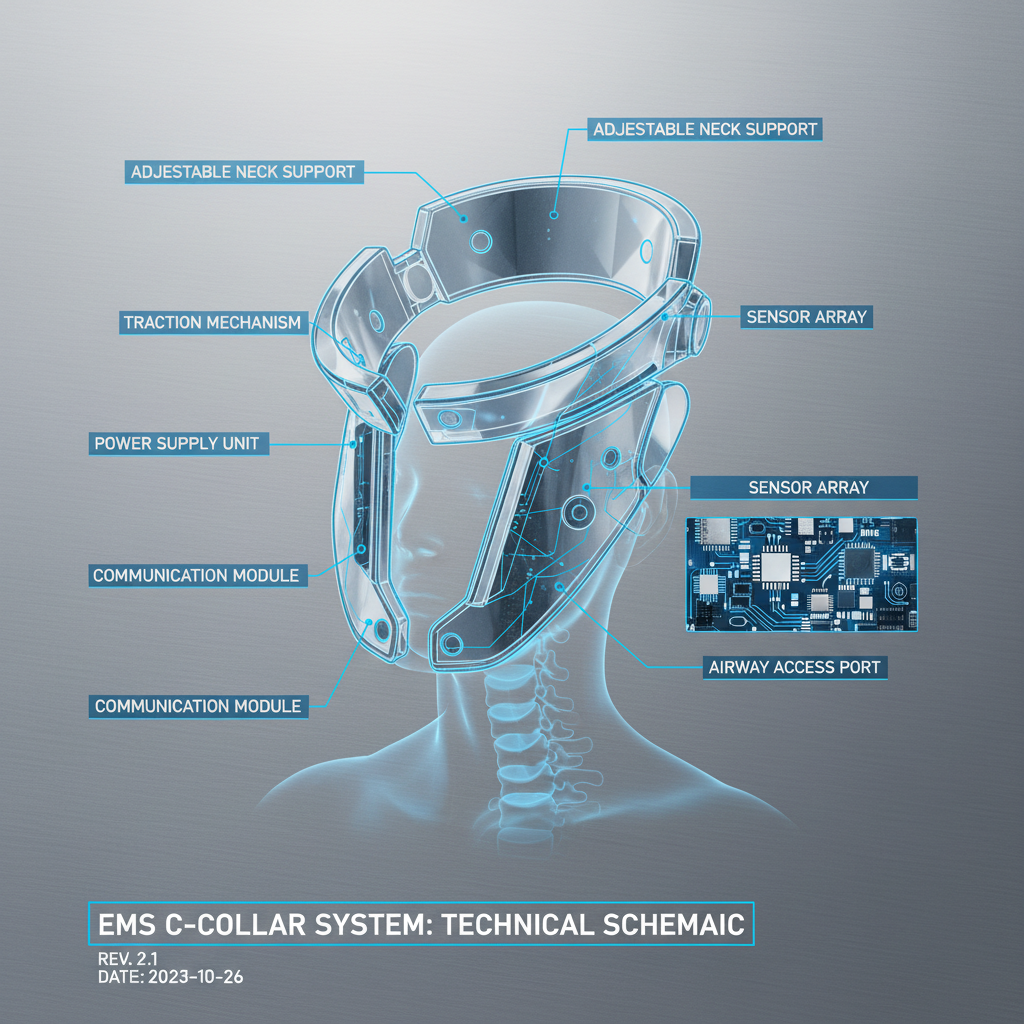
Advancements in C Collar EMS Protocols for Enhanced Emergency Care
-
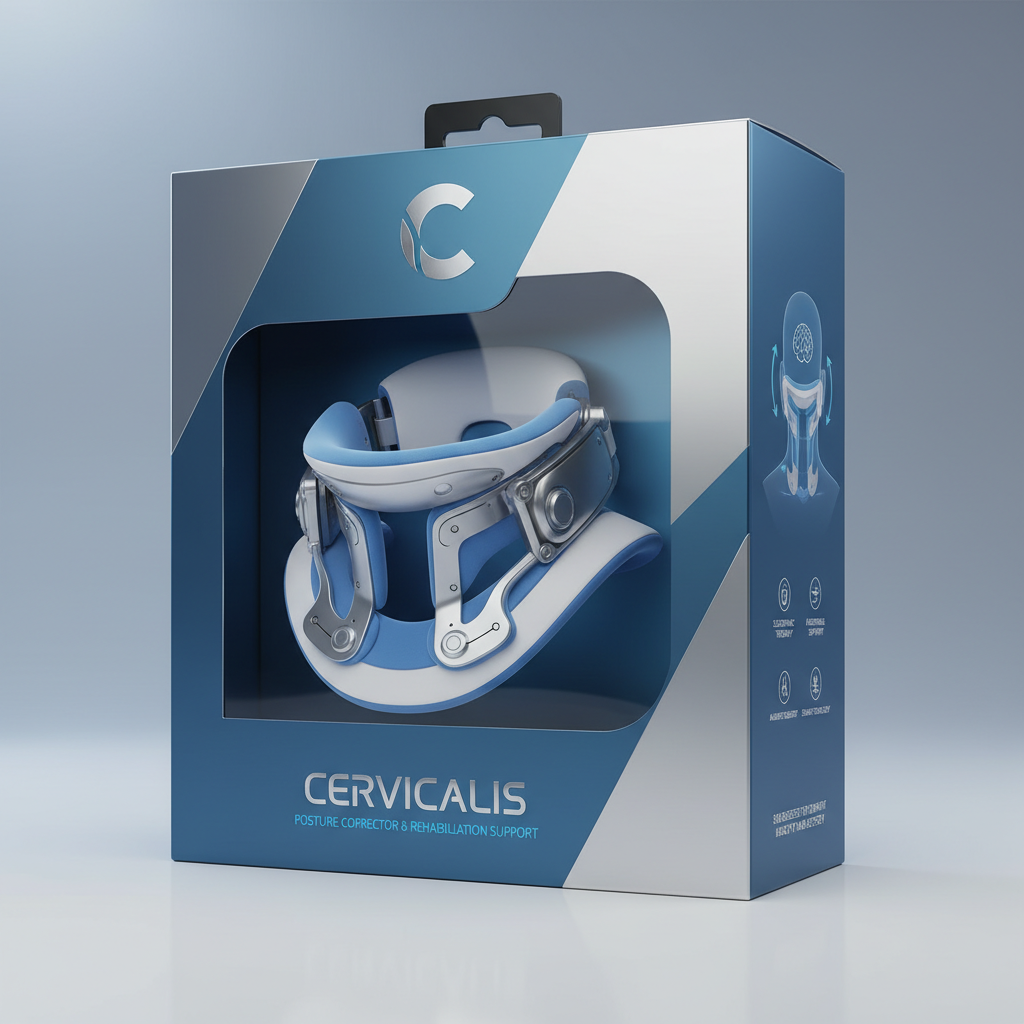
Understanding the Critical Role of the Orthopedic Neck Collar in Spine Stabilization
-

Understanding the Critical Role of the Orthopedic Collar for Neck in Modern Healthcare
-

Comprehensive Guide on How to Use Shoulder Support for Effective Recovery