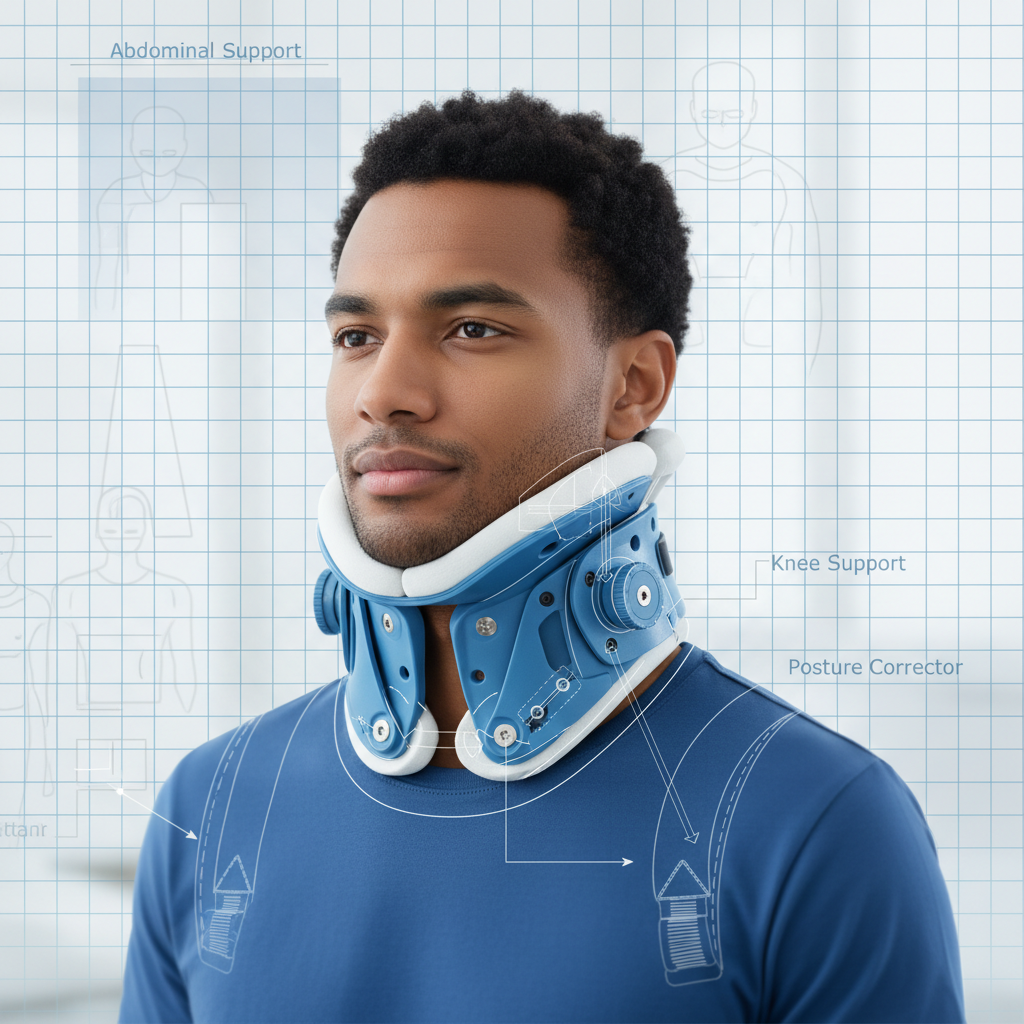
Arm slings, seemingly simple devices, play a crucial role in orthopedic care and injury management globally. Understanding the different types of arm sling available – from basic cloth slings to sophisticated, adjustable models – is paramount for healthcare professionals, patients, and caregivers alike. These devices are essential for immobilizing the upper limb, facilitating healing, and preventing further injury after fractures, dislocations, surgeries, or soft tissue trauma. The global demand for effective and comfortable arm slings is consistently high, driven by increasing accident rates, an aging population, and advancements in surgical techniques.
The significance of appropriate arm sling selection extends beyond mere immobilization. A poorly fitted or inadequate sling can impede the healing process, cause discomfort, and even lead to complications like pressure sores or nerve compression. The global market for orthopedic supports and braces, which includes arm slings, is experiencing steady growth, reflecting a rising awareness of the importance of post-injury care and rehabilitation. According to a report by Grand View Research, the global orthopedic braces and supports market size was valued at USD 16.79 billion in 2022 and is projected to reach USD 27.93 billion by 2030, highlighting the substantial need for these products.
Ultimately, knowledge of the various types of arm sling empowers healthcare providers to make informed decisions, optimize patient outcomes, and contribute to a more efficient and effective healthcare system. This understanding also enables patients to actively participate in their own recovery journey, ensuring they receive the support and comfort they need during a vulnerable time.
Introduction to Types of Arm Sling
The world of arm slings is far more diverse than many realize. Different types of arm sling cater to specific injury types, patient needs, and activity levels. From simple triangular bandages to more complex designs incorporating adjustable straps and breathable materials, the options are numerous. The selection process often hinges on factors such as the severity of the injury, the patient’s age and mobility, and the desired level of support and immobilization.
Understanding the nuances of each type is crucial for providing optimal care and promoting successful recovery. This exploration will delve into the most common categories of arm slings, outlining their features, benefits, and ideal applications.
Defining Types of Arm Sling
At its core, an arm sling is a device used to support and immobilize an injured arm, typically after a fracture, dislocation, or surgery. It works by holding the arm in a fixed position, minimizing movement and allowing the tissues to heal. However, the term "types of arm sling" encompasses a wide spectrum of designs, ranging from rudimentary field dressings to sophisticated orthopedic appliances. The primary function remains the same – stabilization – but the materials, construction, and features vary significantly.
In modern healthcare, arm slings are not merely temporary fixes but integral components of a comprehensive rehabilitation plan. They are used not only in acute injury management but also in post-operative care, chronic pain management, and even preventative measures for athletes. The definition extends beyond simply ‘holding the arm still’ to encompass features like compression, adjustability, and comfort.
Essentially, a well-chosen arm sling serves as an external support structure, mirroring the role of ligaments and muscles while they recover, allowing for controlled movement when appropriate and preventing re-injury during the healing process.
Core Components of Arm Slings
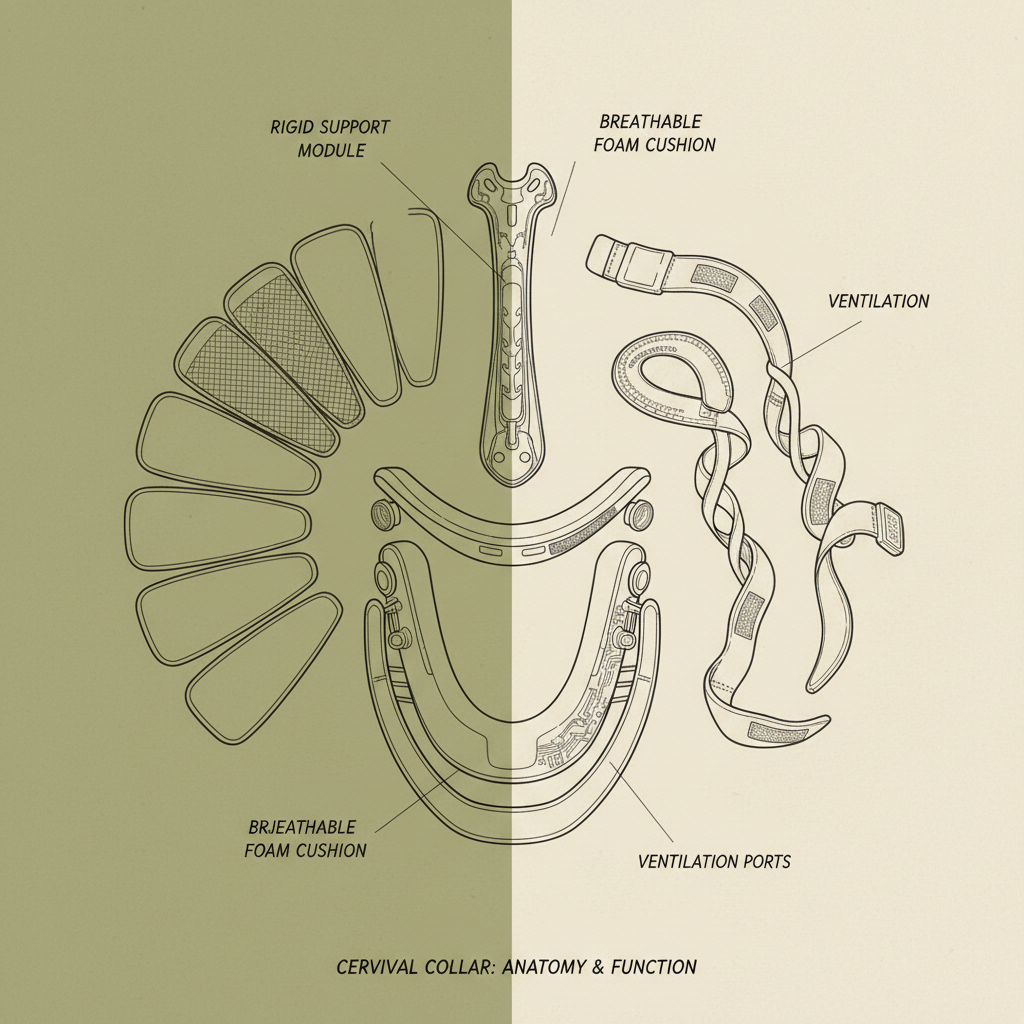
Several key aspects determine the effectiveness and suitability of different types of arm sling. Durability is paramount, as slings often endure significant wear and tear, particularly with active patients. Materials should be robust enough to withstand repeated use and cleaning without losing their supportive properties. Breathability is equally important, preventing discomfort and skin irritation caused by sweat and moisture buildup.
Adjustability is another critical factor. Slings should be customizable to accommodate varying arm sizes and body types, ensuring a secure and comfortable fit. The ability to modify the angle of support is also essential for tailoring the immobilization level to the specific injury and healing stage. Features such as adjustable straps, buckles, and padding contribute significantly to optimal fit and comfort.
Finally, ease of application and removal is a practical consideration. Healthcare providers and patients alike benefit from slings that are simple to put on and take off, reducing the risk of further injury during the process. Weight and bulk are also factors, as a heavy or cumbersome sling can be inconvenient and uncomfortable for the patient.
Global Applications and Use Cases
The applications of types of arm sling are incredibly diverse, spanning various healthcare settings and geographic regions. In emergency medicine, basic triangular slings are frequently used for initial immobilization of suspected fractures before professional medical attention is available. In post-disaster relief operations, these simple slings are invaluable for providing immediate support to injured individuals in resource-limited environments.
In developed countries, hospitals and orthopedic clinics utilize a wider range of arm slings, including adjustable shoulder immobilizers and specialized slings designed for specific injuries, such as rotator cuff tears or humeral fractures. Sports medicine facilities rely heavily on slings for post-surgical rehabilitation and injury prevention.
Furthermore, in remote industrial zones where access to healthcare is limited, readily available and easy-to-use arm slings are critical for managing workplace injuries. The need for readily available and affordable slings is particularly acute in low-income countries, where access to advanced medical care may be limited.
Arm Sling Effectiveness Comparison
Advantages and Long-Term Value
The benefits of utilizing appropriate types of arm sling extend far beyond immediate pain relief. A properly fitted sling can significantly accelerate the healing process by providing consistent immobilization and reducing stress on the injured tissues. This translates to faster recovery times and a quicker return to normal activities. From a cost perspective, preventing complications through adequate support can significantly reduce healthcare expenses associated with prolonged treatment or revision surgeries.
Furthermore, utilizing high-quality, comfortable slings enhances patient compliance. When patients are comfortable and experience reduced pain, they are more likely to adhere to their prescribed treatment plan, leading to better overall outcomes. There is also a significant emotional component. Providing a supportive and well-designed sling can instill confidence in patients, empowering them to manage their injury and actively participate in their rehabilitation.
Future Trends and Innovations
The field of arm sling technology is constantly evolving, driven by advancements in materials science and biomechanics. Future trends include the development of “smart” slings equipped with sensors to monitor pressure, temperature, and range of motion, providing valuable data to healthcare professionals. These smart slings can also provide biofeedback to patients, guiding them through appropriate rehabilitation exercises.
Another area of innovation is the use of 3D printing to create custom-fit slings tailored to the unique anatomy of each patient. This personalized approach can optimize comfort, support, and healing outcomes. Sustainability is also becoming a key focus, with manufacturers exploring the use of eco-friendly materials and recyclable components in their products.
Challenges and Solutions
Despite advancements in design and materials, several challenges remain in the realm of types of arm sling. One common issue is achieving a consistently accurate and comfortable fit, particularly for patients with diverse body types. Another challenge is addressing skin irritation and pressure sores, especially during prolonged use.
Potential solutions include the development of more sophisticated sizing systems and adjustable features, as well as the incorporation of breathable, hypoallergenic materials. Education for both healthcare professionals and patients on proper sling application and care is also crucial. Furthermore, research into innovative materials and designs that minimize pressure points and maximize ventilation can help address these challenges.
Finally, greater emphasis on user-centered design, incorporating feedback from patients and clinicians, can lead to the creation of more effective and comfortable arm slings that truly meet the needs of those who rely on them.
Arm Sling Comparison Table
| Sling Type |
Immobilization Level |
Comfort & Breathability |
Cost (1-10) |
| Triangular Sling |
Low |
Moderate |
1 |
| Shoulder Immobilizer |
High |
Good |
6 |
| Sling with Pillow |
Moderate |
Excellent |
5 |
| Adjustable Arm Sling |
Variable |
Good |
7 |
| Rotating Humerus Fracture Sling |
High |
Moderate |
8 |
| Neoprene Sling |
Moderate |
Good |
6 |
FAQS
A triangular sling is a basic, general-purpose support typically made from a single piece of fabric, offering limited immobilization. A shoulder immobilizer, however, provides more comprehensive support with adjustable straps and a contoured design, restricting a wider range of motion and offering more secure stabilization. Shoulder immobilizers are generally preferred for more serious injuries or post-operative care.
You should check and adjust the straps on your arm sling several times a day, especially during the first few days of use. The straps should be snug enough to provide adequate support without constricting circulation or causing discomfort. As swelling subsides, you may need to readjust the straps to maintain a proper fit. If you experience numbness, tingling, or increased pain, loosen the straps immediately and consult with your healthcare provider.
Whether or not you can wash your arm sling depends on the material it's made from. Many slings are machine washable on a gentle cycle with cold water. However, some may require hand washing. Always check the manufacturer’s instructions on the label. Avoid using harsh detergents or bleach, and allow the sling to air dry completely before use.
If your arm sling is causing skin irritation, first ensure the sling is not too tight. Loosen the straps slightly. If the irritation persists, try wearing a thin, breathable undershirt beneath the sling to create a barrier between the fabric and your skin. If you develop a rash or significant discomfort, discontinue use and consult with your healthcare provider. Hypoallergenic slings are also available.
The duration of arm sling use varies significantly depending on the nature and severity of the injury. Generally, slings are worn for several weeks to months following a fracture, dislocation, or surgery. Your healthcare provider will provide specific instructions on when to discontinue sling use based on your individual progress and healing status. It’s crucial to follow their guidance to avoid re-injury.
Yes, there are. Different types of arm sling are designed for specific injuries. For example, a rotator cuff repair might require a sling that provides specific external rotation, while a humeral fracture sling offers more comprehensive immobilization. Your orthopedic surgeon will prescribe the most appropriate sling based on the specific diagnosis and surgical procedure. Consulting with a healthcare professional is crucial for proper selection.
Conclusion
In conclusion, understanding the diverse landscape of types of arm sling is essential for optimizing patient care, accelerating healing, and improving overall quality of life. From the basic triangular bandage to the sophisticated adjustable immobilizers, each type serves a unique purpose in supporting and protecting injured limbs. The selection of the appropriate sling, coupled with proper application and patient education, significantly contributes to successful rehabilitation.
Looking ahead, continued innovation in materials, design, and technology promises to further enhance the effectiveness and comfort of arm slings. The integration of smart technologies and personalized customization will likely become increasingly prevalent, offering tailored solutions for individual patient needs. To learn more about the right arm sling for your specific needs, or to explore the range of options available, visit our website at www.jhorthopedic.com.