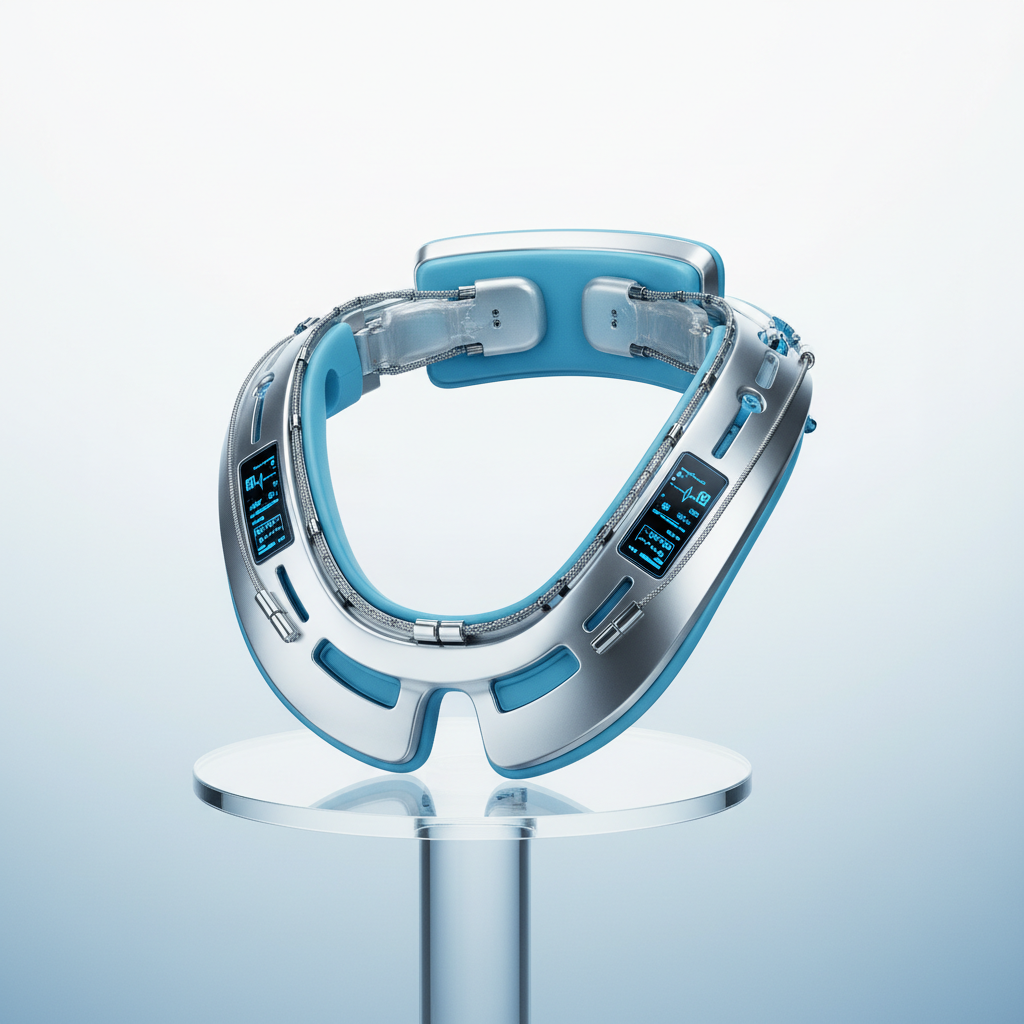
The demand for effective and comfortable neck support is globally significant, driven by factors ranging from workplace ergonomics and sports injuries to age-related conditions and post-operative care. A flexible neck brace addresses this need by providing a dynamic and adaptable solution, offering both immobilization and a degree of natural movement crucial for healing and comfort. This is particularly important in countries with aging populations or a high prevalence of physically demanding jobs.
The increasing awareness of preventative healthcare and the rising costs associated with chronic neck pain contribute to the growing market for neck braces. Furthermore, innovations in materials and design are leading to more effective and user-friendly products. The affordability and accessibility of a flexible neck brace make it a viable option for a wide range of individuals, even in resource-constrained settings. The UN Sustainable Development Goal 3 (Good Health and Well-being) indirectly benefits from the availability of such assistive devices.
Understanding the benefits of a flexible neck brace—improved posture, pain relief, accelerated recovery, and enhanced quality of life—is paramount for healthcare professionals, patients, and individuals seeking preventative measures. Choosing the right brace depends on the specific condition and individual needs, making informed decision-making essential.
The Relevance of Flexible Neck Braces Globally
Neck pain affects millions worldwide, stemming from a variety of causes including poor posture, repetitive strain, accidents, and degenerative conditions. The World Health Organization estimates that musculoskeletal conditions, including neck pain, are a leading cause of disability globally. This widespread prevalence creates a significant need for effective solutions like the flexible neck brace.
Globally, industries like construction, manufacturing, and office work contribute significantly to neck-related injuries. Furthermore, the aging population experiences increased rates of cervical spondylosis and other conditions requiring neck support. A readily available and adaptable flexible neck brace can play a crucial role in preventing further injury and promoting recovery across diverse demographics and occupational groups.
Defining a Flexible Neck Brace
A flexible neck brace is a medical device designed to support the neck and limit its range of motion. Unlike rigid braces, flexible braces incorporate materials and designs that allow for a degree of natural movement while still providing stability. This flexibility is essential for promoting blood flow, preventing muscle atrophy, and facilitating a more comfortable healing process.
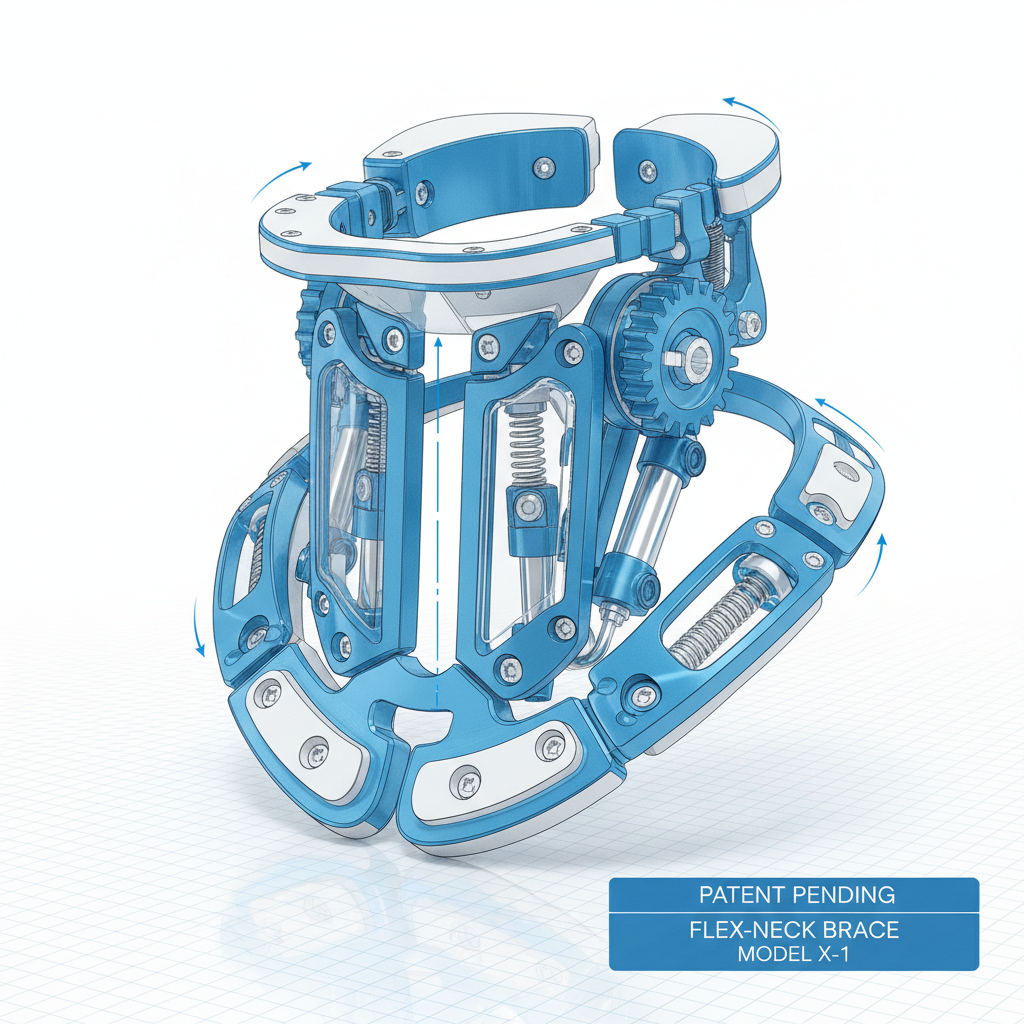
These braces typically consist of a supportive frame constructed from materials like plastic, metal, or a combination of both, covered with soft padding for comfort. Adjustable straps and closures allow for a customized fit, ensuring optimal support and immobilization. The design varies depending on the intended use, ranging from simple soft collars to more complex braces with adjustable support levels.
The modern flexible neck brace represents a significant advancement in orthopedic care, bridging the gap between complete immobilization and unrestricted movement. It addresses the needs of patients recovering from injuries, those managing chronic pain, and individuals seeking preventative support, connecting directly to modern healthcare practices and patient wellbeing.
Key Components of Effective Flexible Neck Braces
Material Quality: The materials used in a flexible neck brace directly impact its comfort, durability, and effectiveness. High-quality, breathable materials like neoprene or foam are essential for preventing skin irritation and ensuring long-lasting support. Robust frame materials ensure the brace maintains its shape and structural integrity over time.
Adjustability: A key feature of an effective brace is its adjustability. Straps and closures should be easily adjustable to accommodate different neck sizes and shapes. This customizability ensures a secure and comfortable fit, optimizing support and preventing slippage. The ability to fine-tune the level of restriction is also crucial, allowing for progressive rehabilitation.
Ergonomic Design: The brace’s design must conform to the natural contours of the neck, providing support without causing undue pressure or discomfort. Ergonomic features, such as a contoured shape and strategically placed padding, promote proper alignment and minimize the risk of skin breakdown.
Applications and Use Cases Worldwide
Flexible neck braces are widely used in a variety of settings. In sports medicine, they are employed to stabilize the neck following concussions or whiplash injuries. Post-operative care following neck surgeries relies heavily on these braces to provide support during the healing process.
In post-disaster relief operations, flexible neck braces can be invaluable for supporting individuals with neck injuries sustained during earthquakes, floods, or other traumatic events. In remote industrial zones, where access to advanced medical care may be limited, these braces provide a crucial first line of defense against neck strain and injury.
Furthermore, many individuals utilize flexible neck braces proactively to alleviate chronic neck pain caused by poor posture or prolonged computer use. Organizations promoting workplace ergonomics often recommend these braces as a preventative measure for employees in sedentary occupations, contributing to increased productivity and reduced healthcare costs.
Effectiveness of Flexible Neck Brace Methods
Advantages and Long-Term Value Proposition
The primary advantage of a flexible neck brace lies in its ability to provide support and stability without completely restricting movement. This allows for continued muscle function and reduces the risk of stiffness and atrophy. Furthermore, the enhanced comfort compared to rigid braces promotes better patient compliance and adherence to treatment plans.
From a long-term perspective, proactive use of a flexible neck brace can prevent chronic pain and disability, reducing healthcare costs and improving quality of life. The psychological benefit of feeling supported and protected can also contribute to a faster and more complete recovery. The innovation behind these braces builds trust in modern orthopedic solutions.
Future Trends and Innovation in Neck Brace Technology
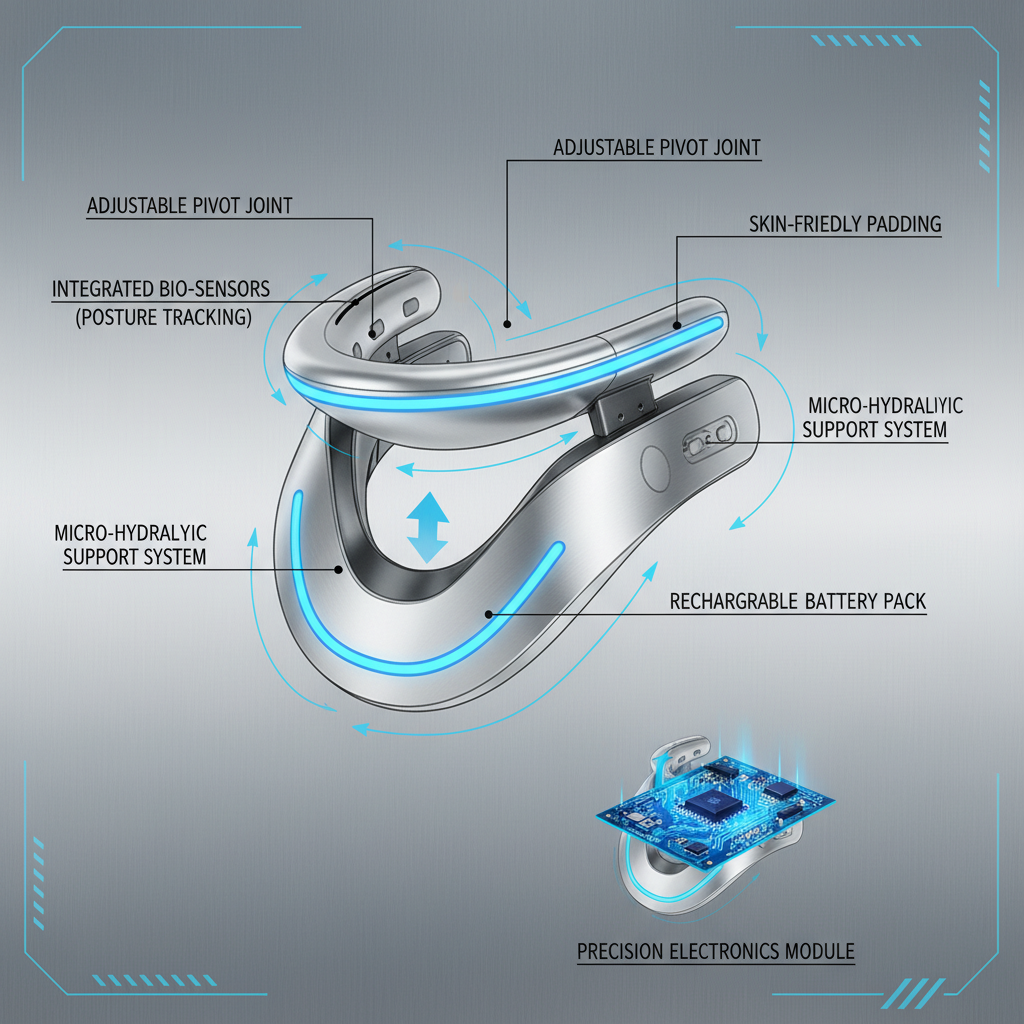
The future of flexible neck brace technology is focused on incorporating smart materials and advanced sensors. Braces with integrated sensors could monitor neck movement, muscle activity, and pressure distribution, providing valuable data for rehabilitation and personalized treatment plans.
3D printing is also poised to revolutionize brace design, allowing for customized braces tailored to the unique anatomy of each patient. Biocompatible and biodegradable materials are being explored to enhance comfort, reduce environmental impact, and promote long-term sustainability. Digital transformation and automation will streamline the manufacturing process and lower production costs.
Challenges and Solutions in Flexible Neck Brace Implementation
One of the main challenges is ensuring proper fit and usage. Incorrectly fitted braces can be ineffective or even cause further injury. Therefore, comprehensive patient education and training are essential. Telehealth solutions can provide remote guidance and support, addressing accessibility barriers.
Another challenge is the potential for skin irritation and discomfort, particularly during prolonged use. Developing hypoallergenic materials and incorporating breathable designs can mitigate this issue. Continuous research and development are crucial for optimizing brace design and functionality.
Finally, cost can be a barrier to access for some individuals. Exploring more affordable manufacturing processes and advocating for insurance coverage can help to make these devices more accessible to those who need them.
Summary of Flexible Neck Brace Implementation Challenges and Solutions
| Challenge |
Impact on Patient |
Proposed Solution |
Implementation Cost (Scale 1-10) |
| Incorrect Fit |
Reduced effectiveness, potential for further injury |
Comprehensive training, telehealth support |
4 |
| Skin Irritation |
Discomfort, non-compliance |
Hypoallergenic materials, breathable design |
6 |
| Limited Access |
Delayed treatment, worsened outcomes |
Affordable manufacturing, insurance coverage |
8 |
| Lack of Patient Education |
Improper use, reduced effectiveness |
Online resources, workshops, individual counseling |
3 |
| Material Durability |
Frequent replacement, increased cost |
Advanced material science, quality control |
5 |
| Lack of Customization |
Suboptimal support, discomfort |
3D printing, modular designs |
7 |
FAQS
A rigid cervical collar completely immobilizes the neck, restricting all movement. A flexible neck brace, conversely, allows for a degree of controlled movement while still providing support. This controlled movement is crucial for maintaining muscle function, promoting blood flow, and facilitating a more comfortable healing process. Rigid collars are typically reserved for severe injuries requiring complete immobilization, while flexible braces are often used for milder injuries, chronic pain, or post-operative support.
The duration of brace wear depends on the specific injury or condition being treated, as well as your healthcare provider's recommendations. Generally, a flexible neck brace is worn for several hours a day, gradually decreasing the wear time as symptoms improve. It is important to follow your doctor’s instructions closely and not discontinue brace use prematurely, as this could delay healing or exacerbate symptoms. Listen to your body and report any discomfort or concerns to your healthcare provider.
Whether or not you can sleep with a flexible neck brace on depends on your doctor's recommendations. Some individuals may be advised to wear the brace overnight to provide continuous support, while others may be instructed to remove it during sleep. If you are unsure, consult your healthcare provider. Ensure the brace is properly fitted and comfortable to avoid disrupting sleep.
Cleaning and maintenance are crucial for hygiene and prolonging the life of your brace. Generally, you can clean the brace with mild soap and water. Avoid harsh chemicals or abrasive cleaners. Allow the brace to air dry completely before use. Regularly inspect the straps and closures for wear and tear, and replace them if necessary. Follow the manufacturer’s instructions for specific cleaning recommendations.
A flexible neck brace can be a valuable tool in managing whiplash symptoms, providing support and limiting excessive movement that can aggravate pain. However, the use of a brace for whiplash should be part of a comprehensive treatment plan that includes pain management, physical therapy, and exercises to restore range of motion and muscle strength. Consult with your healthcare provider to determine if a flexible neck brace is appropriate for your specific case of whiplash.
Signs of improper fit include excessive pressure points, skin irritation, slippage, or inadequate support. If the brace feels too tight or restricts breathing, loosen the straps immediately. If it slips or doesn't provide sufficient stabilization, re-adjust the straps or consult your healthcare provider for guidance. Discomfort or pain that worsens with brace use is also a warning sign.
Conclusion
In conclusion, the flexible neck brace represents a significant advancement in neck support technology, offering a balance of stability, comfort, and functionality. Its widespread applicability, from sports injuries to chronic pain management and post-operative care, highlights its global relevance. Understanding the key components, advantages, and future trends surrounding these braces empowers both healthcare professionals and patients to make informed decisions.
Looking ahead, continued innovation in materials, design, and integration of smart technologies promises to further enhance the effectiveness and user experience of flexible neck braces. By addressing the existing challenges related to fit, comfort, and accessibility, we can unlock the full potential of these devices and improve the quality of life for millions worldwide. Visit our website at www.jhorthopedic.com to learn more about our range of neck support solutions.