The chin support collar, a seemingly simple medical device, plays a crucial role in stabilizing and protecting the neck following trauma or surgery. Its global relevance stems from the increasing incidence of injuries related to traffic accidents, sports, and falls, as well as the growing need for post-operative care. According to the World Health Organization, road traffic crashes cause an estimated 1.35 million deaths annually, many resulting in cervical spine injuries requiring immobilization. Understanding the design, application, and advancements in chin support collar technology is paramount for healthcare professionals and patients alike.
The demand for effective and comfortable chin support collars is constantly evolving. Innovations in materials and design are driven by the need to improve patient outcomes, reduce complications, and enhance quality of life. ISO standards for medical devices like these ensure safety and performance, influencing manufacturing and distribution worldwide. The effective use of a chin support collar can significantly reduce pain, prevent further injury, and promote healing.
From emergency medical services responding to roadside incidents to rehabilitation centers assisting patients in regaining mobility, the chin support collar is an essential component of modern healthcare. Its accessibility and relative ease of use make it a valuable tool in diverse medical settings. Furthermore, ongoing research focuses on developing lighter, more adjustable, and technologically advanced chin support collars to better meet the individual needs of patients.
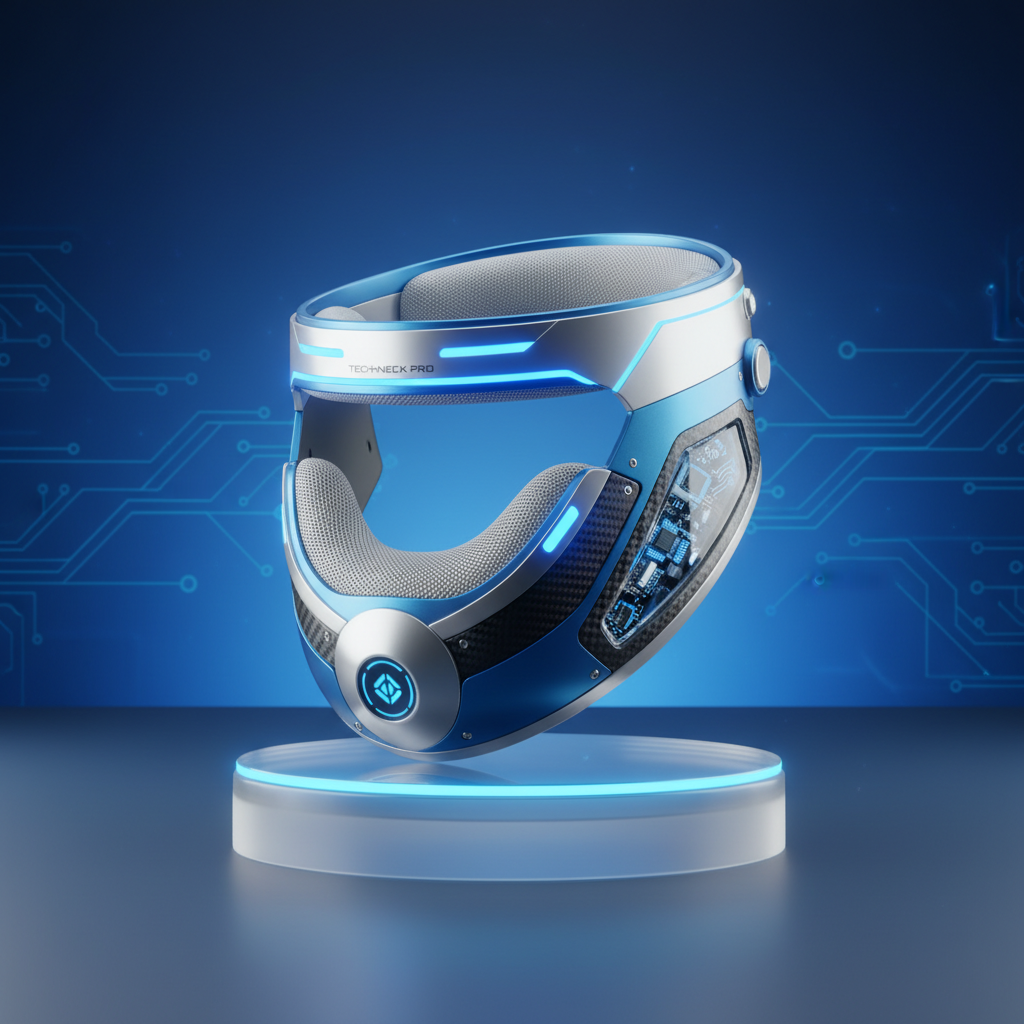
Introduction to Chin Support Collars
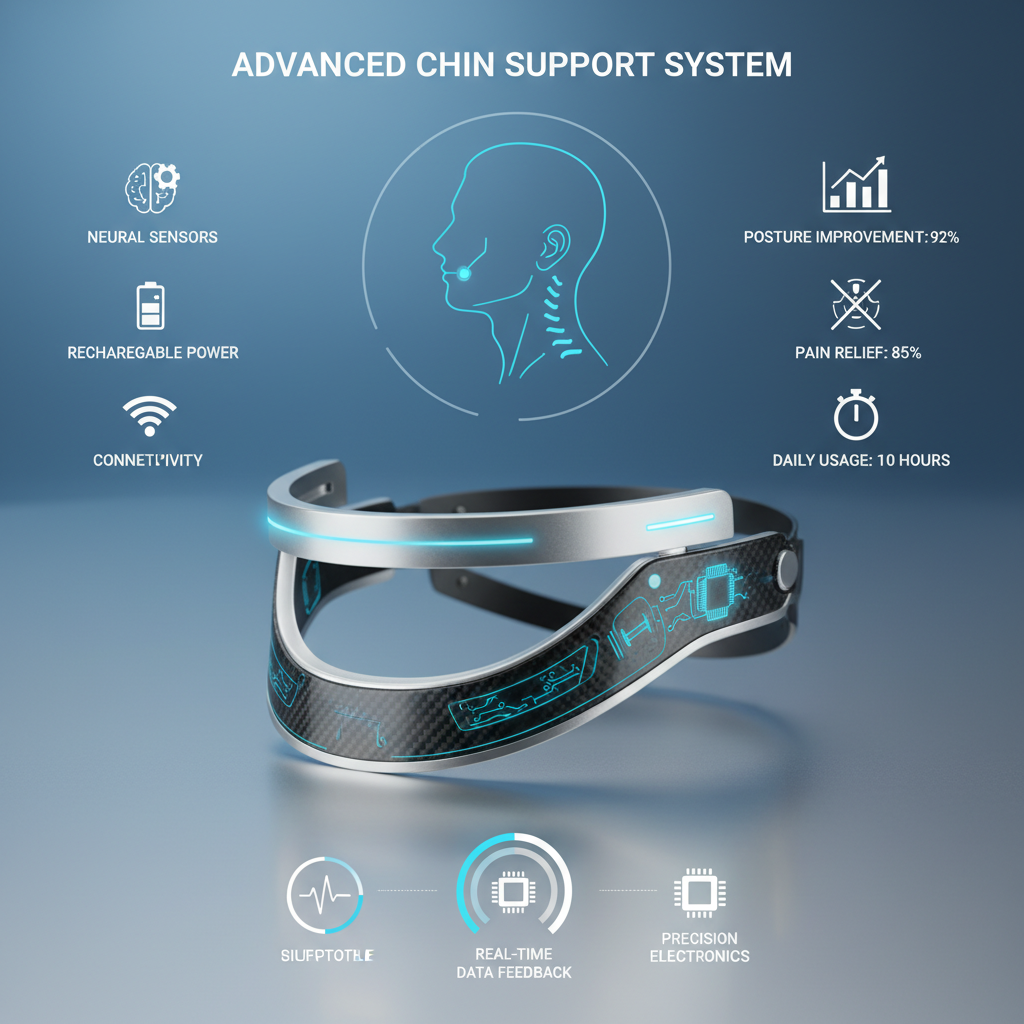
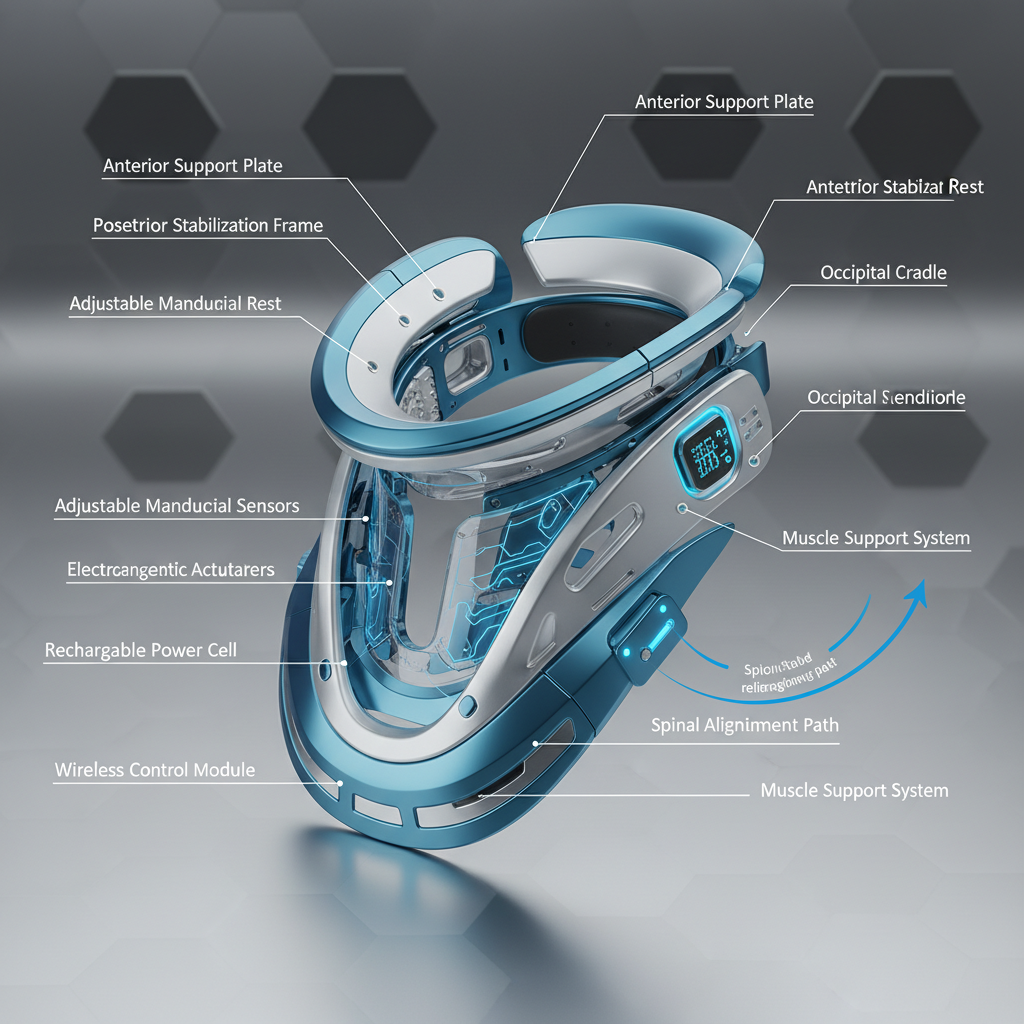
A chin support collar is a medical device designed to immobilize and support the cervical spine – the part of the spine in your neck. It’s often used following injuries such as whiplash, fractures, or surgeries to provide stability and reduce pain. The correct application of a chin support collar is paramount to ensure effective treatment and avoid complications. chin support collar designs have evolved over the years to improve comfort and functionality.
Beyond acute injury management, chin support collars are also used in cases of cervical spondylosis, a degenerative condition affecting the neck, and to aid recovery after certain neurological procedures. These devices are crucial tools for healthcare professionals aiming to promote healing and prevent further damage to the delicate structures of the cervical spine.
FAQS
The primary purpose of a chin support collar is to immobilize and support the cervical spine following injury or surgery. This immobilization helps reduce pain, prevent further damage, and promote healing. By limiting neck movement, the collar allows the injured tissues to rest and recover effectively. It’s crucial for conditions like whiplash, fractures, and post-operative rehabilitation.
The duration of chin support collar use varies significantly depending on the severity of the injury and the individual patient’s healing progress. Generally, wearing times range from a few days to several weeks, and it’s always determined by a healthcare professional. Gradual weaning off the collar is usually recommended, often under the guidance of a physical therapist to ensure a safe and effective recovery.
While generally safe, prolonged use of a chin support collar can lead to some side effects. These include skin irritation, muscle weakness due to immobilization, and discomfort. It's crucial to maintain good skin hygiene under the collar and to follow a prescribed exercise program to prevent muscle atrophy. If you experience persistent pain or discomfort, consult your healthcare provider immediately.
A properly fitted chin support collar should be snug but not overly tight. You should be able to breathe and swallow comfortably. The collar should securely support your chin and limit neck movement without causing pressure points or skin irritation. If you're unsure about the fit, have a healthcare professional assess it to ensure optimal immobilization and comfort.
Driving while wearing a chin support collar is generally not recommended, especially during the initial stages of recovery. The collar restricts neck movement and can impair your ability to safely turn your head to check traffic. Consult with your healthcare provider regarding driving restrictions based on your specific injury and the type of collar you're using.
Rigid chin support collars offer maximum immobilization and are typically used for more severe injuries, such as fractures. Soft collars provide less restriction and are often used for mild whiplash or muscle strains. The choice between a rigid and soft collar depends on the nature and severity of your injury, and your healthcare provider will determine the most appropriate option for your specific needs.
Conclusion
In conclusion, the chin support collar remains a vital component of modern medical care for a wide range of cervical spine injuries and conditions. Its ability to provide stabilization, reduce pain, and promote healing is invaluable, impacting the lives of countless individuals globally. Ongoing advancements in materials, design, and technology are continuously improving the effectiveness and comfort of these devices.
Looking ahead, continued research and development focusing on personalized fit, smart monitoring capabilities, and improved patient compliance will further enhance the role of the chin support collar in optimizing recovery outcomes. For more information on chin support collars and related orthopedic solutions, visit our website: chin support collar.
Related Posts
-
Advancements in Rigid Neck Brace Technology for Optimal Spinal Stabilization
-

Optimizing Cervical Collar Use for Enhanced Patient Recovery and Safety
-
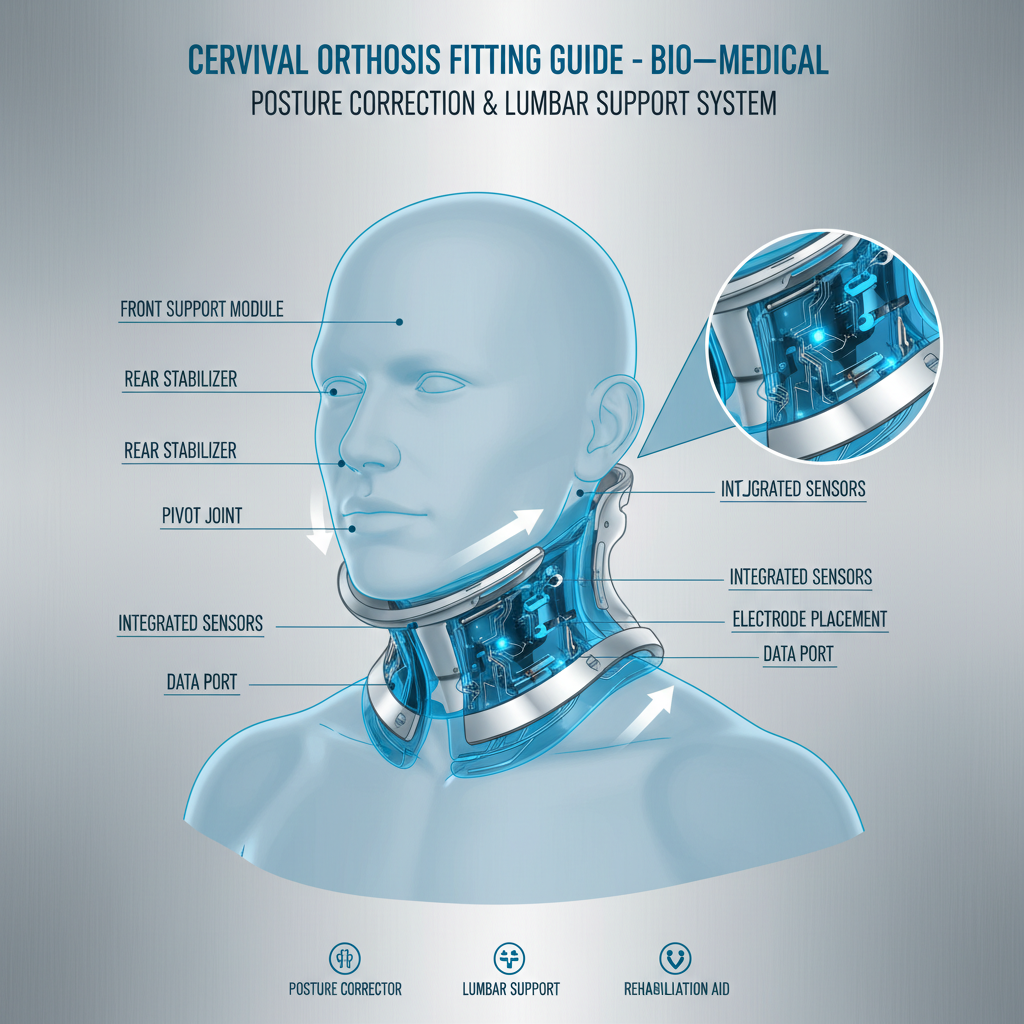
Optimizing Patient Care Through Effective Cervical Collar Fitting Procedures
-
ACDF Cervical Collar Importance in PostSurgical Spine Stabilization and Recovery