The cervical collar with chin support is a crucial medical device used to stabilize the neck and head following trauma or injury. Its importance stems from the critical need to prevent further damage to the spinal cord, potentially averting long-term neurological deficits. Understanding the nuances of these collars, from their design to proper application, is vital for healthcare professionals and patients alike. A well-fitted cervical collar with chin support provides essential immobilization, contributing to optimal recovery outcomes.
Globally, the demand for effective cervical immobilization devices is increasing due to rising rates of traffic accidents, sports-related injuries, and falls, particularly among the aging population. According to the World Health Organization (WHO), road traffic injuries are a leading cause of death and disability worldwide, with a significant proportion resulting in cervical spine injuries. The need for readily available and reliable cervical collar with chin support solutions is therefore paramount in both emergency medical settings and rehabilitation programs.
The development and refinement of these collars represent a continuous effort to enhance patient comfort, improve immobilization effectiveness, and reduce secondary complications. The implementation of standardized protocols for cervical spine management, including the appropriate use of cervical collar with chin support devices, is a key priority in modern trauma care.
The Fundamentals of cervical collar with chin support
At its core, a cervical collar with chin support is designed to limit motion in the cervical spine, preventing exacerbation of injuries like fractures, dislocations, and soft tissue damage. The chin support component plays a vital role in ensuring optimal immobilization, particularly in cases involving occipital instability. Its effectiveness relies on proper sizing and application, minimizing the risk of complications like pressure sores or restricted breathing.
The basic construction involves a rigid or semi-rigid shell encompassing the neck, secured with straps and closures. Variations in materials, ranging from molded plastics to foam padding, cater to different levels of injury severity and patient needs. A high-quality cervical collar with chin support is characterized by its anatomical fit, adjustability, and ability to maintain consistent immobilization throughout the healing process.
The Global Significance of Cervical Collar Technology
The global market for cervical immobilization devices is substantial and continues to grow, driven by increasing awareness of spinal injury prevention and improved access to healthcare. Demand is particularly high in countries with robust trauma care systems and active sports cultures. The cost of spinal cord injuries is immense, both in terms of direct medical expenses and long-term disability support, highlighting the economic benefits of effective preventative measures and acute care interventions utilizing devices such as a cervical collar with chin support.
International organizations like the International Spinal Cord Society (ISCS) actively promote best practices in spinal cord injury management, including the appropriate use of cervical immobilization devices. Furthermore, advancements in materials science and engineering are leading to the development of lighter, more comfortable, and more effective cervical collars with chin support. This focus on innovation is crucial for improving patient outcomes and reducing the burden of spinal injuries worldwide.
The logistical challenges of providing adequate cervical immobilization in resource-limited settings are significant. Reliable supply chains and training programs are essential to ensure that healthcare providers have access to the necessary equipment and knowledge to effectively manage cervical spine injuries, especially in emergency situations.
Defining a cervical collar with chin support
A cervical collar with chin support is a medical device designed to immobilize the cervical spine – the section of the vertebral column in the neck. Unlike standard cervical collars, this type incorporates a supportive element extending to the chin, enhancing stabilization, particularly for injuries involving instability at the occiput (base of the skull). This additional support minimizes movement and protects the spinal cord from further trauma.
Its connection to modern industry and humanitarian needs lies in its vital role in trauma care, emergency medicine, and post-operative rehabilitation. Following car accidents, falls, sports injuries, or surgical procedures on the neck, a cervical collar with chin support helps prevent further damage during the critical initial stages of healing. In disaster relief efforts, providing immediate cervical immobilization is paramount, and lightweight, portable options are highly valued.
The evolution of this device reflects ongoing improvements in biomechanical understanding and materials technology. Modern designs prioritize patient comfort, ease of application, and compatibility with other medical equipment, such as imaging devices. The ultimate goal is to provide a secure and effective means of protecting the delicate structures of the cervical spine during the recovery process.
Core Components and Key Factors
Several key factors determine the effectiveness and suitability of a cervical collar with chin support. Rigidity and Support: The degree of immobilization is paramount, dictating the collar’s ability to prevent harmful movement. Materials and construction directly influence this factor. Comfort and Fit: Prolonged use demands a comfortable fit to prevent skin irritation and ensure patient compliance. Proper sizing is critical.
Adjustability: Adaptability to varying neck sizes and body shapes is essential. Adjustable straps and closures allow for a customized fit. Material Composition: Lightweight, breathable, and hypoallergenic materials enhance comfort and reduce the risk of adverse reactions. Chin Support Design: The design of the chin support influences the effectiveness of occipital stabilization.
Cervical Collar with Chin Support Performance Metrics
Real-World Applications and Use Cases
Cervical collars with chin support find widespread application in emergency medical services (EMS) for on-scene stabilization of patients with suspected cervical spine injuries. They are indispensable in hospital trauma centers, facilitating safe patient transport and diagnostic imaging. Post-surgical immobilization following cervical fusion or laminectomy also relies heavily on these devices.
In sports medicine, these collars are employed to protect athletes from neck injuries during high-impact activities like football, motocross, and skiing. Rehabilitation centers utilize them during the recovery phase, gradually allowing controlled movement as the spine heals. In remote industrial zones where immediate access to advanced medical care is limited, a well-stocked first-aid kit including a cervical collar with chin support can be life-saving.
Furthermore, they are used in geriatric care facilities to support patients with conditions like cervical spondylosis or osteoarthritis, providing pain relief and preventing further degeneration. In post-disaster relief operations, rapid deployment of cervical immobilization devices is crucial for managing trauma victims amidst chaotic conditions.
The Advantages and Long-Term Value Proposition
The advantages of utilizing a cervical collar with chin support extend beyond immediate injury stabilization. Reduced risk of long-term neurological deficits translates into lower healthcare costs and improved quality of life for patients. Enhanced patient comfort promotes adherence to treatment protocols, accelerating the healing process. The use of durable, reusable materials contributes to cost-effectiveness in healthcare settings.
From a societal perspective, effective cervical immobilization reduces the burden of disability and supports individuals in returning to productive lives. Investing in high-quality cervical collars with chin support demonstrates a commitment to patient safety, innovation, and responsible healthcare practices. The peace of mind knowing that appropriate spinal stabilization is readily available is an invaluable benefit, fostering trust between patients and healthcare providers.
Future Trends and Innovative Directions
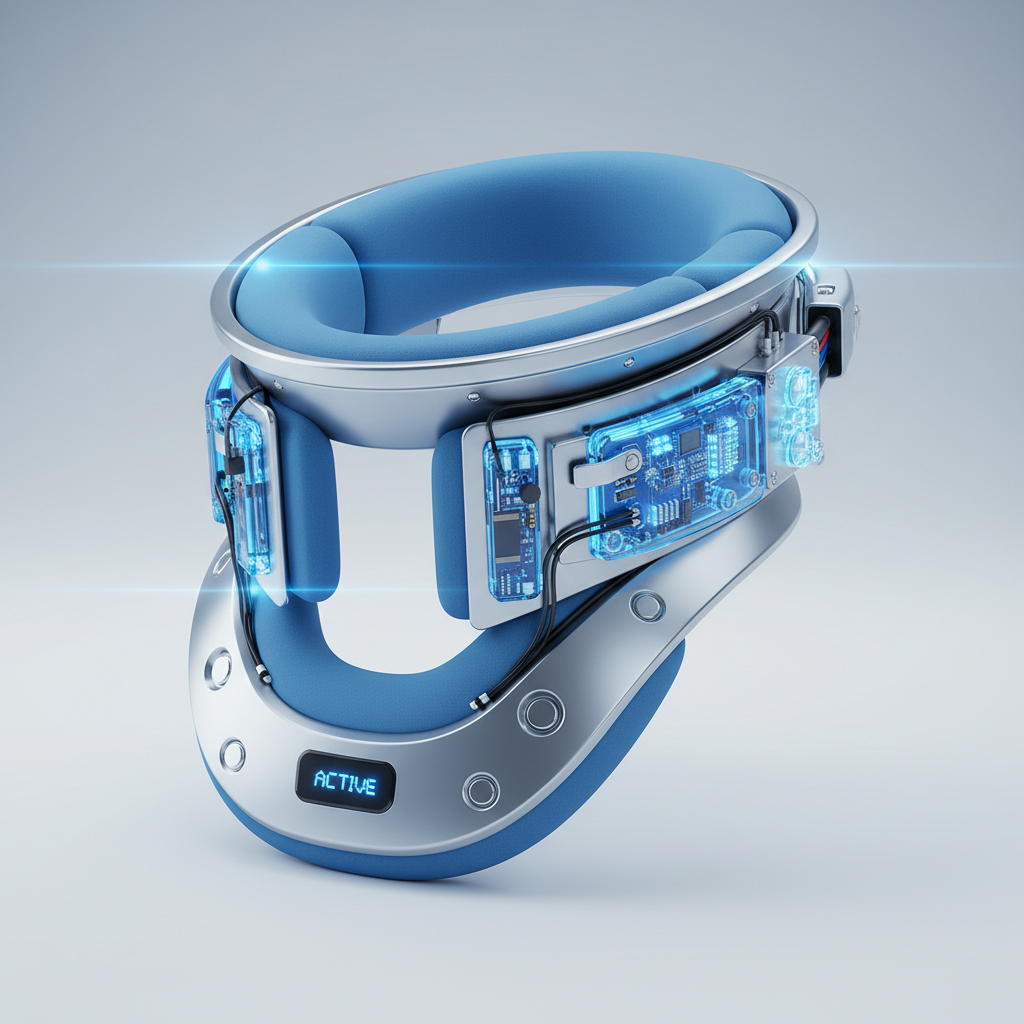
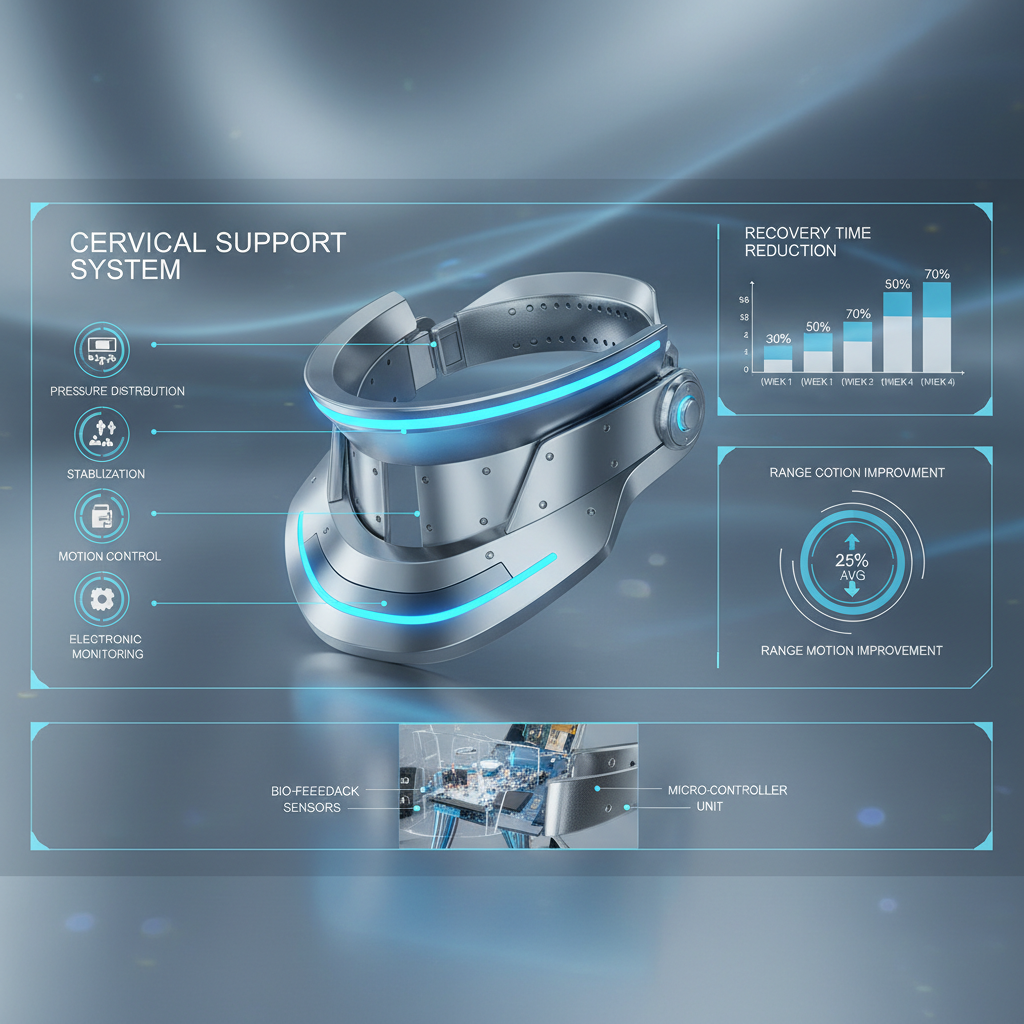
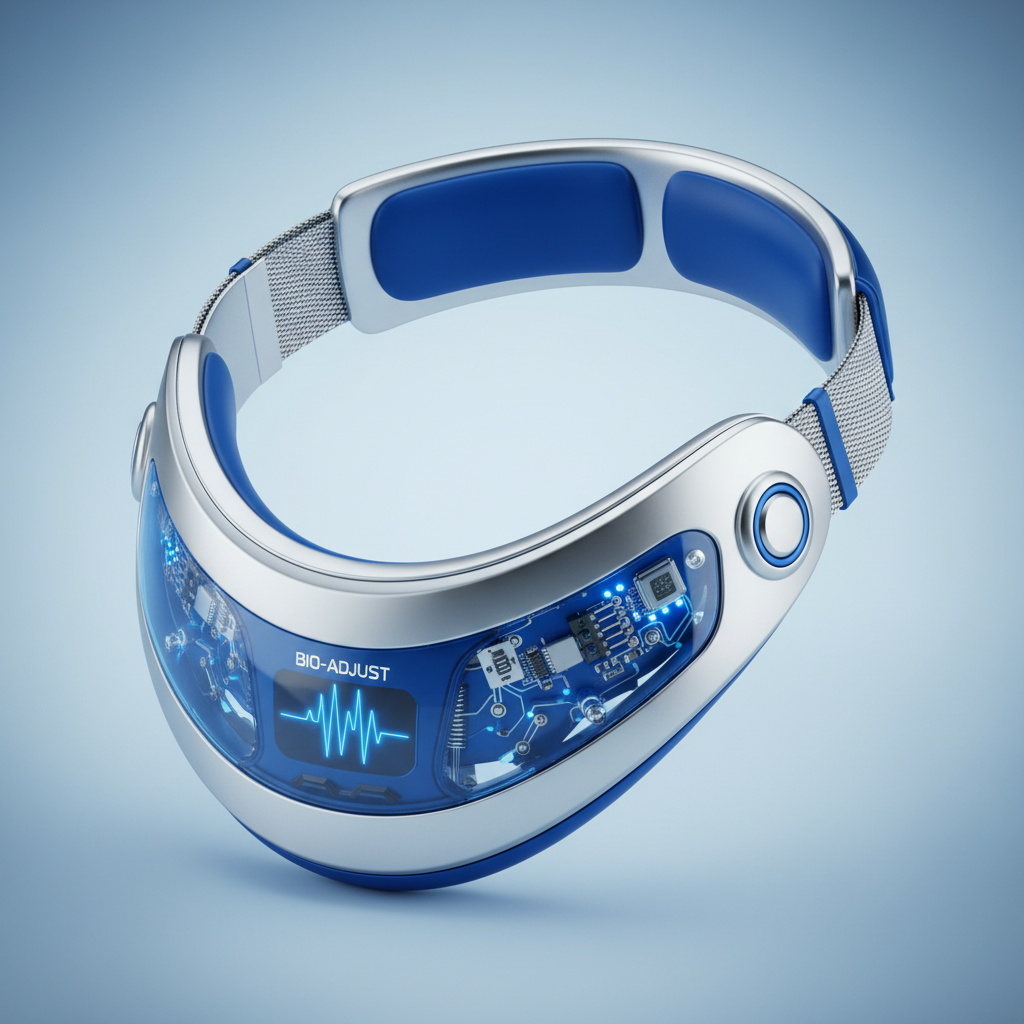
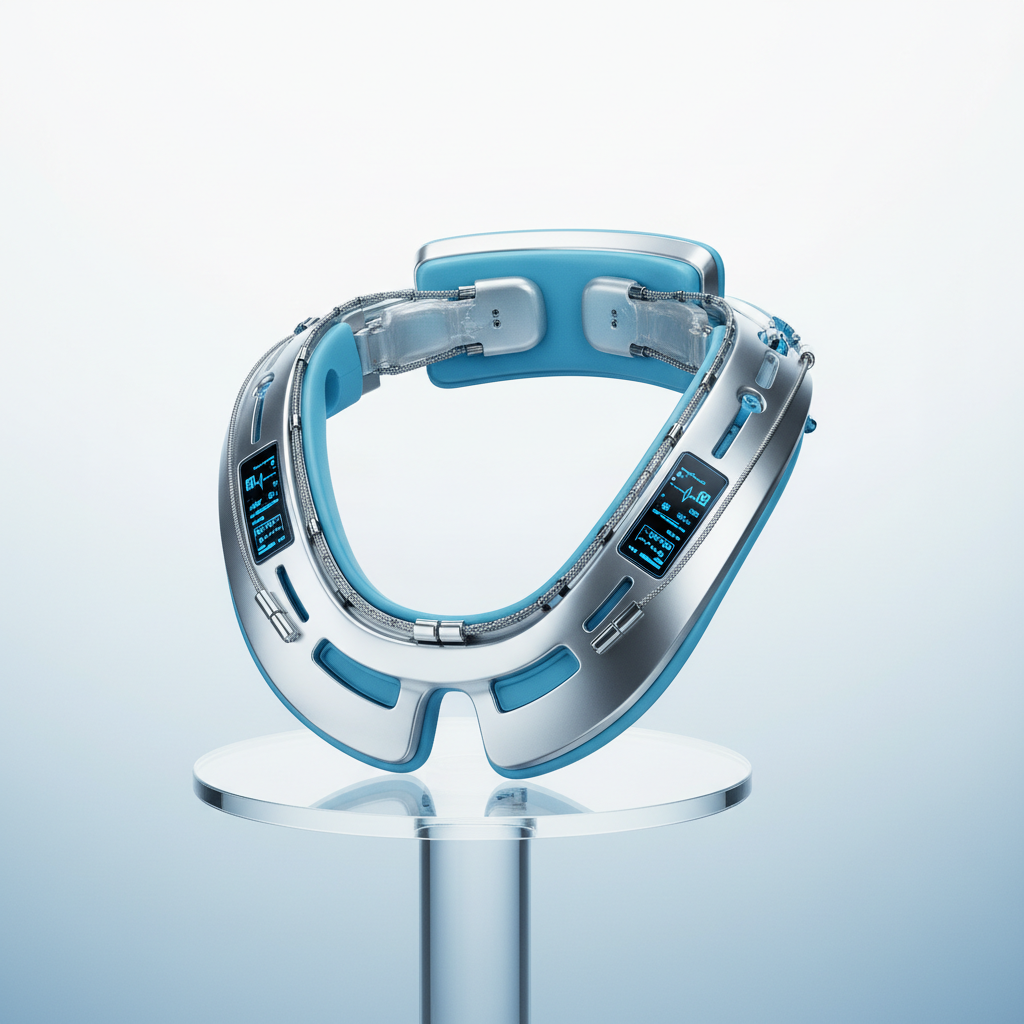
Emerging trends in cervical immobilization focus on integrating smart technologies into collar designs. Sensors embedded within the collar can monitor pressure distribution, detect movement, and transmit data wirelessly to healthcare professionals, providing real-time insights into patient status. Bioprinting and advanced materials are being explored to create customized collars tailored to individual anatomy.
The development of more lightweight and breathable materials will further enhance patient comfort and compliance. Artificial intelligence (AI) and machine learning algorithms could potentially analyze sensor data to predict potential complications and optimize treatment strategies. Sustainability initiatives are driving the use of eco-friendly materials and recyclable components in collar manufacturing.
Furthermore, research is underway to develop hybrid immobilization systems combining the benefits of rigid collars with dynamic support elements, allowing for controlled range of motion during rehabilitation. These innovations promise to revolutionize cervical spine injury management, improving outcomes and enhancing patient care.
Challenges and Solutions
Despite advancements, challenges remain in optimizing cervical collar use. One common issue is improper application, leading to inadequate immobilization or increased risk of complications. Another limitation is the potential for muscle atrophy due to prolonged immobilization. Ensuring accurate sizing, providing comprehensive training for healthcare professionals, and promoting early mobilization protocols are crucial solutions.
Addressing the discomfort associated with long-term collar use requires ongoing research into improved materials and ergonomic designs. Developing standardized protocols for weaning patients off collars and integrating them into rehabilitation programs is essential for maximizing functional recovery. Furthermore, bridging the gap in access to affordable, high-quality cervical collars in resource-limited settings remains a significant challenge.
Collaborative efforts between manufacturers, clinicians, and researchers are needed to overcome these obstacles and drive further innovation in cervical immobilization technology. Implementing telehealth solutions for remote monitoring and patient education can also improve adherence to treatment plans and enhance overall outcomes.
Summary of Challenges and Proposed Solutions for cervical collar with chin support
| Challenge |
Impact on Patient Care |
Proposed Solution |
Implementation Strategy |
| Improper Application |
Reduced Immobilization, Increased Risk of Complications |
Comprehensive Training Programs |
Simulations, Online Modules, On-Site Workshops |
| Patient Discomfort |
Poor Compliance, Reduced Rehabilitation Efficacy |
Advanced Material Research |
Lightweight, Breathable, Hypoallergenic Materials |
| Muscle Atrophy |
Weakness, Functional Limitations |
Early Mobilization Protocols |
Gradual Range of Motion Exercises |
| Sizing Issues |
Inadequate Support, Skin Irritation |
Expanded Size Range & Customization |
Offer various sizes and adjustable features |
| Accessibility in Remote Areas |
Delayed Treatment, Increased Morbidity |
Strategic Stockpiling & Distribution |
Partner with NGOs, Ensure Reliable Supply Chains |
| Lack of Standardized Protocols |
Variability in Care, Suboptimal Outcomes |
Development of Clinical Guidelines |
Collaboration with Expert Panels |
FAQS
A cervical collar with chin support provides superior immobilization, especially in cases involving occipital instability. The chin support component reinforces the overall structure, minimizing movement at the base of the skull and offering enhanced protection to the spinal cord. It’s particularly beneficial for fractures extending into the occipital region or for patients requiring more robust stabilization.
The duration of collar use depends on the severity and nature of the injury. It usually ranges from a few weeks to several months, guided by radiographic evidence of healing. A healthcare professional will determine the appropriate duration based on individual patient progress and clinical findings. Prolonged immobilization, however, can lead to muscle weakness, so a gradual weaning process is essential.
Signs of improper fit include pressure sores on the skin, difficulty breathing or swallowing, excessive movement within the collar, and significant discomfort. The collar should fit snugly but not restrict airflow or cause undue pressure. If any of these symptoms occur, the collar should be adjusted or replaced, and a healthcare professional should be consulted immediately.
Generally, driving while wearing a cervical collar with chin support is not recommended. The collar restricts range of motion and can impair your ability to react quickly and safely. Follow your doctor's specific instructions regarding driving restrictions. Your physician will assess your condition and advise you when it is safe to resume driving.
Cleaning instructions vary depending on the material of the collar. Most collars can be gently cleaned with mild soap and water. Avoid harsh chemicals or abrasive cleaners. Removable pads can often be hand-washed. Regularly inspect the collar for signs of wear and tear, and replace it if damaged. Always follow the manufacturer’s specific guidelines.
Yes, alternative options include rigid cervical orthoses (halos) which provide more extensive immobilization and are typically used for more severe injuries. External skeletal fixators can also be used in certain cases. The choice of immobilization device depends on the specific injury pattern, stability of the spine, and the patient’s overall condition. Your physician will determine the most appropriate method of stabilization.
Conclusion
In conclusion, the cervical collar with chin support remains a cornerstone of emergency and rehabilitative care for patients with cervical spine injuries. Its ability to effectively immobilize the neck, protect the spinal cord, and promote healing is undeniable. Ongoing advancements in materials, design, and technology continue to enhance its efficacy and comfort, improving patient outcomes.
Looking ahead, continued research and development are crucial to address existing challenges and unlock new potential in cervical immobilization. By fostering collaboration between clinicians, engineers, and manufacturers, we can further refine these vital devices and ensure that they remain at the forefront of spinal injury management, providing the highest level of care for those in need. Visit our website for more information: www.jhorthopedic.com