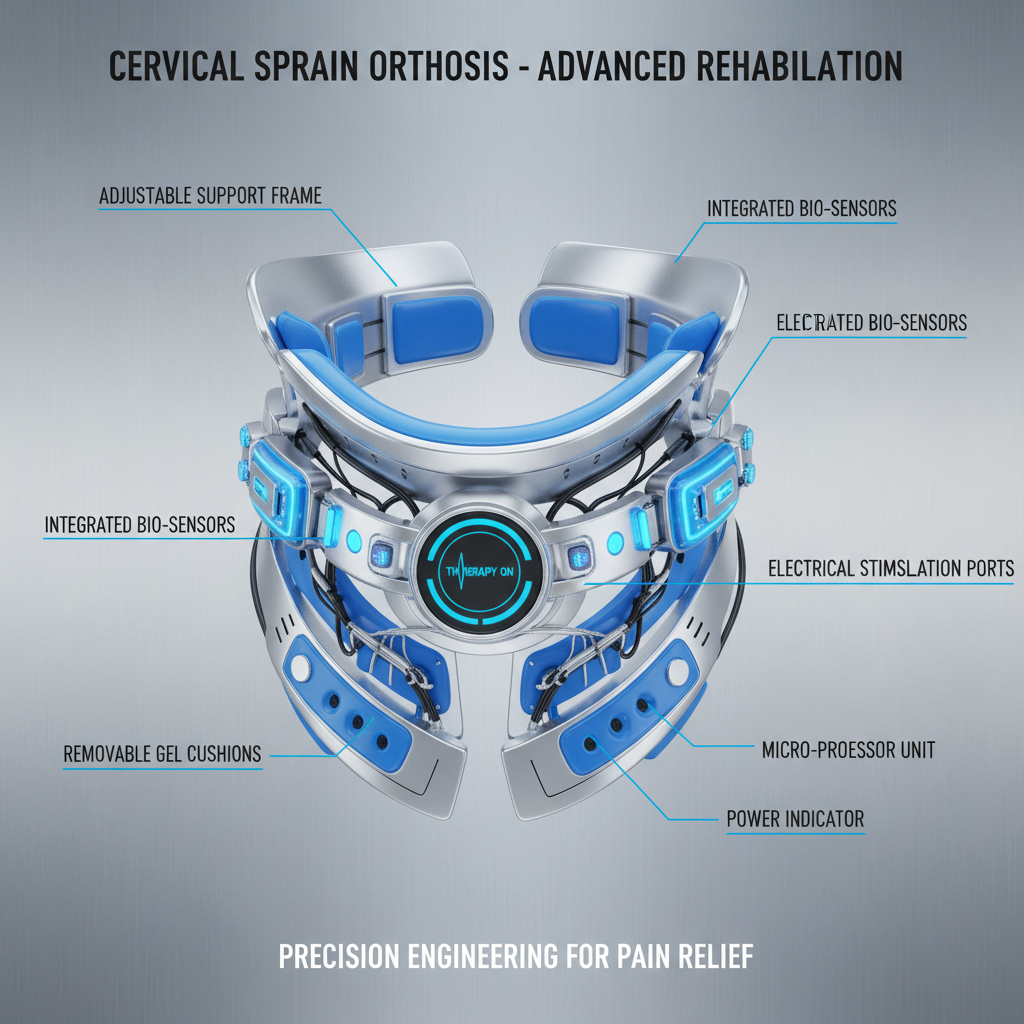
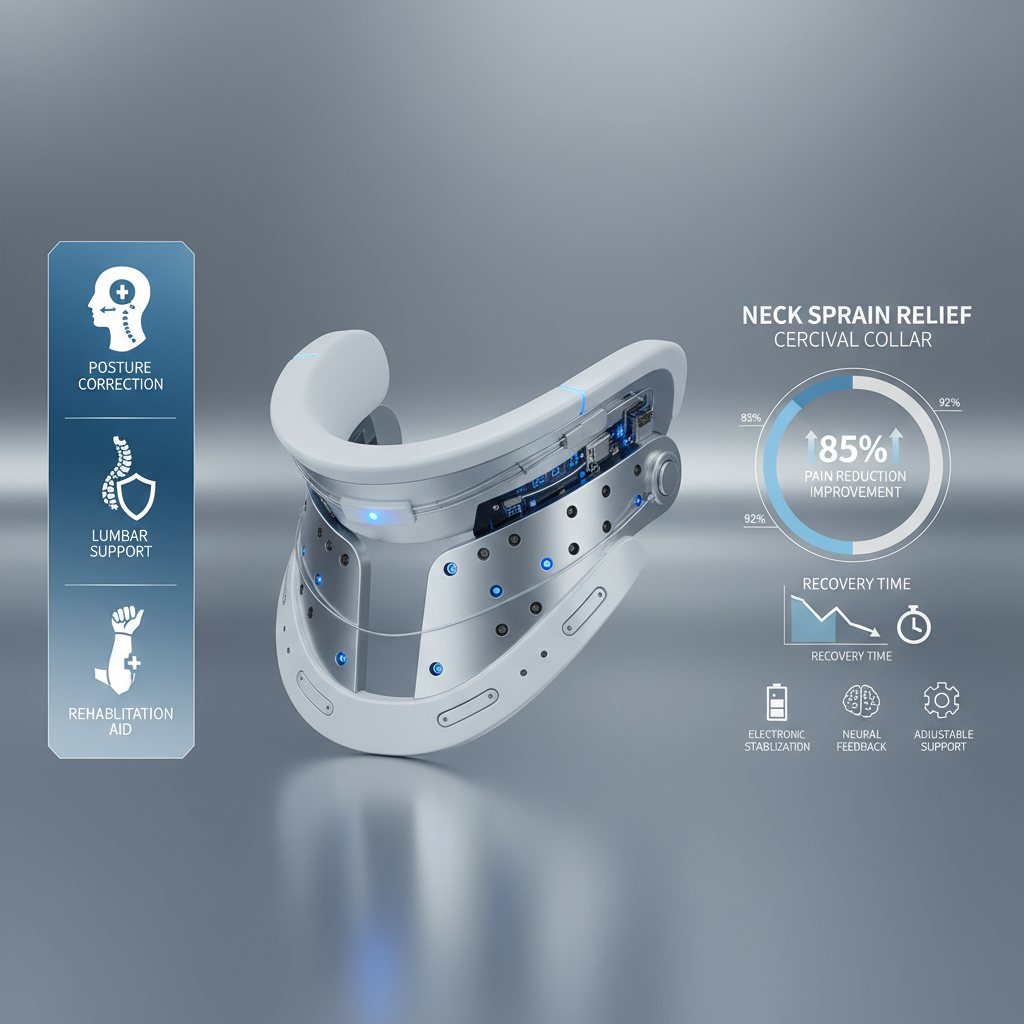
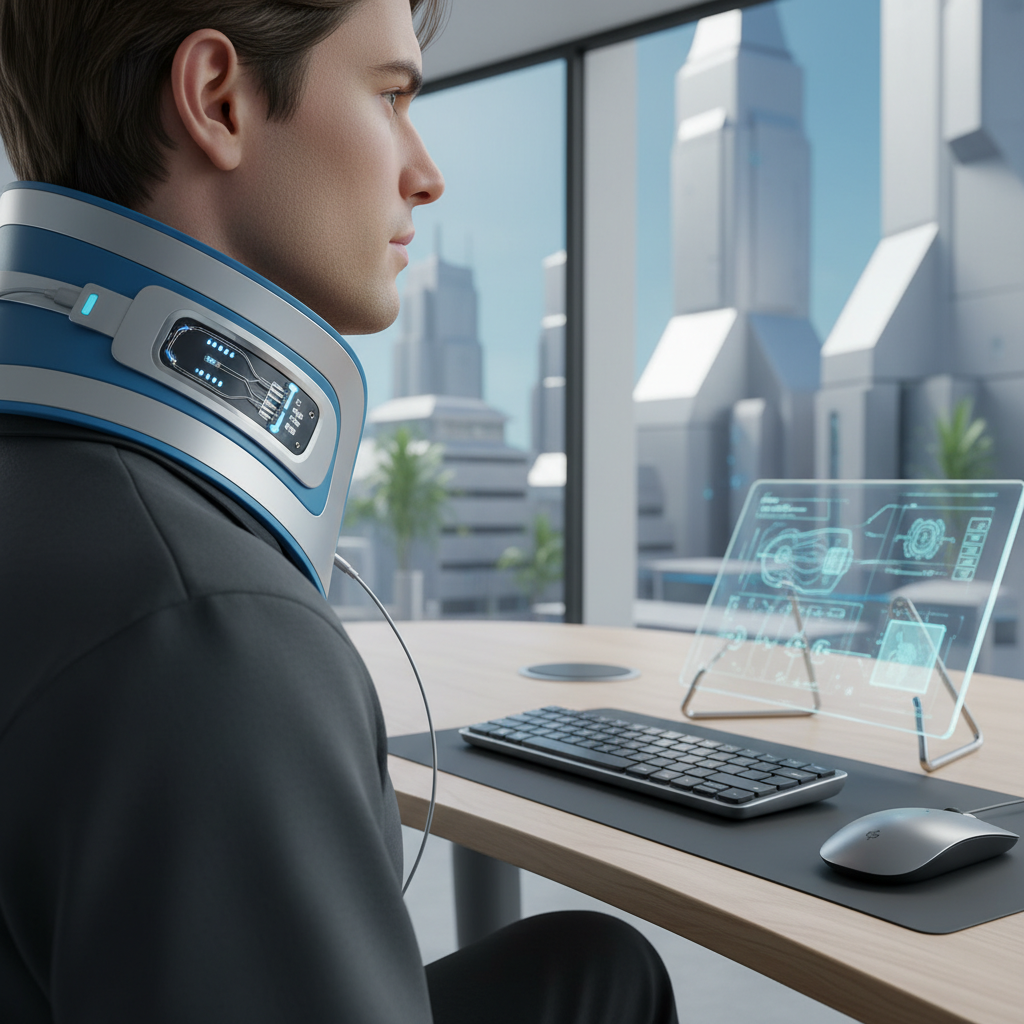
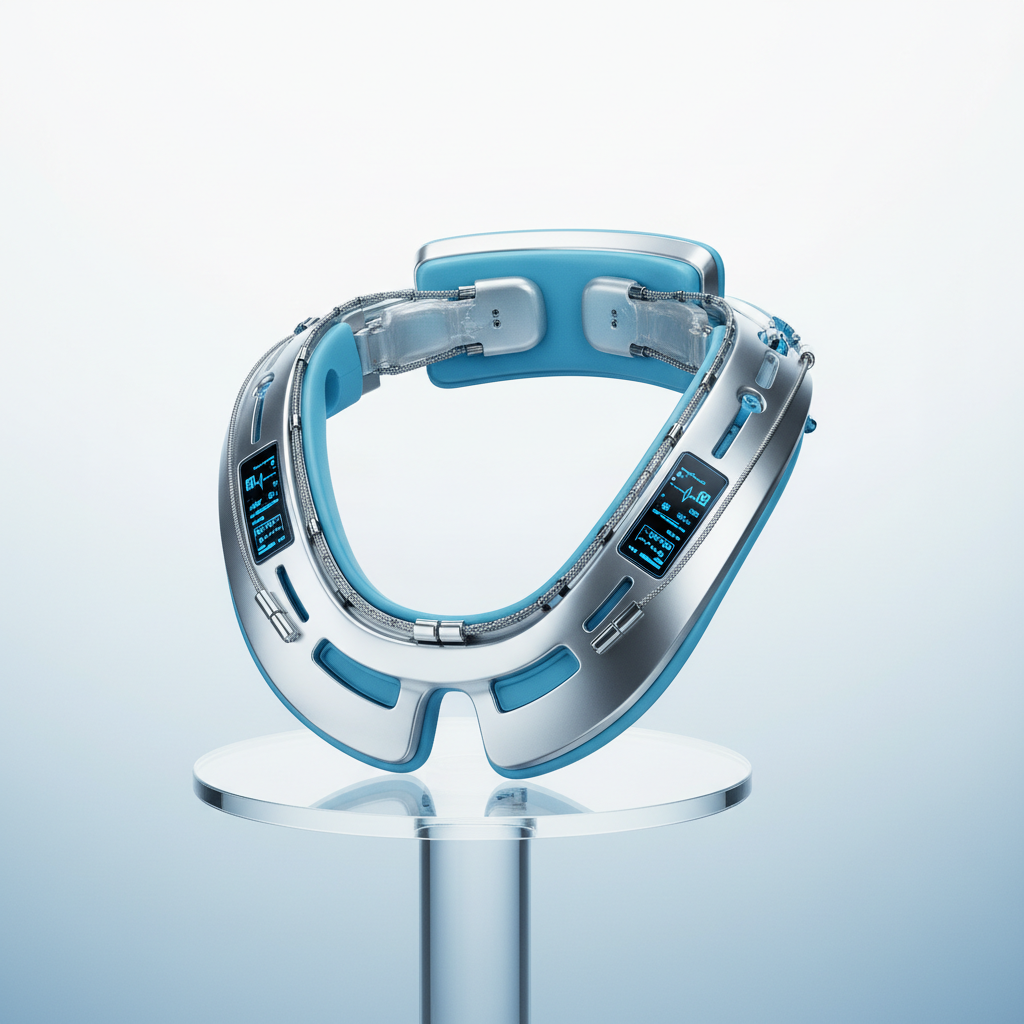
Dealing with a sudden neck injury can be debilitating, often disrupting daily activities and causing significant discomfort. A cervical collar for neck sprain serves as a critical orthopedic intervention, designed to stabilize the cervical spine and limit excessive movement that could exacerbate tissue damage. By providing external support, these devices facilitate a safer healing environment for ligaments and muscles strained during a sprain.
Across the global healthcare landscape, the demand for high-quality stabilization tools has surged due to the rise in automotive accidents and workplace injuries. Understanding the nuances of selecting the right cervical collar for neck sprain is not just about comfort, but about preventing long-term chronic pain and ensuring that the neurological pathways of the neck remain undisturbed during the acute recovery phase.
The integration of advanced materials and ergonomic designs has transformed these collars from rigid, uncomfortable braces into sophisticated medical devices. Whether used in emergency trauma settings or for home-based recovery, the primary goal remains the same: to optimize the alignment of the cervical vertebrae and reduce the load on the strained musculature, thereby accelerating the return to full mobility.
Global Impact of Cervical Stabilization in Orthopedics
On a global scale, neck sprains—often categorized under "whiplash" in automotive contexts—represent a significant burden on healthcare systems. According to international health data and ISO standards for medical devices, the improper immobilization of the cervical spine can lead to permanent disability or chronic neuromusculoskeletal disorders. The implementation of a standardized cervical collar for neck sprain is essential in reducing the incidence of secondary injuries during the critical first 72 hours post-trauma.
The challenge lies in the diversity of patient anatomy and the varying severity of sprains. In many developing regions, access to specialized orthopedic bracing is limited, leading to suboptimal recovery rates. By scaling the production of affordable, medical-grade collars, the global medical community aims to standardize care, ensuring that whether a patient is in a high-tech urban hospital or a remote clinic, they receive the stabilization necessary to prevent long-term cervical degradation.
Defining the Cervical Collar for Neck Sprain
In simple technical terms, a cervical collar for neck sprain is a medical orthosis designed to support the neck and limit the range of motion of the cervical vertebrae. Unlike rigid halos used for fractures, a collar for sprains focuses on providing "semi-rigid" or "soft" stabilization. This balance is crucial; it prevents the harmful twisting or bending of the neck while allowing just enough movement to prevent muscle atrophy.
Modern industry has evolved these devices to meet humanitarian needs, particularly in the wake of natural disasters or mass-casualty incidents where rapid deployment of neck support is mandatory. The connection between material science and orthopedic need has led to the development of hypoallergenic foams and breathable fabrics, ensuring that the device can be worn for extended periods without causing skin breakdown or respiratory distress.
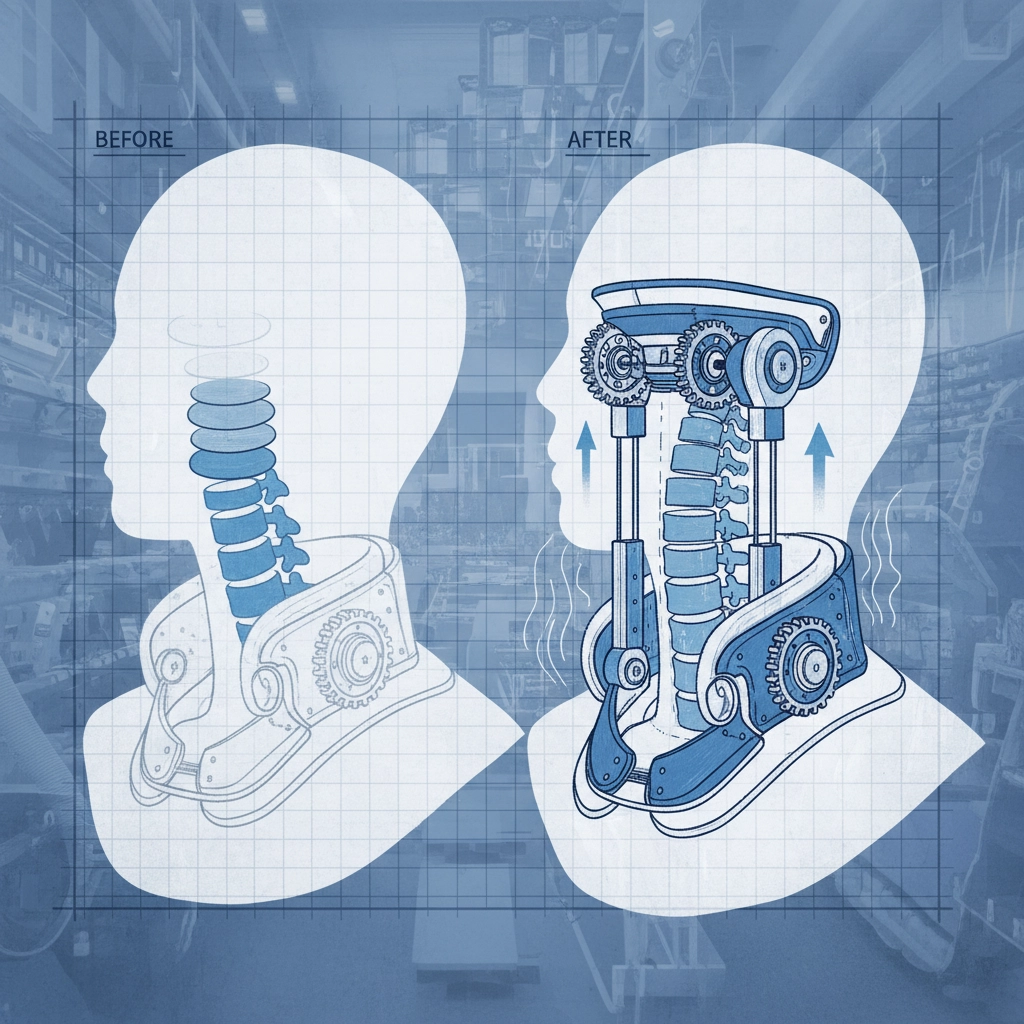
Ultimately, these collars act as a mechanical surrogate for the damaged ligaments. When a sprain occurs, the soft tissues that normally hold the vertebrae in place are stretched or torn. The cervical collar absorbs the weight of the head—which averages 10 to 12 pounds—transferring that load from the injured neck muscles to the chest and shoulders, thereby facilitating cellular repair.
Core Components of Effective Neck Support
Durability and Material Integrity are the first pillars of a high-quality cervical collar for neck sprain. The use of high-density EVA foam or medical-grade polymers ensures that the brace does not collapse under the weight of the head, maintaining a consistent level of immobilization throughout the day.
Anatomical Scalability is equally vital. Because neck circumference varies wildly across different demographics, the most effective cervical collar for neck sprain utilizes adjustable hook-and-loop fastening systems. This allows clinicians to fine-tune the compression, ensuring the collar is tight enough to stabilize but loose enough to avoid obstructing the carotid arteries or the airway.
Cost Efficiency and Breathability complete the core requirements. For long-term recovery, a patient must be able to wear the device without overheating. Perforated materials and moisture-wicking liners make the cervical collar for neck sprain sustainable for 24/7 use, reducing the likelihood of patient non-compliance due to discomfort.
Performance Metrics for Recovery Devices
When evaluating the efficacy of various stabilization methods, medical professionals look at the "Immobilization Index" versus "Patient Comfort." A cervical collar for neck sprain must hit a sweet spot where it provides sufficient restriction of flexion and extension without causing claustrophobia or excessive pressure on the jawline.
The following data represents the comparative performance of different collar types used in treating neck sprains, focusing on their ability to reduce pain and limit unwanted movement.
Comparative Efficacy of Cervical Collar for Neck Sprain Types
Real-World Applications and Use Cases
In post-disaster relief operations, such as following earthquakes or hurricanes, the rapid deployment of a cervical collar for neck sprain is a life-saving protocol. First responders use these devices to stabilize victims before transport, ensuring that a simple sprain does not evolve into a spinal cord injury due to uncontrolled movement during extraction.
Beyond emergency care, these devices are widely used in industrial zones where workers are prone to repetitive strain or sudden jarring movements. For example, in heavy machinery operation or logistics, providing employees with a temporary cervical collar for neck sprain after a minor incident prevents the progression of the injury into chronic cervical spondylosis, maintaining workforce productivity and employee wellbeing.
Long-Term Value of Professional Bracing
The tangible benefits of using a professional-grade cervical collar for neck sprain extend far beyond immediate pain relief. By ensuring proper alignment, these devices reduce the long-term costs associated with physical therapy and corrective surgeries. When the spine is stabilized correctly from day one, the body's natural inflammatory response is managed more efficiently, leading to a faster return to work and a reduction in disability claims.
From a psychological perspective, the use of a stabilizer provides a sense of security and dignity to the patient. Knowing that the neck is protected allows individuals to engage in basic activities of daily living with less fear of sudden pain spikes. This emotional stability is a critical, often overlooked component of the healing process, as it reduces stress and promotes a more positive outlook on recovery.
Furthermore, the reliability of medical-grade materials ensures that the user does not have to deal with the frustration of a sagging or slipping brace. This consistency builds trust between the patient and their healthcare provider, reinforcing the importance of following the prescribed stabilization protocol to achieve the best possible clinical outcome.
Future Innovations in Cervical Orthotics
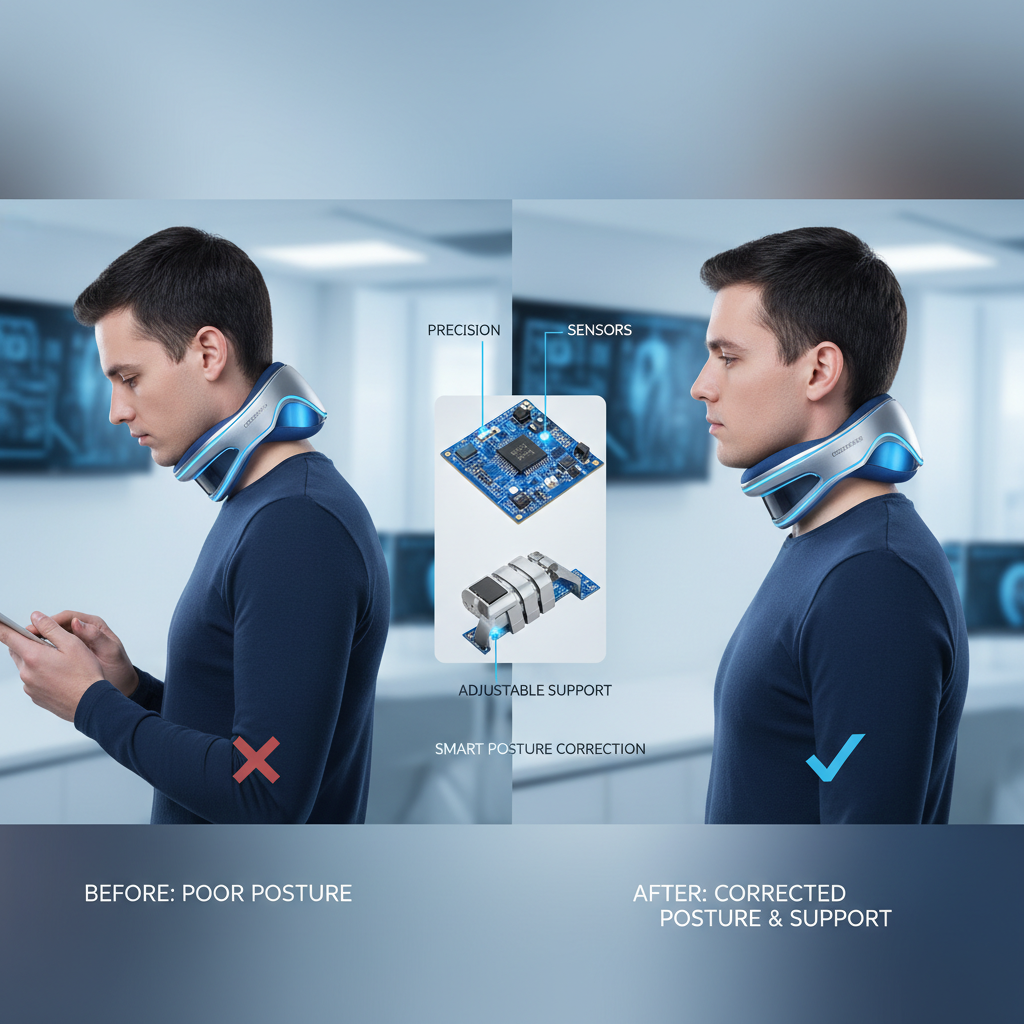
The future of the cervical collar for neck sprain is being shaped by digital transformation and smart materials. We are seeing the emergence of "smart collars" embedded with pressure sensors that can alert a physician via a smartphone app if the patient is not wearing the device correctly or if the neck is experiencing undue stress. This integration of IoT (Internet of Things) allows for remote monitoring and personalized rehabilitation schedules.
Sustainability is also taking center stage. The industry is shifting toward biodegradable polymers and recycled medical-grade fabrics to reduce the environmental footprint of disposable collars. By combining green energy in manufacturing with automated 3D printing, companies can now create a cervical collar for neck sprain that is perfectly contoured to a patient's unique anatomy in a matter of minutes.
Finally, the application of biomimetic design is allowing for braces that mimic the natural flexibility of the human neck while still providing rigid support where needed. This "dynamic stabilization" ensures that the user can maintain a basic level of ocular mobility while the cervical vertebrae remain strictly immobilized, significantly improving the quality of life during the recovery period.
Comparative Analysis of Cervical Collar Materials and Efficacy
|
Material Type
|
Support Level (1-10)
|
Breathability Score
|
Primary Use Case
|
| Soft Polyurethane Foam |
4 |
7 |
Mild Sprains/Comfort |
| High-Density EVA |
7 |
5 |
Moderate Sprains |
| Thermoplastic Resin |
9 |
3 |
Severe Instability |
| Neoprene Blend |
6 |
6 |
Active Recovery |
| Air-Cell Polymer |
8 |
8 |
Adjustable Trauma |
| Carbon Fiber Composite |
10 |
4 |
Max Immobilization |
FAQS
The duration depends on the severity of the sprain and your doctor's advice. Typically, for mild sprains, a collar may be worn for a few days to a week to reduce acute pain. For more severe injuries, it may be necessary for several weeks. It is crucial not to over-rely on the brace, as long-term use without guided physical therapy can lead to muscle weakness. Always follow a weaning schedule provided by your healthcare provider.
In many cases of acute sprains, doctors recommend wearing the collar during sleep to prevent accidental twisting of the neck, which could cause sharp pain or further injury. However, the fit must be adjusted for sleeping to ensure it doesn't restrict breathing or cause skin irritation. If your doctor indicates that your injury is stable, they may allow you to remove it at night using a supportive orthopedic pillow instead.
A soft collar is primarily used for comfort and as a reminder to limit movement; it provides minimal structural support. A rigid or semi-rigid cervical collar for neck sprain is designed to physically block the movement of the vertebrae, providing significant stabilization. Rigid collars are used when there is a higher risk of instability or when a more aggressive immobilization is required to ensure the ligaments heal without stretching.
Signs that a collar is too tight include difficulty swallowing, a feeling of pressure on the windpipe, skin redness or bruising around the jawline, and numbness or tingling in the arms. You should be able to fit one or two fingers between the collar and your neck. If you experience any shortness of breath or significant discomfort, loosen the straps immediately and consult your physician for a proper fitting.
Quite the opposite; a collar often prepares the neck for physical therapy by reducing inflammation and pain. Most rehabilitation programs involve a gradual transition where the collar is worn for fewer hours each day as the therapist introduces gentle range-of-motion exercises. The collar provides the "safety net" needed to begin early mobilization without risking a relapse of the sprain.
Depending on the material, most foam collars can be wiped down with a damp cloth and mild soap. For those with removable liners, the liners should be washed according to the fabric instructions. Avoid using harsh chemicals or submerging rigid plastic collars in boiling water, as this can warp the shape and compromise the stabilization capabilities. Air drying is always recommended over machine drying to maintain the structural integrity of the foam.
Conclusion
In summary, a cervical collar for neck sprain is an indispensable tool in the management of cervical trauma, bridging the gap between acute injury and full functional recovery. By combining anatomical stabilization, high-quality materials, and patient-centric design, these devices not only alleviate pain but also prevent the long-term complications associated with improper spinal alignment. From emergency field use to long-term home recovery, the correct application of a cervical orthosis ensures a safer, faster, and more reliable healing process.
Looking forward, the integration of smart sensors and sustainable materials will further refine how we treat neck sprains, making recovery more personalized and environmentally friendly. For those currently navigating a recovery journey, the key is to balance immobilization with guided movement. Investing in a medical-grade stabilizer is the first step toward regaining mobility and returning to a pain-free life. For professional-grade orthopedic solutions, visit our website: www.jhorthopedic.com