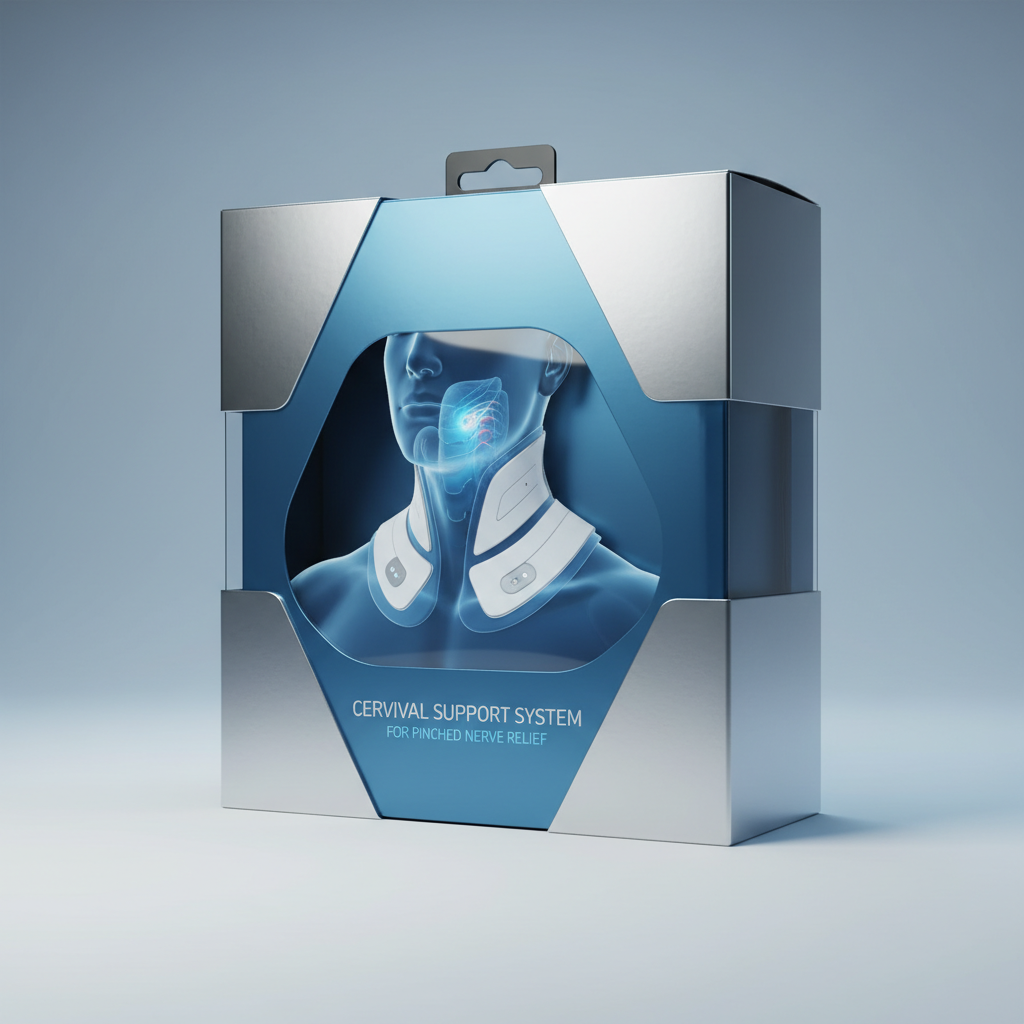
The stabilization of the cervical spine is a critical priority in emergency medicine and rehabilitative care, where the use of a cervical collar universal serves as a primary intervention to prevent secondary spinal cord injuries. By limiting the range of motion of the neck, these devices ensure that patients with suspected fractures or soft tissue injuries are kept in a neutral position, significantly reducing the risk of permanent neurological deficit.
Across the global healthcare landscape, the demand for versatile immobilization tools has surged due to an increase in vehicular accidents and a growing aging population prone to falls. A cervical collar universal is designed to bridge the gap between specialized orthopedic bracing and rapid-response emergency equipment, offering a standardized fit that can be deployed quickly across diverse patient demographics.
Understanding the mechanics, material science, and application protocols of the cervical collar universal is essential for clinicians, paramedics, and caregivers alike. By optimizing the balance between rigid support and patient comfort, modern universal collars provide a reliable foundation for recovery, ensuring that the delicate structures of the cervical vertebrae are protected during the most critical phases of treatment.
Global Relevance of Cervical Collar Universal
From a global health perspective, the deployment of the cervical collar universal is a cornerstone of the "Golden Hour" in trauma care. Data from international health organizations indicate that improper stabilization during the initial transport of trauma victims can lead to an increase in permanent paralysis. By implementing a universal sizing approach, emergency responders can reduce the time spent on fitting, which is often the most volatile period of patient care.
Furthermore, the standardization of these devices allows for seamless transitions between different levels of care—from the field to the ambulance, and finally to the surgical suite. This consistency reduces the risk of "collar changes," which are known moments of high risk for spinal movement. The universal nature of these supports ensures that regardless of the region or the facility's resource level, a baseline of safety is maintained for every patient.
Defining the Universal Cervical Support System
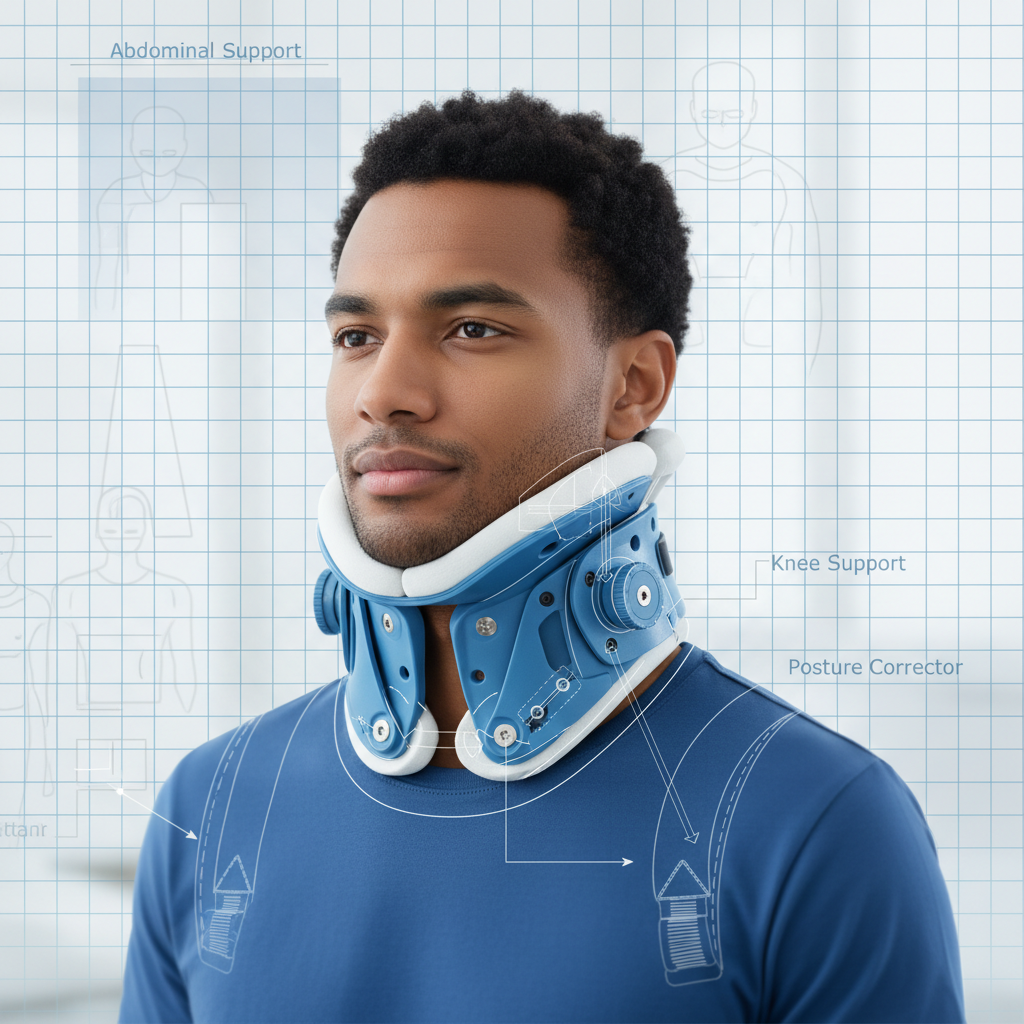
A cervical collar universal is a medical device specifically engineered to immobilize the cervical spine while remaining adaptable to a wide range of neck circumferences and heights. Unlike traditional fixed-size collars, the universal model utilizes adjustable straps, breathable foam, and rigid plastic inserts to provide a customized fit without requiring a vast inventory of different sizes.
In the context of modern humanitarian needs, this versatility is invaluable. In disaster-stricken areas or remote industrial zones where medical supplies are limited, having a single device that can fit a child, an average adult, or a larger individual ensures that no patient is left without critical support. This "one-size-fits-most" philosophy does not compromise stability but rather optimizes the logistics of emergency preparedness.
Beyond the emergency phase, the universal collar serves as a transition tool in post-operative recovery. It allows physicians to gradually adjust the level of restriction as the patient heals, moving from total immobilization to partial support. This flexibility makes the cervical collar universal a multidisciplinary tool used in orthopedics, neurology, and emergency medicine.
Core Components of Effective Stabilization
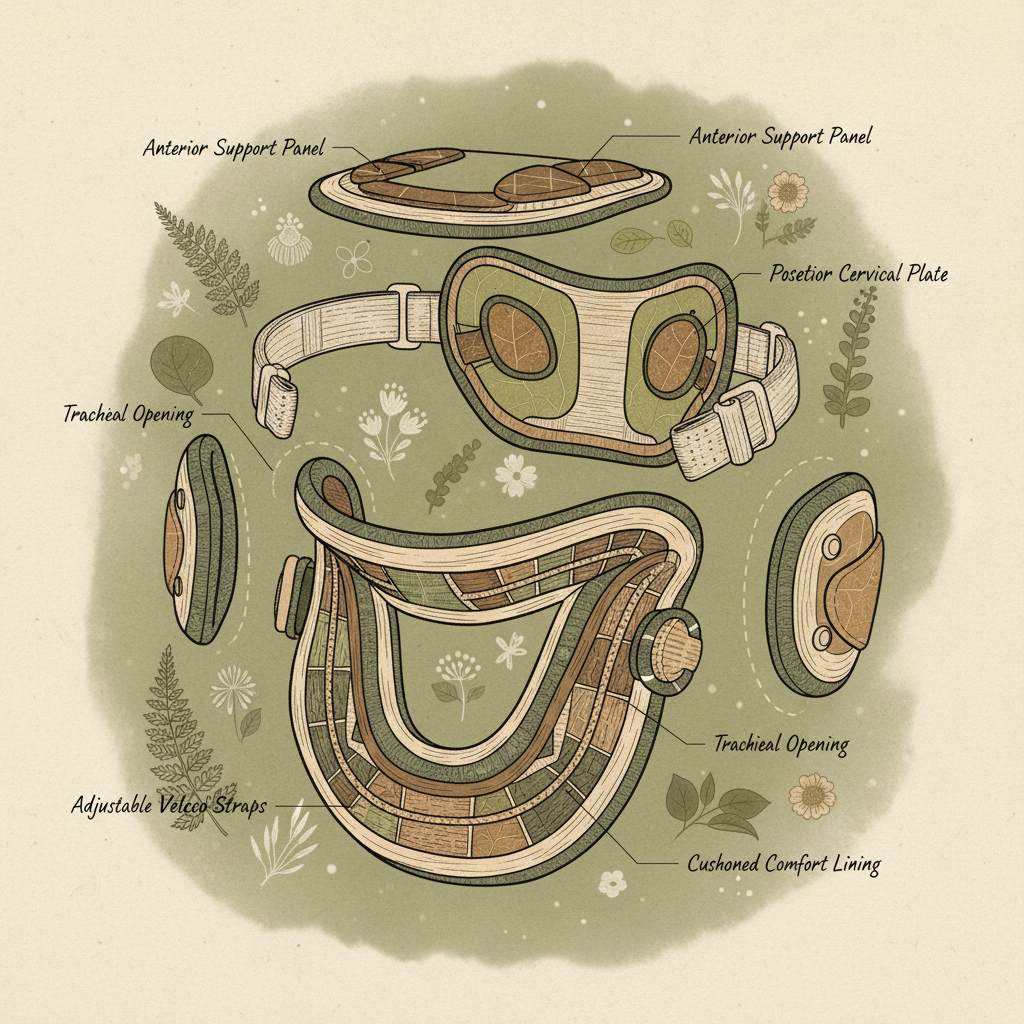
The efficacy of a cervical collar universal relies heavily on its material composition. High-density polyethylene (HDPE) is frequently used for the rigid outer shell to ensure that the neck remains locked in a neutral position, while hypoallergenic closed-cell foam prevents skin irritation and pressure sores during extended wear.
Scalability and adjustability are the hallmarks of the cervical collar universal. Through the use of heavy-duty Velcro fasteners and sliding adjustment tabs, the device can be tightened to provide maximum compression or loosened to accommodate respiratory distress, ensuring a balance between stability and patient physiological needs.
Finally, durability and moisture management are critical for long-term use. Modern universal collars incorporate perforated materials that allow for airflow, reducing the accumulation of sweat and heat. This focus on ergonomics ensures that the patient remains compliant with the wearing schedule, which is vital for the successful fusion of vertebrae or the healing of ligaments.
Practical Applications in Clinical Settings
In real-world clinical environments, the cervical collar universal is deployed across a variety of high-stakes scenarios. For instance, in sports medicine, these collars are used immediately following high-impact collisions to prevent any movement of the neck until a CT scan can rule out instability. The speed of application in these settings is paramount to prevent further trauma.
Similarly, in geriatric care facilities, the universal collar is an essential tool for managing patients who have suffered from compression fractures. Because elderly patients often have varying neck anatomy due to kyphosis, the adjustability of the universal model allows caregivers to fit the device without causing excessive pressure on the chin or throat.
Effectiveness Comparison of Cervical Support Methods
Long-Term Value and Patient Outcomes
The long-term value of utilizing a cervical collar universal extends beyond immediate immobilization. By providing a reliable and consistent level of support, these devices facilitate a more predictable healing trajectory. When a patient is properly stabilized, the inflammatory response is managed more effectively, leading to a reduction in chronic pain and a faster return to daily activities.
From a socioeconomic perspective, the universal collar reduces the overall cost of care. Hospitals no longer need to maintain expensive, multi-sized inventories of various collar brands; instead, a standardized universal model streamlines procurement and reduces waste. For the patient, the emotional security of knowing their spine is safely protected fosters a sense of trust and dignity during the recovery process.
Future Innovations in Neck Orthotics
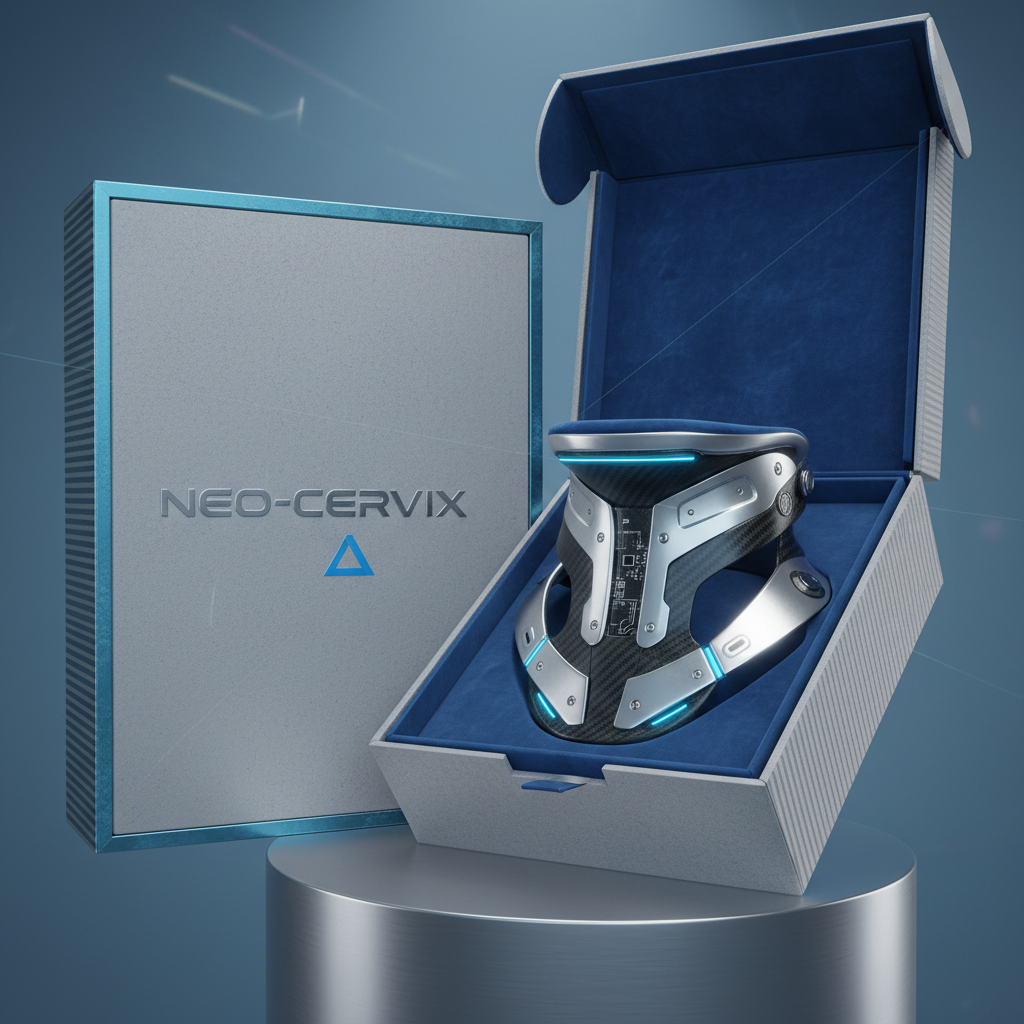
The future of the cervical collar universal is moving toward the integration of "smart" materials. We are seeing the emergence of shape-memory polymers that can adapt their rigidity based on the patient's temperature or a clinician's electronic command. This would allow a collar to be soft during application and then "lock" into a rigid state once the perfect position is achieved.
Additionally, digital transformation is playing a role through the integration of wearable sensors. Future universal collars may include pressure sensors that alert healthcare providers via a mobile app if the collar becomes too tight or if the patient attempts to move their neck beyond the allowed limit. This real-time monitoring would drastically reduce the occurrence of pressure ulcers and non-compliance.
Sustainability is also becoming a key driver in manufacturing. The industry is shifting toward biodegradable bio-plastics and recycled medical-grade polymers to reduce the environmental footprint of disposable emergency collars. These green innovations ensure that life-saving stabilization does not come at the cost of ecological health.
Overcoming Common Implementation Challenges
Despite the advantages, some challenges persist in the use of the cervical collar universal, most notably the risk of skin breakdown and the difficulty of maintaining a perfect neutral position for patients with atypical anatomy. Expert insights suggest that the key to overcoming these issues is the implementation of a strict "skin-check" protocol and the use of supplemental padding in high-pressure areas.
Another common limitation is the "false sense of security" that a collar can provide. It is crucial for medical staff to remember that a collar is a supplement to, not a replacement for, manual stabilization during the initial phase of a rescue. Training programs must emphasize that the cervical collar universal is part of a comprehensive immobilization strategy that includes backboards and head blocks.
To solve the issue of patient discomfort, manufacturers are now exploring 3D-knitted fabrics that provide better moisture-wicking properties than traditional foam. By combining the structural integrity of a rigid frame with the breathability of advanced textiles, the next generation of universal collars will solve the historical conflict between safety and comfort.
Comparative Analysis of Cervical Collar Universal Design Variations
| Design Model |
Stabilization Level |
Patient Comfort |
Application Speed |
| Standard Rigid Universal |
High (9/10) |
Moderate (5/10) |
Very Fast |
| Semi-Rigid Hybrid |
Medium (7/10) |
High (8/10) |
Fast |
| Soft-Foam Universal |
Low (3/10) |
Very High (10/10) |
Instant |
| Adjustable Pro-Series |
Extreme (10/10) |
Moderate (6/10) |
Moderate |
| Lightweight Emergency |
Medium (6/10) |
Medium (7/10) |
Very Fast |
| Pediatric-Adaptable Universal |
High (8/10) |
High (7/10) |
Fast |
FAQS
A cervical collar universal is superior because it eliminates the need for precise pre-measurement in high-stress emergency situations. Its adjustable components allow it to fit a wide spectrum of patient sizes, reducing the time to stabilization and lowering the risk of using an ill-fitting collar, which could either fail to immobilize the spine or cause airway obstruction.
The duration depends on the injury, but for acute stabilization, it is typically worn until imaging confirms spinal stability. For long-term rehabilitative use, patients must have skin checks every 4-8 hours to prevent pressure ulcers. When used as part of a prescribed recovery plan, it can be worn for several weeks, provided the fit is periodically adjusted by a professional.
While rigid collars are primarily designed for safety rather than comfort, the universal models incorporate closed-cell foam and breathable materials to mitigate discomfort. Comfort is significantly improved when the collar is correctly fitted; a collar that is too tight causes throat pressure, while one that is too loose fails to provide the necessary support.
Yes, many universal collars are designed with a wide enough adjustment range to accommodate pediatric patients. However, it is essential to ensure that the collar does not obstruct the child's airway or push the jaw too far upward, as children have different anatomical proportions than adults. Always follow pediatric-specific fitting guidelines.
For reusable models, the foam padding can typically be wiped down with mild soap and water or medical-grade disinfectant wipes. It is important to avoid harsh chemicals that could degrade the plastic shell or irritate the patient's skin. Always ensure the device is completely dry before re-application to prevent fungal growth.
Signs include the patient reporting difficulty swallowing, redness or skin irritation on the chin or occiput, or visible gaps between the collar and the neck. If the patient's head is tilting forward or backward despite the collar, the tension needs to be increased. Regular reassessment is key to maintaining both safety and comfort.
Conclusion
The cervical collar universal represents a critical intersection of medical engineering and emergency pragmatism. By offering a versatile, scalable solution for spinal immobilization, it ensures that the highest standard of care is accessible regardless of the patient's size or the setting of the injury. From the use of high-performance polymers to the potential integration of smart sensors, the evolution of these devices continues to enhance patient safety and clinical efficiency.
As we look toward the future, the emphasis will likely shift toward personalized orthotics and sustainable materials, further refining the balance between rigid stabilization and patient dignity. For healthcare providers and distributors, investing in high-quality universal stabilization tools is not just a matter of logistics, but a commitment to preventing life-altering injuries. To explore our range of professional orthopedic solutions, visit our website: www.jhorthopedic.com