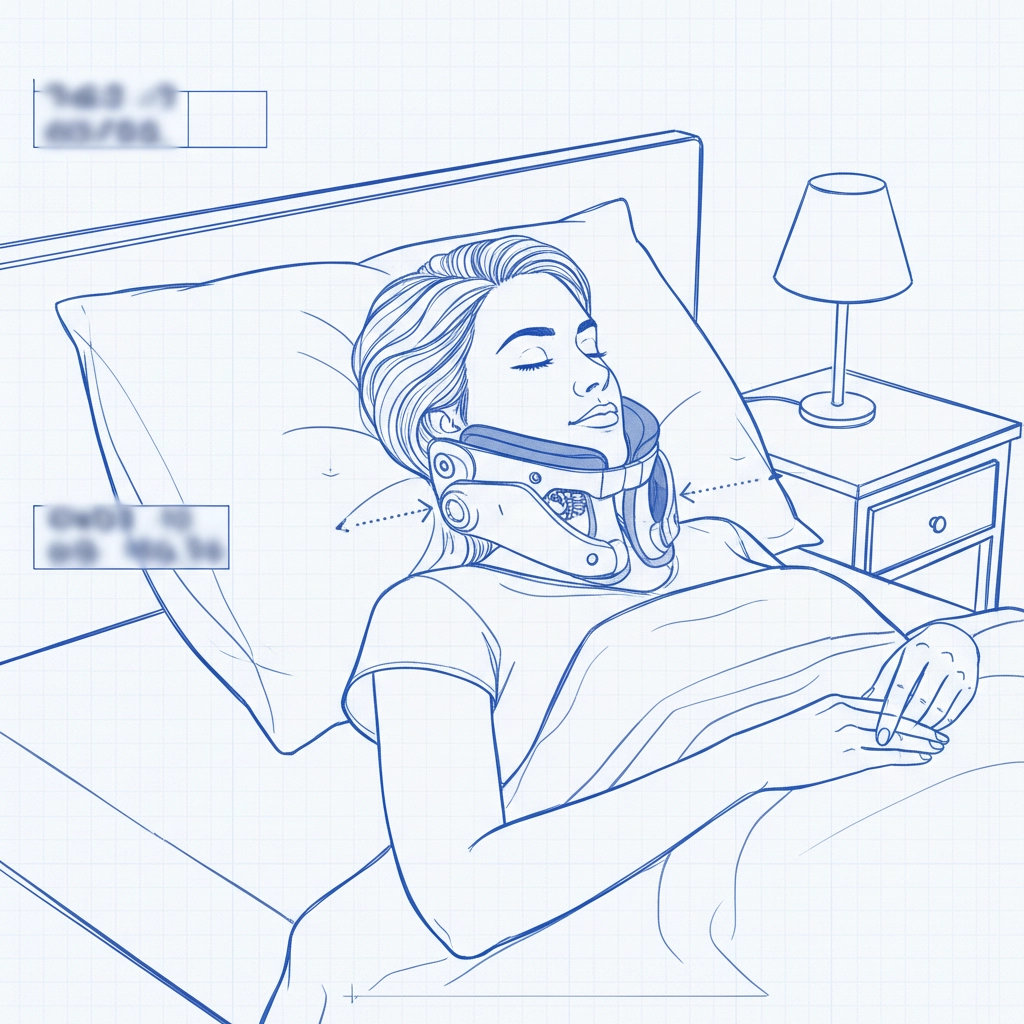
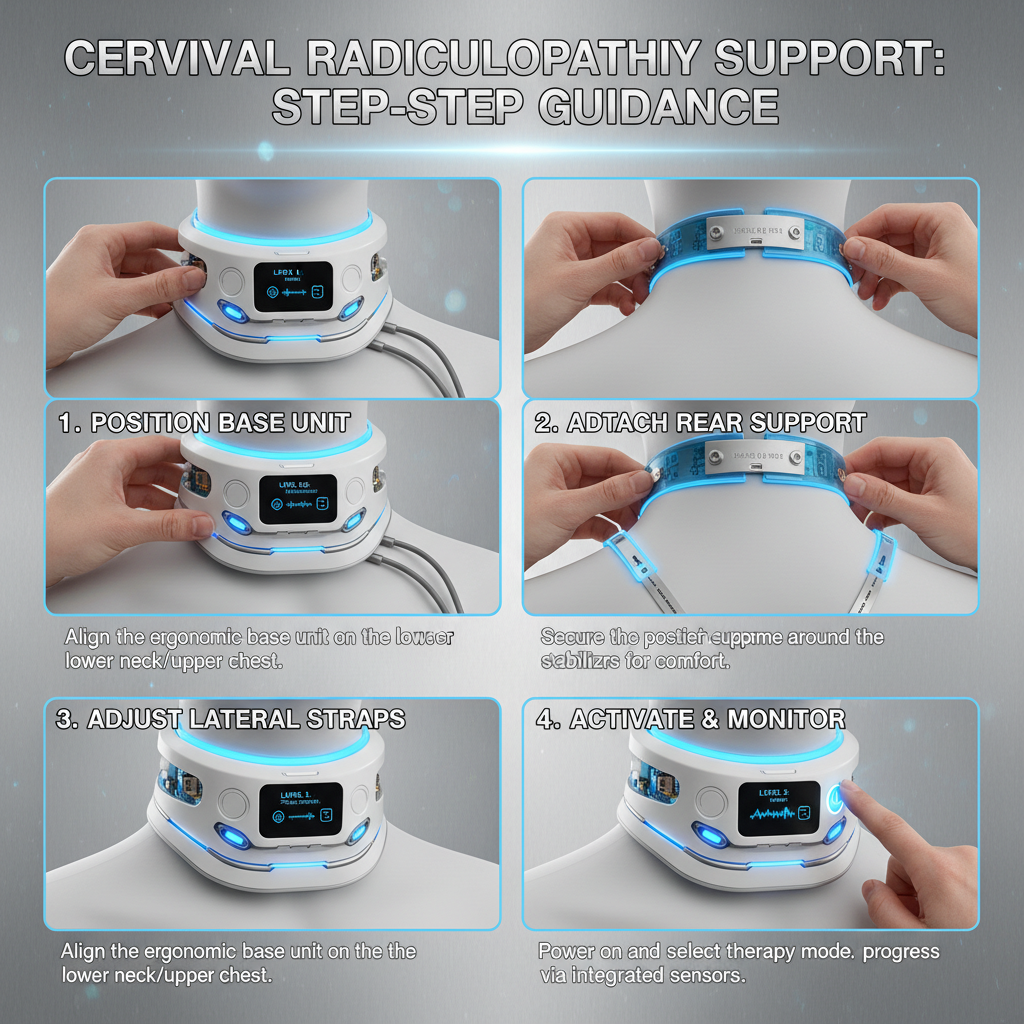
Maintaining spinal alignment is a critical aspect of recovery and chronic pain management, particularly when dealing with cervical instabilities or postoperative recovery. The use of a cervical collar while sleeping ensures that the neck remains in a neutral position, preventing accidental movements that could exacerbate injuries or hinder the healing process during the body's most vulnerable state of rest.
Globally, the rise in sedentary lifestyles and the prevalence of "tech-neck" have led to an increase in cervical spine disorders, making nocturnal support a necessity for millions. When a patient wears a cervical collar while sleeping, they are not just restricting movement; they are actively promoting a stable environment for soft tissue repair and nerve decompression, which is essential for long-term mobility and quality of life.
Understanding the nuances of nocturnal neck support—from material breathability to the degree of immobilization—allows users to balance the clinical necessity of stability with the physiological need for restorative sleep. By integrating the right orthopedic support, individuals can transition from acute pain to a state of sustained recovery without the risk of nocturnal relapse.
The Clinical Importance of Cervical Collar While Sleeping
From a clinical perspective, the primary objective of using a cervical collar while sleeping is the prevention of uncontrolled cervical flexion, extension, and rotation. During deep sleep, the muscles that normally support the head relax, which can lead to the head tilting at awkward angles. For patients with cervical spondylosis or those recovering from a whiplash injury, this lack of support can lead to nerve impingement and waking up with severe stiffness or radiating pain.
By maintaining a neutral spinal alignment throughout the night, these devices reduce the mechanical stress on the intervertebral discs and ligaments. This stabilization is not merely about comfort; it is a therapeutic intervention that facilitates the reduction of inflammation and prevents the progression of degenerative disc disease by limiting the micro-trauma that occurs during tossing and turning.
Core Components of Night-Time Neck Support
The effectiveness of a device designed for a cervical collar while sleeping depends on several key structural factors. First is the degree of immobilization; depending on the injury, a user may need a soft foam collar for mild support or a rigid thermoplastic collar for complete stabilization. The balance between restriction and comfort is vital, as overly restrictive collars may cause sleep apnea or extreme discomfort, while too soft a collar may fail to protect the spine.
Another critical component is the ergonomic contouring. A high-quality night collar must account for the natural curvature of the cervical lordosis. If the device pushes the chin too far up or allows it to drop too low, it can create secondary tension in the trapezius muscles. Proper fitting ensures that the weight of the head is distributed evenly across the shoulders and chest, rather than concentrating pressure on the vertebrae.
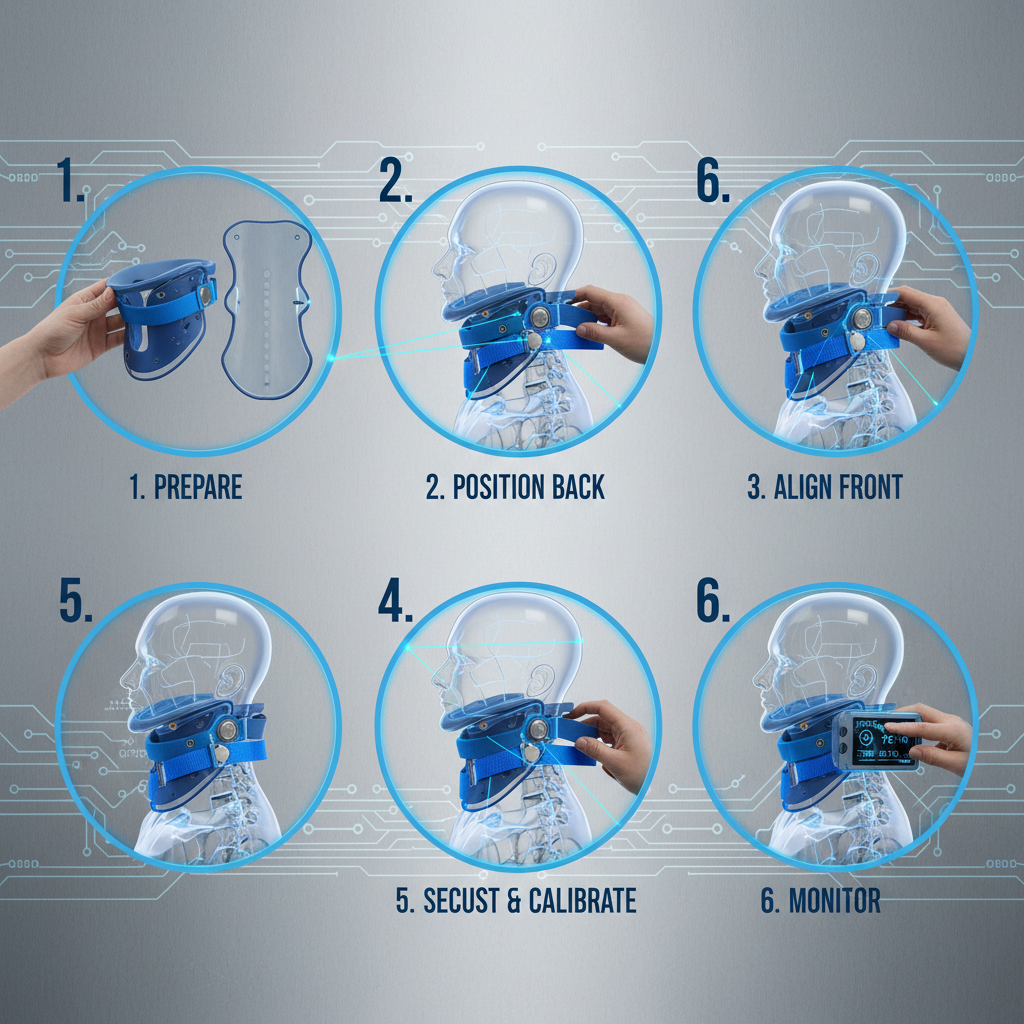
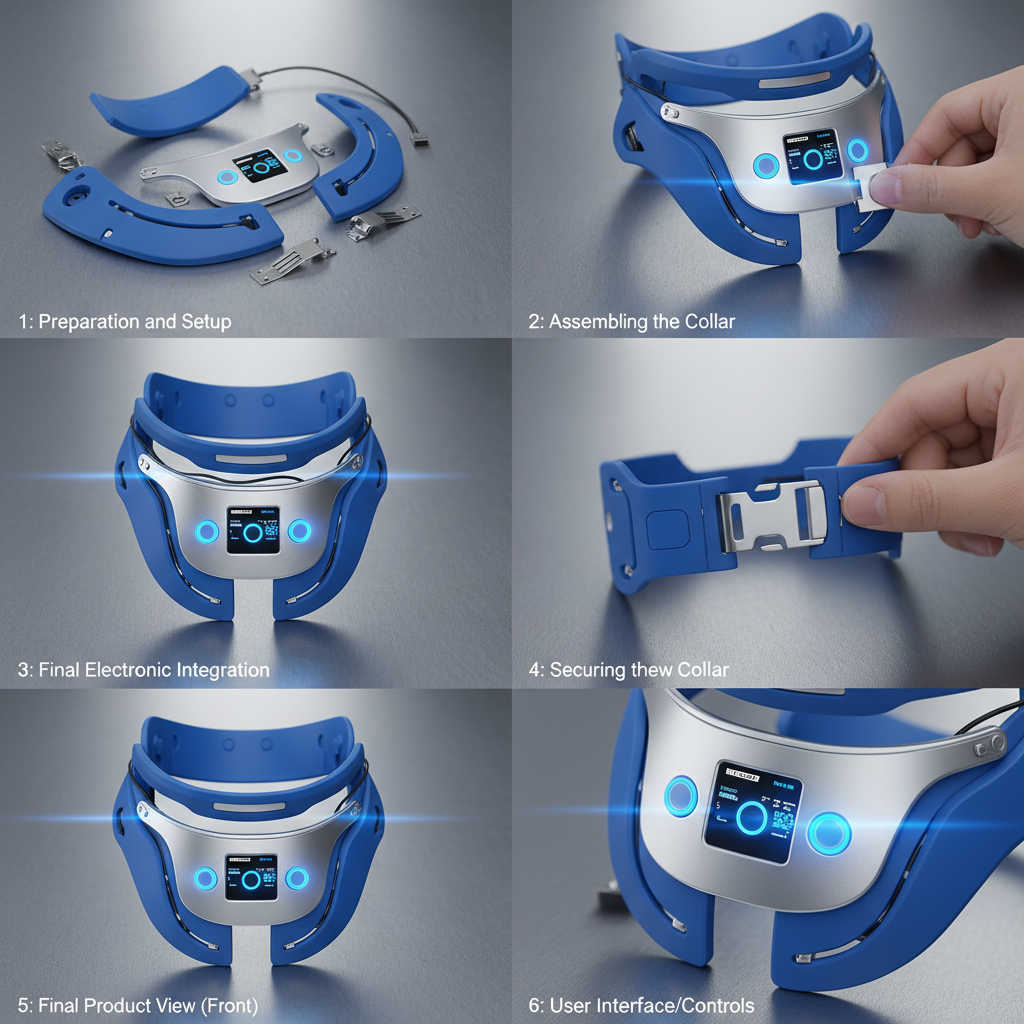
Lastly, the fastening mechanism plays a pivotal role in safety and consistency. Adjustable hook-and-loop straps allow for precise tensioning, ensuring the collar does not shift during movement. For those using a cervical collar while sleeping, the ability to micro-adjust the fit ensures that the device remains effective from the moment they fall asleep until they wake up, regardless of their sleeping position.
Material Science in Nocturnal Orthotics
The selection of materials for a cervical collar while sleeping is a delicate balance between structural rigidity and skin health. Traditional foams have evolved into medical-grade, hypoallergenic materials that minimize the risk of contact dermatitis during prolonged overnight wear.
Advanced moisture-wicking fabrics are now integrated into the inner lining of the cervical collar while sleeping to combat heat buildup. Since the neck is a high-heat area, the integration of breathable, perforated meshes prevents sweat accumulation, which otherwise could lead to skin irritation and disrupt the sleep cycle.
Furthermore, the use of memory foam with a high density-to-softness ratio allows the device to mold to the user's specific anatomy while providing consistent resistance. This ensures that the cervical collar while sleeping offers personalized support that adapts to the user's movements without sacrificing the necessary immobilization.
Comparative Analysis of Stabilization Methods
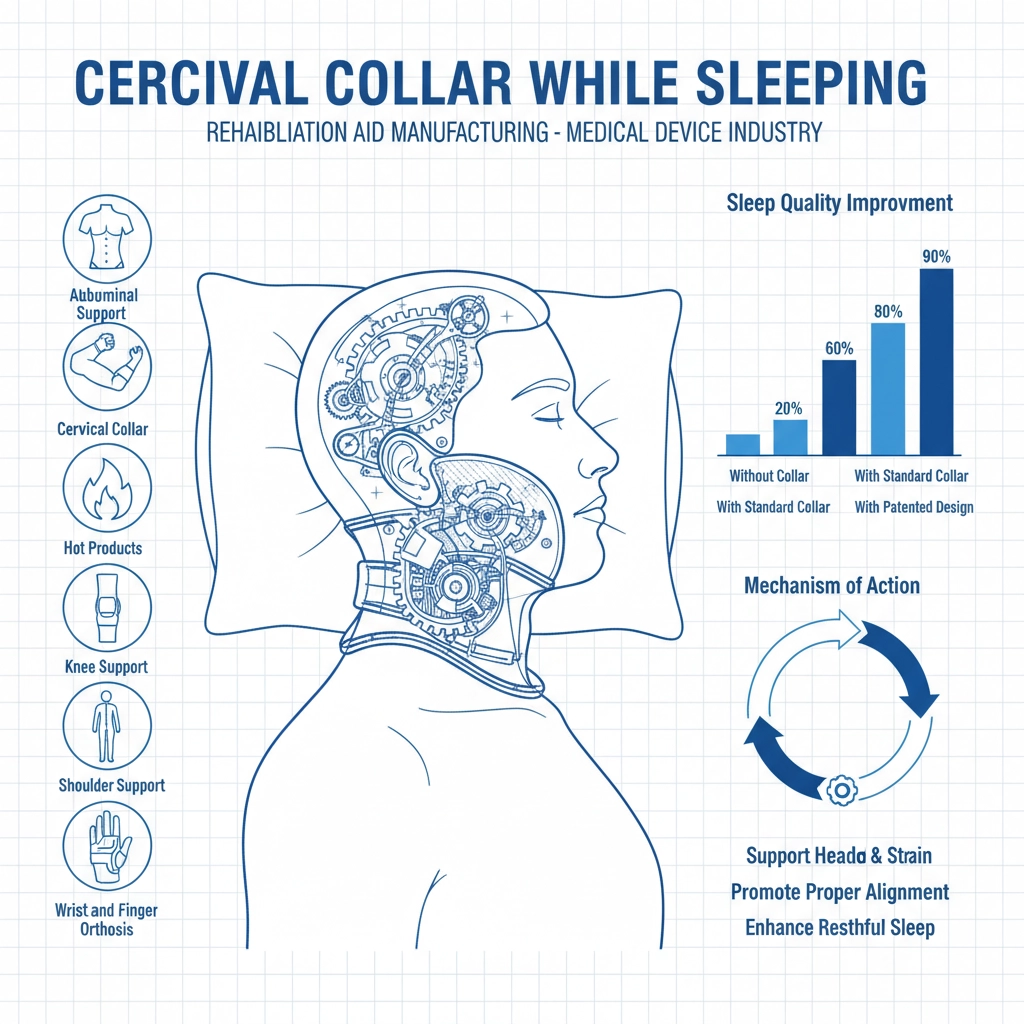
When evaluating different approaches to using a cervical collar while sleeping, clinicians often weigh the trade-offs between soft, semi-rigid, and rigid options. Soft collars are generally preferred for mild strain and comfort, whereas semi-rigid models provide the stability needed for moderate disc herniations. Rigid collars are reserved for post-surgical cases where any movement could compromise the integrity of the fusion or hardware.
The choice of device significantly impacts the patient's recovery trajectory and sleep quality. For instance, while a rigid collar provides the highest level of safety, it may require a more specialized pillow to prevent the user from feeling restricted, whereas a soft collar blends more seamlessly with standard bedding.
Effectiveness Rating of Support Methods for Cervical Collar While Sleeping
Global Applications in Rehabilitation
The implementation of a cervical collar while sleeping varies significantly across different healthcare systems. In advanced rehabilitation centers in North America and Europe, the use of precision-fitted orthotics is integrated into a multidisciplinary approach involving physical therapy and sleep study monitoring to ensure that respiratory function is not compromised during the night.
In contrast, in emerging markets or remote industrial zones where access to specialized clinics is limited, standardized, high-durability collars are deployed as a primary means of preventing secondary injuries after workplace accidents. In these contexts, the ease of application and durability of the cervical collar while sleeping make it an indispensable tool for workers returning to health in challenging environments.
Long-Term Value of Consistent Nocturnal Support
The long-term value of utilizing a cervical collar while sleeping extends beyond immediate pain relief. By consistently maintaining the anatomical alignment of the neck, users can prevent the acceleration of spinal degeneration. When the vertebrae are properly supported, the load is evenly distributed, which reduces the likelihood of developing osteophytes (bone spurs) that often occur when the spine is chronically misaligned during sleep.
From a psychological perspective, the security provided by a nocturnal collar reduces "sleep anxiety"—the fear of moving the wrong way and waking up in pain. This emotional reassurance allows for deeper REM sleep, which is when the most significant physiological repair occurs. Therefore, the cervical collar while sleeping serves as both a physical shield and a mental catalyst for recovery.
Moreover, the economic impact of consistent support is tangible. By preventing setbacks and reducing the need for emergency interventions or prolonged hospitalizations, patients can return to the workforce faster. The reliability of a high-quality collar transforms a precarious recovery into a predictable journey toward health.
Future Innovations in Cervical Stabilization
The future of using a cervical collar while sleeping is moving toward "smart" orthotics. We are seeing the emergence of integrated sensors that can monitor head position in real-time and alert the user or a caregiver via a smartphone app if the neck shifts into a dangerous angle. This digital transformation turns a passive support device into an active monitoring system.
Sustainability is also becoming a priority in manufacturing. New biodegradable polymers and recycled medical-grade fabrics are being developed to reduce the environmental footprint of disposable components. These "green" cervical collars while sleeping offer the same level of immobilization while aligning with global ESG (Environmental, Social, and Governance) standards.
Furthermore, 3D scanning and printing are allowing for the creation of bespoke collars that fit a patient's unique anatomy with micron-level precision. This removes the "trial and error" phase of fitting, ensuring that every user of a cervical collar while sleeping experiences maximum efficacy and minimum irritation from day one.
Analysis of Nocturnal Cervical Support Options Across Patient Profiles
| Patient Condition |
Recommended Collar Type |
Immobilization Level |
Comfort Score (1-10) |
| Mild Cervical Strain |
Soft Foam Collar |
Low |
9 |
| Herniated Disc (Moderate) |
Semi-Rigid Collar |
Medium |
7 |
| Post-Surgical Fusion |
Rigid Thermoplastic |
High |
4 |
| Whiplash Recovery |
Adjustable Soft Collar |
Low-Medium |
8 |
| Chronic Spondylosis |
Contoured Memory Foam |
Medium |
8 |
| Cervical Instability |
Custom Molded Collar |
High |
6 |
FAQS
Yes, provided the collar is prescribed by a healthcare professional and fits correctly. While long-term use of rigid collars can lead to muscle atrophy, using a cervical collar while sleeping for the duration of a recovery period is often essential to prevent reinjury. Always consult your doctor to determine the appropriate duration of use.
Ensure that the straps are tightened securely but not so tight that they restrict breathing. Using a specialized orthopedic pillow that supports the base of the collar can also prevent it from sliding. Additionally, choosing a collar with a non-slip inner lining can significantly improve stability while you sleep.
If the collar is too tight or pushes the chin too far forward, it may partially obstruct the airway, especially for those with existing sleep apnea. It is crucial to have a professional fitting. If you experience shortness of breath or excessive snoring, contact your physician immediately to adjust the collar's height or tension.
Sleeping on your back is generally the most recommended position for those using a cervical collar while sleeping, as it minimizes the lateral pressure on the device. If you must sleep on your side, use a pillow that fills the gap between your shoulder and the collar to keep your head perfectly vertical.
Because the neck area produces sweat and oils, collars used while sleeping should be cleaned regularly. Soft collars can often be hand-washed with mild soap, while rigid collars should be wiped down with medical-grade disinfectant wipes daily to prevent skin breakouts and maintain hygiene.
Extended use of any immobilization device can lead to some muscle weakening. This is why wearing a cervical collar while sleeping is typically paired with a daytime physical therapy regimen. The goal is to protect the spine at night while actively strengthening the muscles during the day to regain independence.
Conclusion
Integrating a cervical collar while sleeping into a recovery plan is a strategic decision that bridges the gap between daytime therapy and overnight healing. By prioritizing spinal alignment, utilizing advanced breathable materials, and selecting the appropriate level of immobilization, patients can significantly reduce the risk of nocturnal relapse and accelerate their journey toward full mobility.
As we look toward a future of smart orthotics and personalized 3D-printed supports, the focus remains on balancing clinical efficacy with human comfort. We encourage anyone suffering from cervical instability to seek professional guidance and invest in high-quality support to ensure every hour of sleep contributes to their long-term health. Visit our website for more professional solutions: www.jhorthopedic.com