The stability of the cervical spine is paramount to overall neurological health and physical mobility. A high-quality cervical collar neck support serves as a critical intervention tool, designed to limit excessive head and neck movement while maintaining a neutral anatomical alignment. Whether used in acute trauma recovery or for chronic pain management, the right support system prevents further injury and accelerates the healing process by reducing the load on the vertebral discs and ligaments.
Globally, the demand for orthopedic stabilization devices has surged due to an increase in vehicular accidents and the sedentary nature of modern digital work, which contributes to "tech-neck" and degenerative disc disease. Implementing a medical-grade cervical collar neck support ensures that patients receive the precise immobilization required to prevent permanent nerve damage or chronic instability. Understanding the nuances of these devices—from soft foam supports to rigid orthotic collars—is essential for healthcare providers and patients alike.
By integrating ergonomic design with advanced biocompatible materials, the modern cervical collar neck support transcends simple bracing; it becomes a rehabilitative partner. The benefits extend beyond mere physical restriction, offering patients the psychological confidence to recover knowing their spinal integrity is protected. This comprehensive guide explores the industry standards, technical components, and evolving trends that define the current landscape of cervical orthotics.
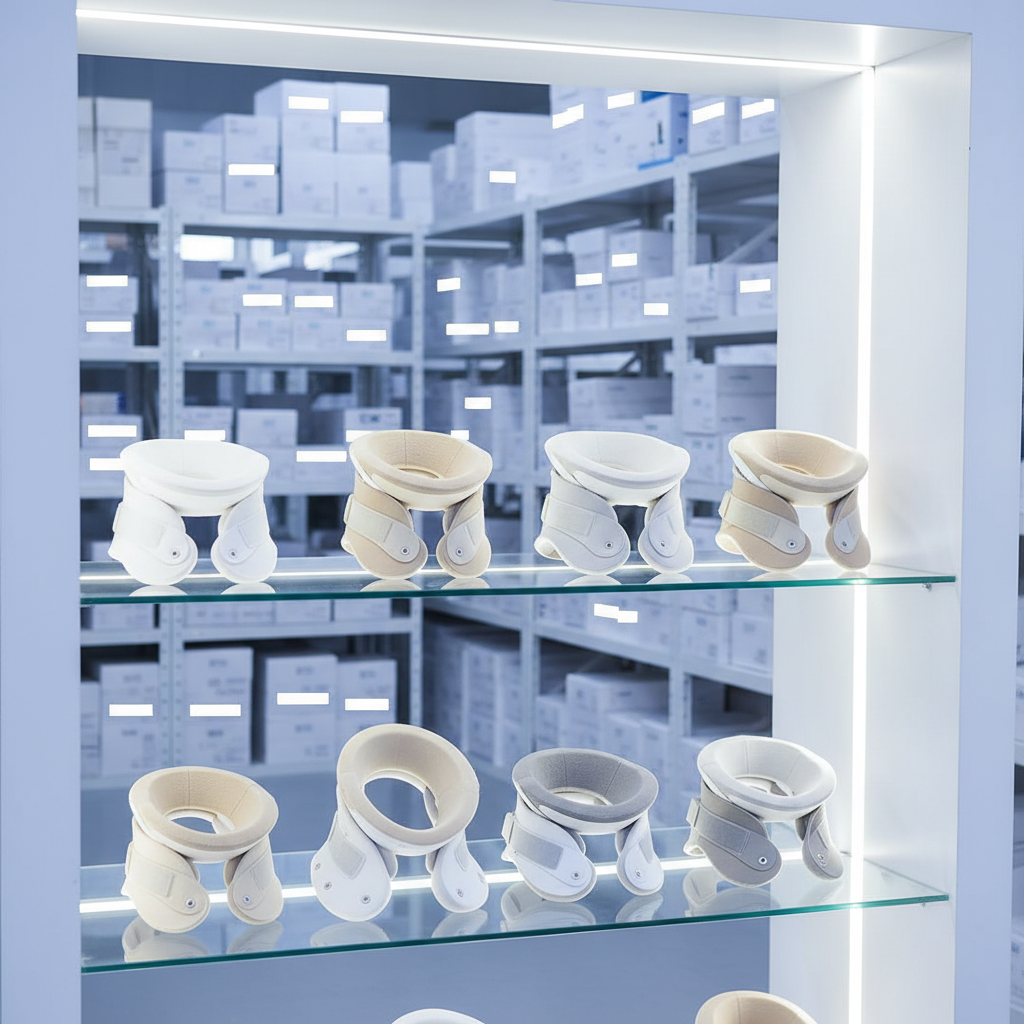
Global Relevance and Clinical Context of Neck Support
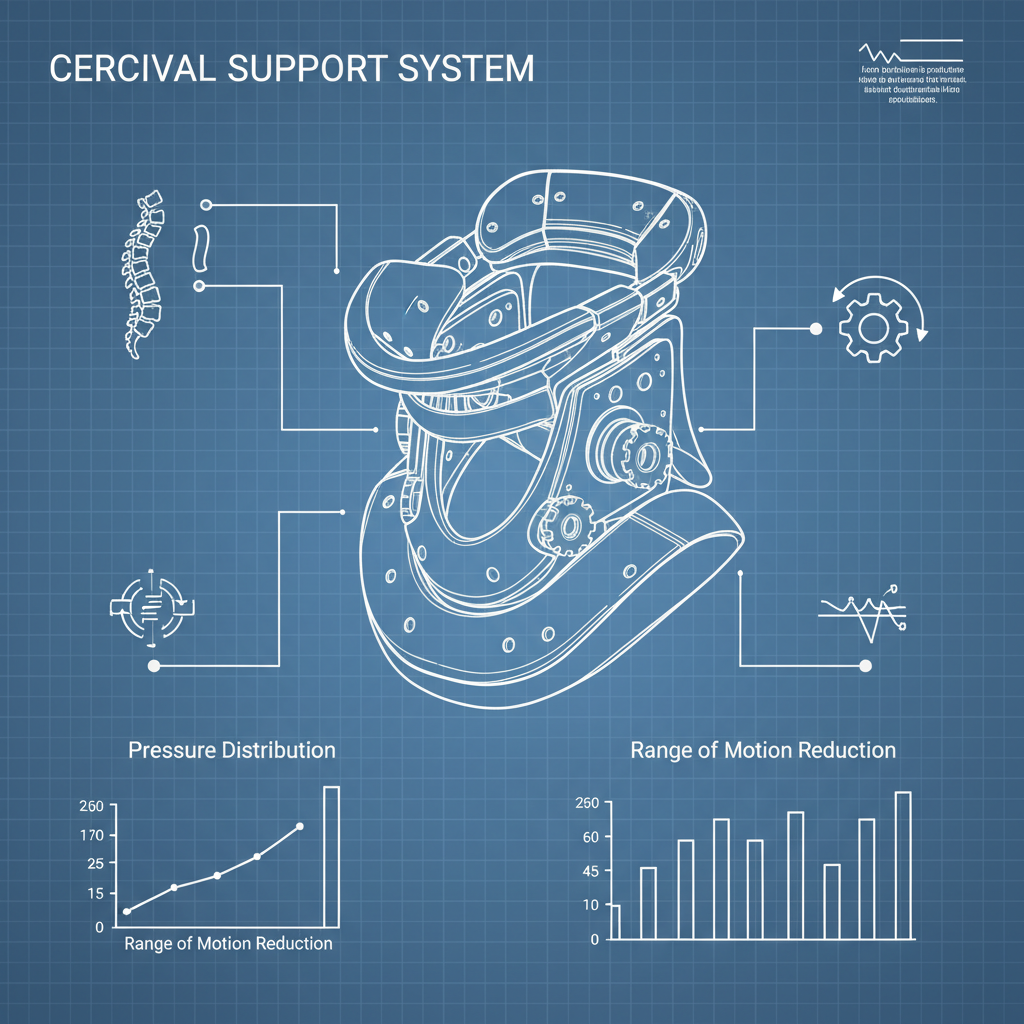
The global prevalence of cervical spine injuries is a significant public health challenge, with ISO standards increasingly focusing on the efficacy of immobilization devices. Data suggests that early and correct application of a cervical collar neck support can reduce the risk of secondary spinal cord injury by up to 30% in emergency settings. As populations age and the incidence of osteoarthritis increases, the clinical necessity for reliable neck stabilization has expanded from trauma centers to home-care environments.
Beyond acute trauma, the modern workforce faces a silent epidemic of cervical strain. The integration of orthopedic supports in occupational health programs highlights the shift toward preventative care. By utilizing a cervical collar neck support during recovery phases, patients can avoid the cycle of chronic inflammation and nerve compression, ensuring a faster return to productivity and a higher quality of life.
FAQS
The choice depends on the level of immobilization required. Soft collars are typically used for minor strains, whiplash, or as a reminder to maintain posture. Rigid collars (like the Philadelphia collar) are prescribed for suspected fractures, post-surgical stabilization, or severe instability. Always consult a physician to determine the correct grade of support for your specific injury.
Yes, prolonged use of a rigid collar can lead to muscle atrophy because the support takes over the job of the neck muscles. This is why physicians usually implement a "weaning" process, where the wear-time is gradually reduced and replaced with targeted physical therapy exercises to rebuild strength and flexibility.
A proper fit means the collar should snugly support the jawline and the base of the skull without compressing the airway or the carotid arteries. There should be no gaps between the chin and the support, and the straps should be tight enough to prevent sliding but loose enough to allow for normal breathing and swallowing.
Depending on the medical order, some patients must wear their collar 24/7, including during sleep. In these cases, using a supportive pillow that keeps the spine neutral is recommended. If your doctor has indicated that the collar is only for daytime activity, it should be removed before bed to avoid skin irritation and discomfort.
Most cervical collars have a removable fabric liner that can be hand-washed with mild soap. For the rigid plastic components, wiping with a damp cloth and a mild disinfectant is usually sufficient. Avoid using harsh chemicals that could degrade the medical-grade polymers or irritate the skin upon contact.
In some cases, yes. Tension headaches are often caused by muscle strain in the upper cervical region. A soft support can provide temporary relief by reducing the load on the suboccipital muscles. However, this is usually a short-term solution and should be combined with ergonomic adjustments and physical therapy.
Conclusion
In summary, the cervical collar neck support is far more than a simple brace; it is a precision instrument essential for spinal stabilization, trauma recovery, and long-term neurological protection. From the critical role of material durability and breathability to the integration of smart sensors and sustainable manufacturing, the evolution of these devices continues to improve patient outcomes worldwide. By balancing the need for rigid immobilization with the necessity of patient comfort, modern orthotics provide a reliable pathway toward full recovery and pain management.
Looking forward, the synergy between 3D printing and telehealth will likely make personalized cervical support the industry standard, ensuring that every patient receives a device tailored to their unique anatomy. We encourage patients and healthcare providers to prioritize medical-grade supports that adhere to global safety standards to ensure maximum efficacy. To explore our range of professional orthopedic solutions and find the perfect fit for your recovery needs, visit our website: www.jhorthopedic.com
Related Posts
-
Best Cervical Collar for Pinched Nerve to Relieve Neck Pain
-
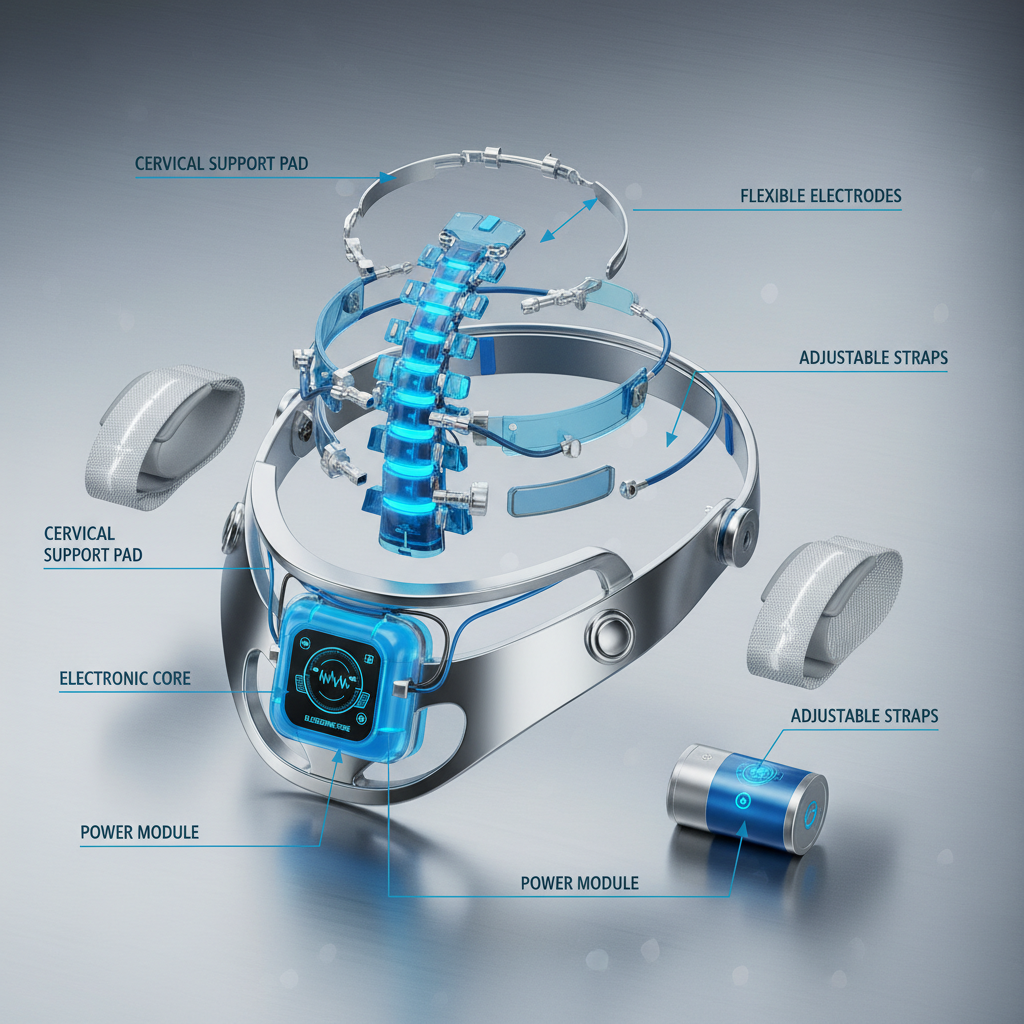
Advancements in Ortho Collar Technology for Enhanced Cervical Spine Support
-
Effective Management of Herniated Discs with a Cervical Collar for Herniated Disc
-
Understanding the Critical Role of the Orthopedic Neck Collar in Spine Stabilization