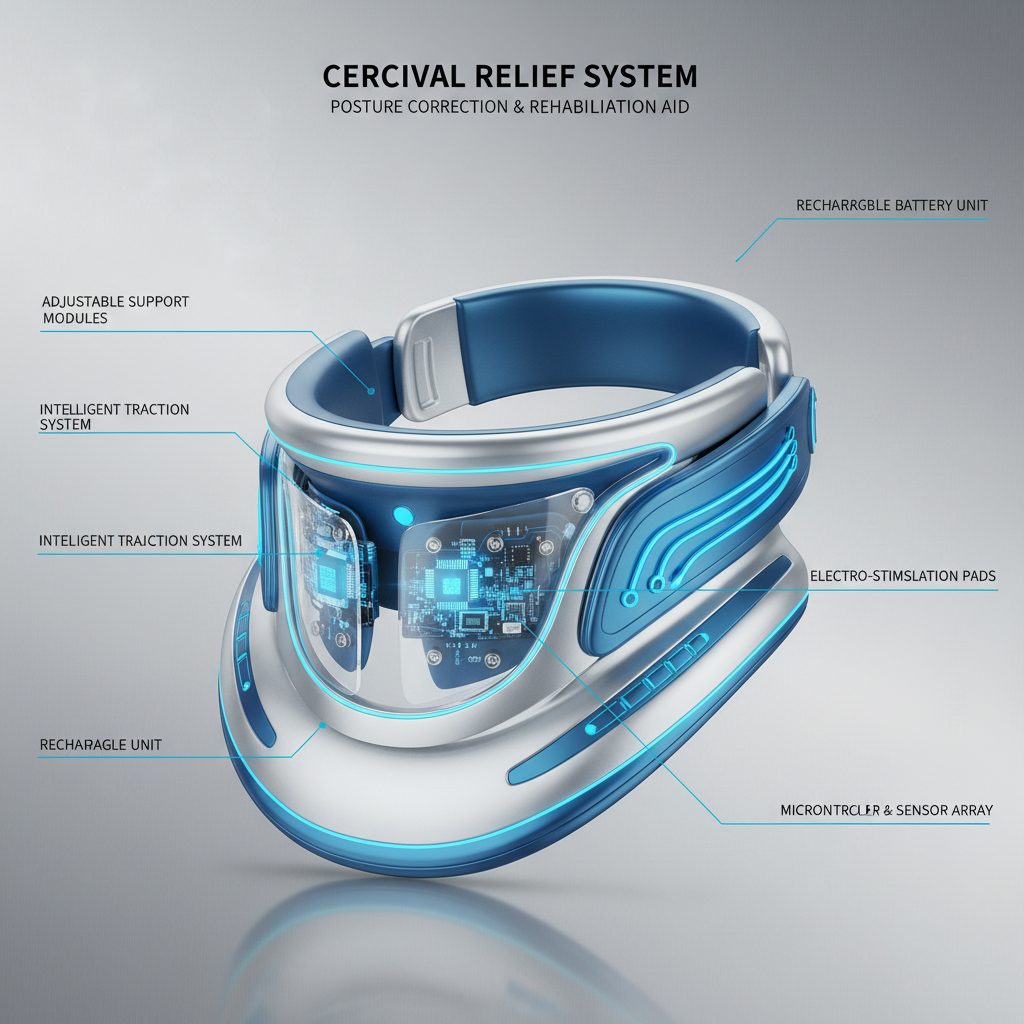
The management of cervical spine disorders has evolved significantly with the introduction of the cervical decompression collar, a specialized orthopedic device designed to alleviate pressure on the spinal discs and nerves. By providing structured support and creating a gentle traction effect, these collars help patients recover from chronic neck pain, herniated discs, and degenerative disc disease without immediate recourse to invasive surgery.
Globally, the prevalence of "tech neck" and workplace-related postural strain has surged, making the need for effective non-surgical intervention more critical than ever. Understanding the mechanics of a cervical decompression collar is essential for healthcare providers and patients alike to ensure that the device is used correctly to achieve maximum therapeutic decompression and stabilization.
Integrating these devices into a comprehensive rehabilitation plan offers a path toward restored mobility and improved quality of life. By shifting the weight of the head off the cervical vertebrae, the cervical decompression collar facilitates the natural healing process, reducing inflammation and preventing further neurological impairment.
Global Impact and Industry Context of Cervical Decompression
The global burden of musculoskeletal disorders is a growing concern for the World Health Organization (WHO), with neck pain being one of the leading causes of disability worldwide. The rise of digital transformation has led to an epidemic of cervical misalignment, where prolonged screen use compresses the cervical spine. In this context, the cervical decompression collar serves as a vital tool in reducing the socioeconomic impact of chronic pain and productivity loss.
Industry standards, such as those outlined by ISO for medical devices, emphasize the need for biocompatible materials and precise ergonomic design. As populations age, the incidence of cervical spondylosis increases, creating a substantial demand for scalable, home-based decompression solutions that can bridge the gap between acute clinical care and long-term wellness.
Defining the Cervical Decompression Collar Mechanism
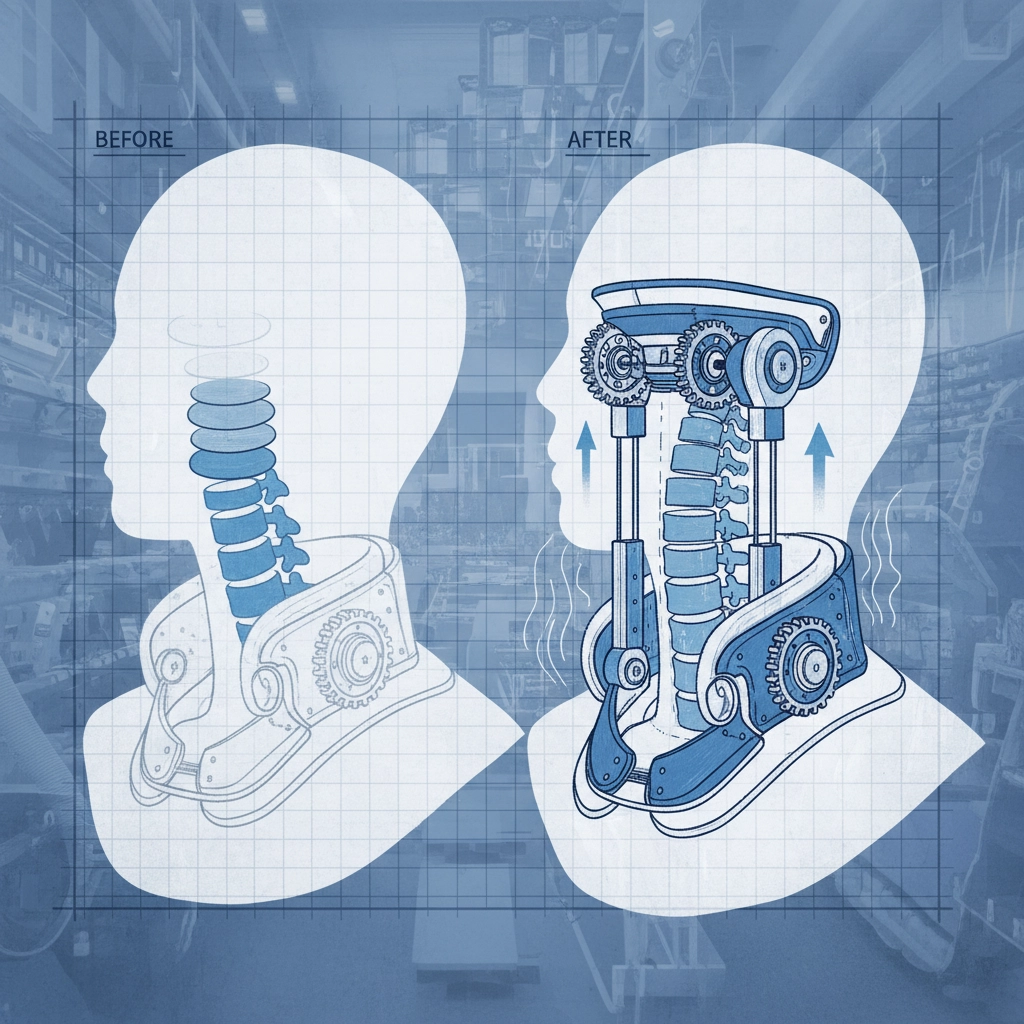
A cervical decompression collar is a specialized orthopedic brace designed to provide structural support to the neck while creating a mechanical separation between the cervical vertebrae. Unlike standard soft collars used for simple immobilization, a decompression collar focuses on the "off-loading" principle, which redistributes the weight of the skull away from the compressed discs.
This mechanism is critical for addressing conditions like cervical radiculopathy, where a pinched nerve causes radiating pain into the arms. By maintaining a specific angle of extension and providing upward lift, the collar helps to widen the intervertebral foramen, allowing the disc material to retract and reducing the pressure on sensitive neural tissues.
In the modern industrial landscape, these devices are seen as humanitarian necessities in ergonomics, helping millions avoid the high costs and risks associated with spinal surgery. The synergy of medical-grade polymers and anatomical contouring ensures that the decompression is consistent and safe for extended wear.
Core Components of Effective Spinal Support
The efficacy of a cervical decompression collar depends heavily on its material durability. High-density EVA foam or medical-grade plastics are often used to ensure that the device does not collapse under the weight of the head, thereby maintaining the necessary decompression gap throughout the day.
Scalability in sizing is another core component. Because every patient's neck circumference and chin-to-sternum distance differ, a high-quality collar must offer adjustable straps and customizable padding to prevent skin irritation while ensuring the decompression force is applied uniformly.
Finally, cost-efficiency and skin breathability play a major role in patient adherence. The integration of moisture-wicking fabrics and perforated liners prevents dermatitis, ensuring that the therapeutic benefits of the cervical decompression collar are not negated by discomfort or hygiene issues.
Clinical Applications and Use Cases
The application of the cervical decompression collar spans across various medical and professional environments. In clinical rehabilitation centers, it is frequently used post-operatively to stabilize the spine, while in corporate wellness programs, it is recommended for employees suffering from severe postural strain due to sedentary office work.
Beyond the office, these devices are invaluable in remote industrial zones where access to daily physiotherapy is limited. For example, workers in heavy machinery or mining sectors often develop cervical compression due to vibration and awkward postures; providing them with a reliable decompression tool can prevent long-term disability and maintain workforce stability.
Comparative Efficacy of Cervical Decompression Collar Methods
Long-Term Value of Non-Invasive Decompression
The primary long-term value of utilizing a cervical decompression collar lies in the preservation of natural spinal integrity. By avoiding the scars and potential complications of fusion surgery, patients maintain more natural range of motion and avoid the "adjacent segment disease" often seen in surgical patients.
From a psychological perspective, the autonomy provided by a home-use device fosters a sense of dignity and control over one's health. The reliability of non-invasive decompression reduces the anxiety associated with chronic pain, allowing users to return to social and professional activities with increased confidence and reduced physical dependence.
Future Innovations in Orthopedic Bracing
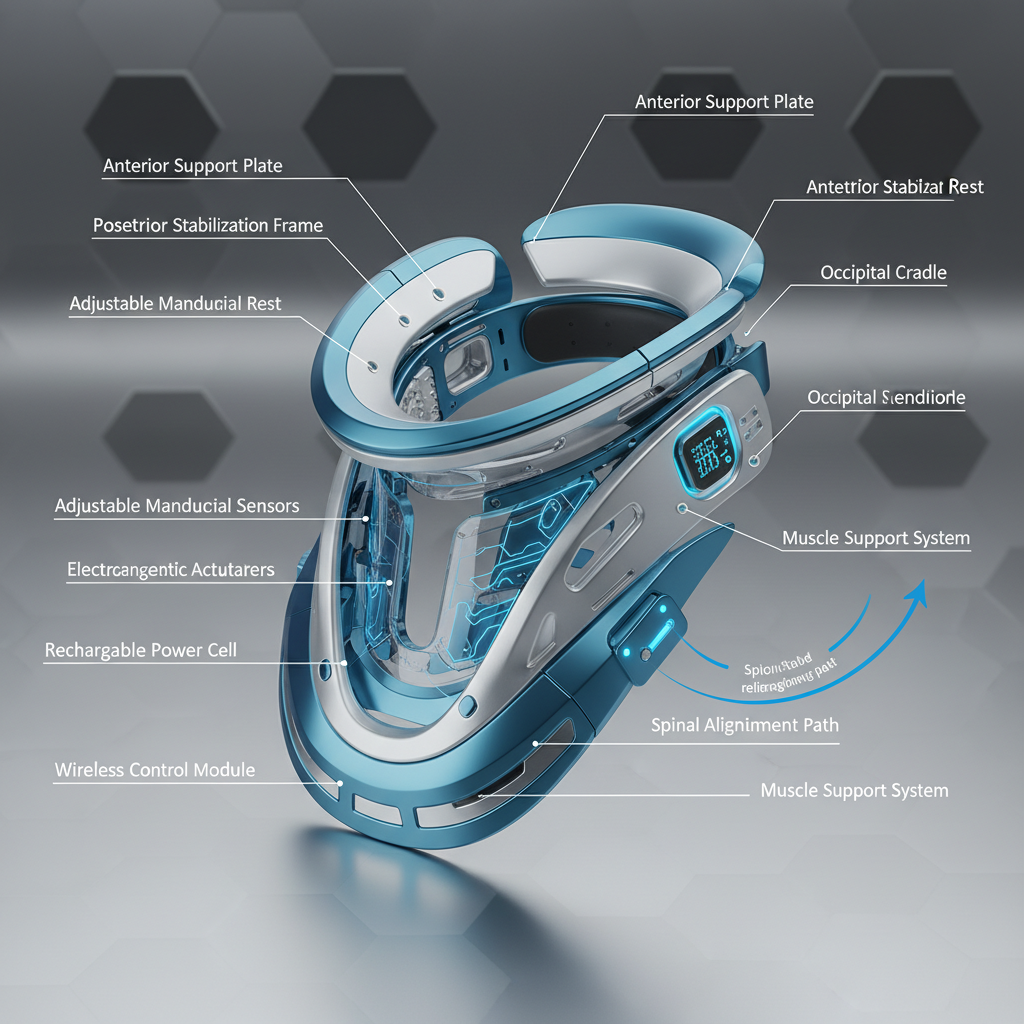
The future of the cervical decompression collar is leaning heavily toward the integration of "smart materials." Shape-memory alloys and adaptive polymers are being developed that can adjust the decompression force in real-time based on the user's posture and muscle tension, ensuring optimal alignment without manual adjustment.
Digital transformation is also playing a role through the addition of embedded sensors. These sensors can track wear-time and the angle of the neck, syncing data to a clinician's app to ensure the patient is adhering to the prescribed therapy. This shift toward "connected orthotics" transforms a static brace into a dynamic diagnostic tool.
Sustainability is another key trend, with manufacturers moving toward biodegradable, medical-grade recycled plastics. The goal is to create a circular economy in medical device manufacturing, reducing the environmental footprint of disposable foam components while maintaining the highest standards of patient safety.
Overcoming Challenges in Patient Compliance
Despite the benefits, a common challenge with the cervical decompression collar is the initial discomfort and the perceived bulkiness of the device. Many users struggle with the "claustrophobic" feeling of a rigid brace, leading to inconsistent usage and suboptimal results.
To solve this, experts recommend a gradual "wearing schedule," starting with short intervals and slowly increasing duration. Furthermore, integrating educational content that explains why the decompression is happening helps patients tolerate the initial discomfort in exchange for the long-term relief of nerve pressure.
Innovation in low-profile designs is also bridging this gap. By utilizing high-strength, thin-film composites, modern collars can provide the same decompression force as bulkier models while remaining discreet under clothing, significantly increasing patient compliance and overall success rates.
Analysis of Cervical Decompression Collar Compliance and Outcomes
| Compliance Factor |
Impact on Recovery |
Solution Strategy |
Outcome Score (1-10) |
| Material Comfort |
High - Affects wear time |
Breathable Fabric Liners |
9 |
| Device Bulkiness |
Medium - Social stigma |
Low-Profile Ergonomics |
7 |
| Adjustment Ease |
High - Ensures correct lift |
Quick-Release Buckles |
8 |
| Patient Education |
Medium - Motivates use |
Digital Guidebooks |
8 |
| Skin Sensitivity |
High - Causes irritation |
Hypoallergenic Materials |
9 |
| Cost Accessibility |
Low - Initial barrier |
Tiered Pricing Models |
6 |
FAQS
The collar works by creating a mechanical lift that supports the weight of the head, effectively increasing the space between the cervical vertebrae. This decompression reduces the pressure on compressed discs and irritated nerves, which helps alleviate the radiating pain, numbness, and tingling associated with cervical spondylosis or herniated discs.
Generally, these collars are designed for daytime use to support posture and decompression. Wearing a rigid decompression collar during sleep can be uncomfortable and may potentially lead to improper alignment if you shift positions. Always consult your physician for a specific sleep-wear protocol tailored to your injury.
Results vary based on the severity of the condition. Some patients feel immediate relief from pressure, while others may take 2 to 6 weeks of consistent use to see a significant reduction in chronic symptoms. Long-term success usually involves combining the collar with physical therapy exercises.
A soft neck brace is primarily for comfort and mild support, providing a "reminder" to maintain posture. A cervical decompression collar is a medical-grade device designed to actively off-load weight from the spine and create physical space between vertebrae to treat neurological compression.
Common side effects include temporary muscle stiffness or skin irritation. If used incorrectly or for too long without a break, some users may experience muscle atrophy in the neck. This is why a supervised titration schedule and periodic stretching are highly recommended by orthopedic experts.
While highly effective for disc compression and stenosis, it may not be suitable for patients with acute fractures, severe osteoporosis, or certain vascular conditions. A professional diagnosis via MRI or X-ray is necessary to ensure that decompression is the correct therapeutic path for your specific condition.
Conclusion
The cervical decompression collar represents a pivotal intersection of orthopedic engineering and patient-centered care. By focusing on the mechanical off-loading of the cervical spine, these devices provide a viable, non-invasive alternative to surgery, addressing the root cause of nerve compression while promoting natural healing. From the selection of biocompatible materials to the implementation of ergonomic designs, the goal remains the same: to restore mobility and eliminate pain.
Looking forward, the integration of smart sensors and sustainable materials will only enhance the efficacy and accessibility of these solutions. For those struggling with chronic neck pain or spinal degeneration, adopting a structured decompression regimen can be the first step toward a pain-free life. We encourage patients and practitioners to explore high-quality orthotic solutions to ensure long-term spinal health. Visit our website: www.jhorthopedic.com