Living with persistent neck tension can diminish the quality of daily life, affecting everything from professional productivity to sleep hygiene. A cervical collar for neck pain relief serves as a critical orthopedic intervention, designed to stabilize the cervical spine and reduce the load on strained muscles and ligaments. By limiting excessive movement, these devices facilitate a healing environment for those suffering from acute injuries or chronic degenerative conditions.
Globally, the prevalence of neck pain has surged due to the "tech-neck" phenomenon, where prolonged use of smartphones and computers alters spinal curvature. This has led to a heightened demand for medical-grade stabilization tools that combine ergonomic support with breathability. Understanding the mechanisms of a cervical collar is essential for patients and practitioners alike to ensure that immobilization is balanced with necessary rehabilitation.
Whether used for post-surgical recovery, whiplash management, or managing cervical spondylosis, the right support system can significantly accelerate recovery times. By integrating advanced materials and anatomical shaping, modern collars provide a non-invasive method to alleviate pressure on nerve roots and reduce the inflammation that causes debilitating pain.
Global Relevance of Cervical Stabilization
The global burden of musculoskeletal disorders has reached unprecedented levels, with neck pain being one of the leading causes of disability worldwide. According to data aligned with ISO health standards and WHO guidelines, sedentary lifestyles in urban industrial zones have led to a sharp increase in cervical disc herniations and chronic myofascial pain. The implementation of a cervical collar for neck pain relief has become a standard of care in reducing the economic impact of lost work hours and medical expenses.
In many developing regions, the challenge lies in the accessibility of high-quality orthotic devices. However, the shift toward standardized manufacturing allows for the mass production of reliable collars that meet international safety benchmarks. By addressing the root cause of instability in the cervical spine, these devices prevent the progression of minor strains into permanent neurological deficits, making them indispensable in both primary care and emergency medicine.
Defining the Cervical Collar for Pain Management
At its core, a cervical collar for neck pain relief is a medical device designed to support the neck and restrict the movement of the cervical vertebrae. Unlike a simple scarf or soft wrap, a clinical collar is engineered to distribute pressure evenly across the mandible and the clavicle, effectively offloading the weight of the head from the tired muscles of the neck. This mechanical support reduces the strain on the intervertebral discs and prevents further irritation of the spinal nerves.
In the context of modern healthcare, these devices bridge the gap between acute emergency stabilization and long-term rehabilitative care. They are not merely "braces" but are therapeutic tools that facilitate the realignment of the spine. By providing a consistent external structure, the collar allows the internal biological tissues—such as ligaments and tendons—to heal without the constant interruption of micro-traumas caused by involuntary movement.
From a humanitarian and industrial perspective, the evolution of the cervical collar reflects a deeper understanding of human ergonomics. Whether it is a soft foam collar for mild sprains or a rigid Philadelphia-style collar for severe trauma, the goal remains the same: to provide a stable environment that restores the user's dignity by reducing pain and increasing their ability to perform basic daily activities.
Core Components of Effective Neck Support
The efficacy of a cervical collar for neck pain relief depends heavily on its structural integrity and material selection. Durability is paramount, as the device must maintain its shape over weeks of continuous wear to ensure the spine remains in a neutral position. High-density foams and medical-grade polymers are typically used to prevent the collar from collapsing under the weight of the skull.
Scalability and adjustability are equally critical. Because human anatomy varies significantly, a one-size-fits-all approach is often ineffective. Professional collars incorporate adjustable straps and modular sizing to ensure a snug fit that avoids skin irritation while providing maximum immobilization. This precision ensures that the pressure is applied to the correct anatomical landmarks, preventing the collar from sliding or causing secondary pressure sores.
Finally, cost-efficiency and breathability define the user's long-term compliance. A collar that is too hot or uncomfortable will likely be discarded by the patient, leading to a relapse in pain. Modern designs utilize perforated materials and hypoallergenic linings to manage moisture and heat, ensuring that the therapeutic benefits of the cervical collar for neck pain relief are not undermined by skin dermatitis or general discomfort.
Performance Metrics in Neck Pain Relief
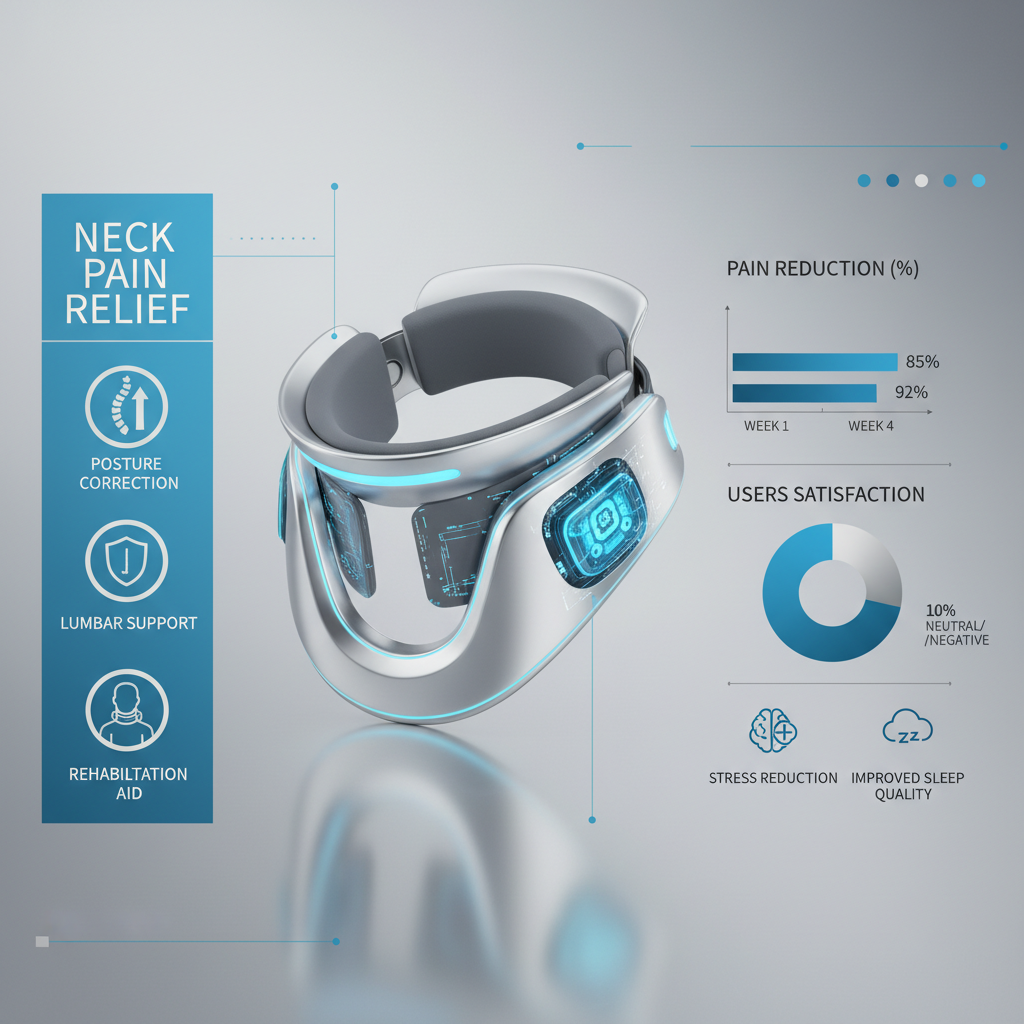
Evaluating the success of a neck support system requires a look at quantitative data regarding patient outcomes. The primary goal is the reduction of the Visual Analog Scale (VAS) for pain and the increase in the Neck Disability Index (NDI) score. When comparing different support methodologies, clinical data shows that targeted immobilization leads to a faster reduction in acute inflammatory markers.
The following analysis illustrates how different types of cervical collar for neck pain relief options perform across various critical recovery metrics, such as stability and patient comfort.
Comparative Efficacy of Neck Support Methods
Real-World Applications and Use Cases
In real-world clinical settings, the application of a cervical collar for neck pain relief varies by urgency and pathology. For instance, in post-disaster relief operations, lightweight and rapidly deployable soft collars are used to stabilize potential spinal injuries in victims before they can be transported to a surgical facility. This immediate intervention is critical in preventing permanent paralysis.
Conversely, in remote industrial zones—such as mining or heavy manufacturing—workers often suffer from chronic strain due to repetitive overhead tasks. In these cases, semi-rigid collars are utilized as a preventive measure or a part of a structured recovery plan. By integrating these supports into the workplace, organizations can reduce the incidence of chronic cervical spondylosis and improve the overall health of the labor force.
Long-Term Value and Therapeutic Advantages
The long-term value of utilizing a cervical collar for neck pain relief extends beyond mere symptom management. By reducing the mechanical load on the cervical spine, these devices prevent the acceleration of degenerative disc disease. Logically, when the vertebrae are properly aligned and supported, the surrounding soft tissues can regenerate without being subjected to repeated shear forces, leading to a more sustainable recovery.
From an emotional perspective, the relief of chronic pain restores a sense of agency and dignity to the patient. When a person is no longer distracted by the radiating pain of a pinched nerve, their mental health improves, and their engagement with social and professional activities increases. This psychological uplift is a critical, often overlooked, benefit of effective orthotic intervention.
Furthermore, the reliability of medical-grade collars fosters trust between the patient and the healthcare provider. When a product performs consistently—providing the promised stabilization without causing secondary injury—it encourages the patient to adhere to the rest of their physical therapy regimen, creating a synergistic effect that ensures a total return to function.
Innovations and Future Trends in Orthotics
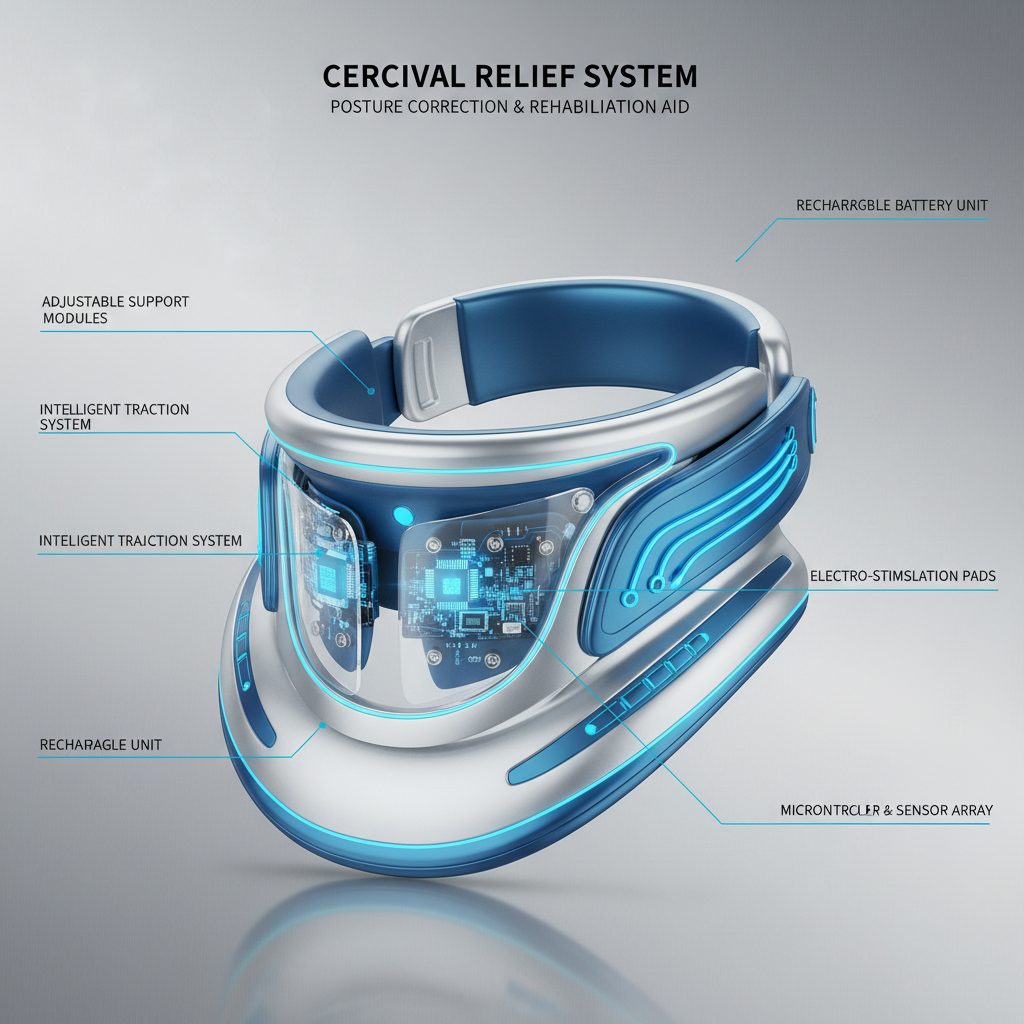
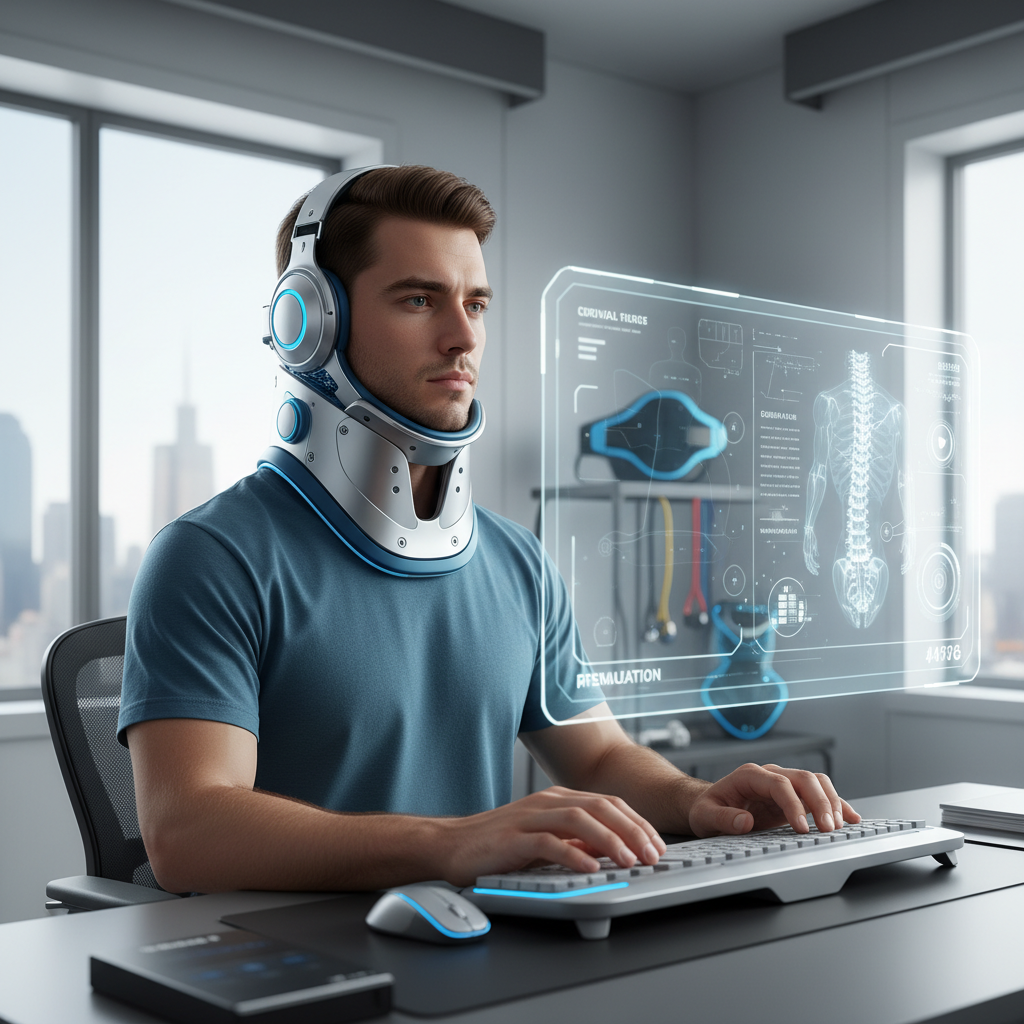
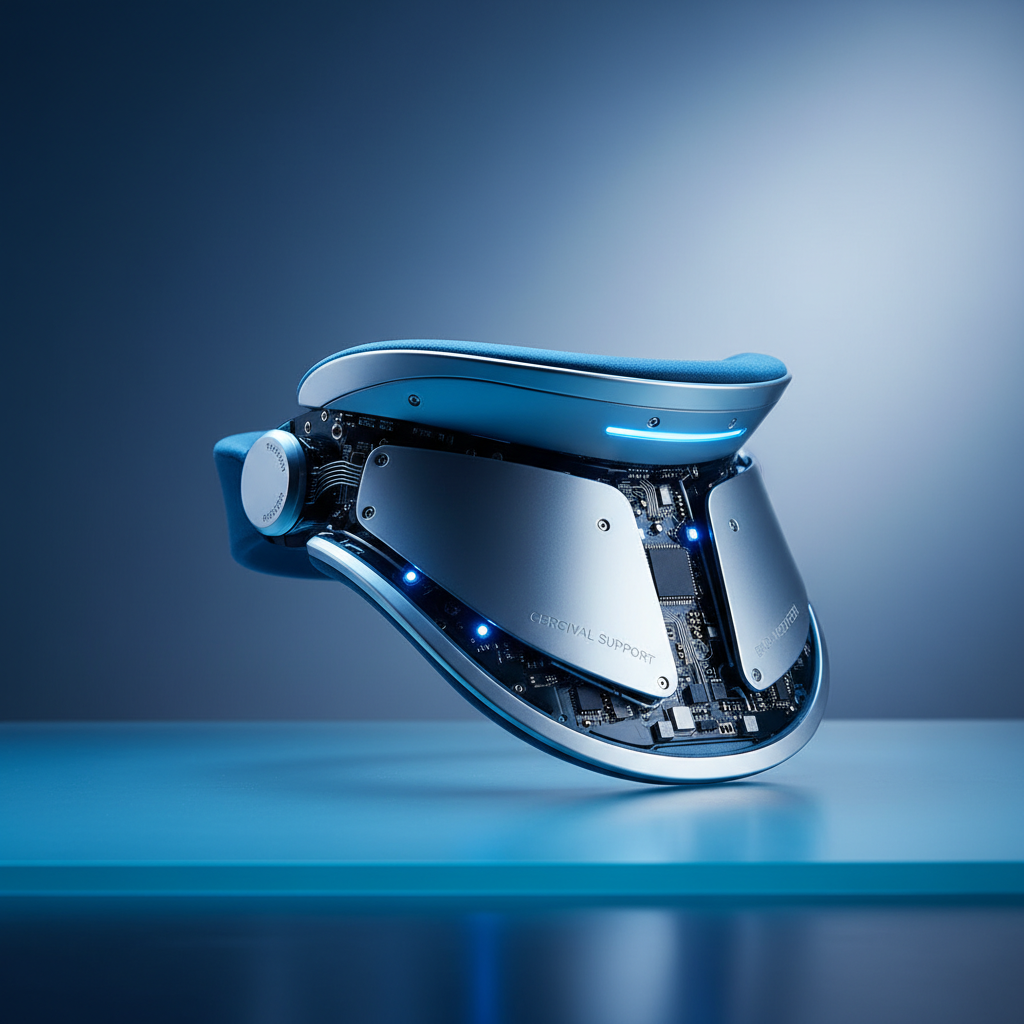
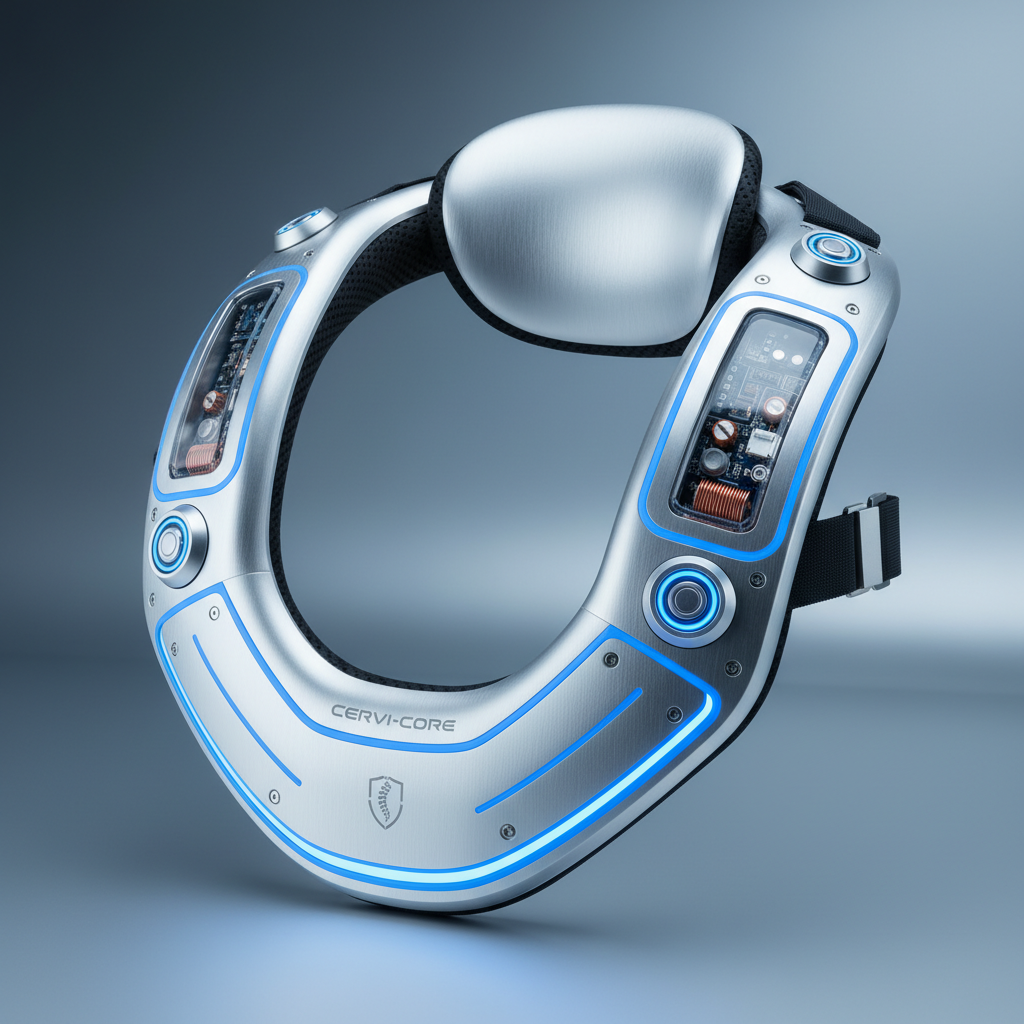
The future of cervical support is moving toward "smart orthotics." We are seeing the integration of embedded sensors that can monitor the wearer's posture in real-time, sending alerts to a smartphone when the head tilts at a dangerous angle. This digital transformation turns a passive cervical collar for neck pain relief into an active biofeedback tool, guiding the user toward better ergonomic habits.
Sustainability is also driving material innovation. The industry is shifting away from petroleum-based foams toward biodegradable, medical-grade polymers and recycled fabrics. These "green" orthotics offer the same level of stabilization while reducing the environmental footprint of disposable medical supplies, aligning the healthcare industry with global carbon-neutral goals.
Additionally, 3D printing is revolutionizing the customization process. Instead of choosing from a set of standard sizes, clinicians can now scan a patient's neck and print a perfectly contoured collar. This eliminates pressure points and maximizes the efficacy of the stabilization, representing the pinnacle of personalized medicine in the field of rehabilitation.
Comparison of Traditional vs. Innovative Cervical Support Technologies
| Technology Type |
Material Composition |
Stabilization Level |
Patient Comfort Score |
| Standard Soft Foam |
Polyurethane Foam |
Low to Moderate |
7/10 |
| Semi-Rigid Plastic |
Thermoplastic/EVA |
Moderate to High |
6/10 |
| Rigid Philadelphia |
Hard Plastic/Foam Lining |
Very High |
4/10 |
| 3D Printed Custom |
TPU/Nylon |
Precision High |
9/10 |
| Smart-Sensor Collar |
Composite/Electronics |
Adaptive |
8/10 |
| Eco-Biodegradable |
Plant-based Polymers |
Moderate |
8/10 |
FAQS
The duration depends entirely on the severity of your condition and your physician's advice. For acute sprains, it may be worn for several hours a day to provide intermittent relief. For post-surgical recovery, 24/7 wear may be required for several weeks. Overusing a collar without a taper-off period can lead to muscle atrophy, so always follow a prescribed weaning schedule to regain neck strength naturally.
Yes, an improperly fitted collar can create pressure points on the jaw or clavicle, potentially leading to skin breakdown or increased tension in the shoulders. If the collar is too tight, it may restrict blood flow or breathing; if too loose, it fails to provide the necessary stabilization. Professional fitting is highly recommended to ensure the device aligns with your anatomical contours.
Soft collars are generally better for mild pain, muscle spasms, or as a reminder to maintain good posture. Rigid collars are designed for structural instability, such as fractures or severe disc herniations. For chronic pain, a semi-rigid approach is often the "sweet spot," providing enough support to alleviate pain while allowing the limited movement necessary to prevent joint stiffness.
Most medical-grade collars have a removable fabric liner that can be hand-washed with mild soap. The structural foam or plastic should be wiped down with a damp cloth and a gentle disinfectant. Avoid using harsh chemicals or machine-drying the foam, as extreme heat can warp the material and compromise the stabilization efficacy of the device.
Prolonged, uninterrupted use of any immobilization device can lead to muscle atrophy because the muscles are no longer working to support the head. This is why orthopedists recommend combining the use of a cervical collar for neck pain relief with a physical therapy program. Gradual movement and strengthening exercises are essential to ensure a full recovery.
In many clinical cases, sleeping with a collar is mandatory to prevent accidental twisting of the neck during the night, which could exacerbate an injury. However, comfort is key; if the collar is too rigid, you may need a specialized orthopedic pillow to maintain a neutral spinal position. Consult your doctor to determine if nocturnal wear is necessary for your specific diagnosis.
Conclusion
In summary, the use of a cervical collar for neck pain relief is a scientifically backed approach to managing spinal instability and reducing inflammation. By combining anatomical support with advanced material science, these devices effectively reduce the physical and psychological burden of neck pain, allowing patients to transition from acute distress to functional recovery. The integration of durability, adjustability, and breathability remains the cornerstone of a successful orthopedic intervention.
Looking forward, the shift toward personalized 3D-printed supports and smart-monitoring technology will further refine the recovery process, making neck care more proactive than reactive. Whether you are managing a chronic condition or recovering from a sudden injury, selecting a high-quality, medical-grade support system is an investment in your long-term mobility and quality of life. To explore professional-grade orthopedic solutions tailored to your needs, visit our website: www.jhorthopedic.com