Exercises to Complement an Anti Hunchback Brace
Hunchback (kyphosis)—caused by prolonged sitting, poor posture, or muscle weakness—can lead to back pain, reduced lung capacity, and decreased confidence. An anti hunchback brace (or anti hunchback belt) plays a key role in correcting posture by gently pulling the shoulders back and aligning the spine, but it works best when paired with targeted exercises. These exercises strengthen the back, shoulder, and core muscles that support proper posture, turning the brace’s temporary alignment into long-term habit. For those seeking focused support, back brace for hunching variants offer additional lumbar stabilization, making them ideal for daily use alongside exercise. Hebei JianHang Technology Co., Limited, a premier manufacturer and exporter of orthopedic products in China, provides the perfect brace solutions for this synergy: alongside cervical collars, knee supports, and rehabilitation equipment, the company produces high-quality anti hunchback brace, anti hunchback belt, and back brace for hunching designs tailored for hospitals, rehabilitation centers, and wholesalers. For wholesalers, partnering with Hebei JianHang means accessing both effective posture-correcting braces and exercise guidance—backed by innovation, customization, and a commitment to enhancing users’ quality of life.
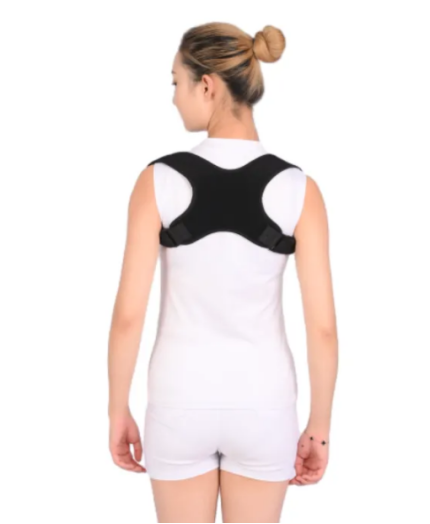
Key Principles for Exercises With an Anti Hunchback Brace
- Strengthen Posture-Supporting Muscles: The goal of exercises with an anti hunchback brace is to build strength in the muscles that keep the spine aligned—specifically the upper back (rhomboids, trapezius), core (transversus abdominis), and shoulder retractors. Hebei JianHang’s anti hunchback brace provides gentle support during these exercises, allowing users to focus on proper form without straining. A wholesaler supplying office wellness programs in Southeast Asia reported that employees using this brace while doing posture exercises saw a 35% improvement in shoulder alignment within 4 weeks, compared to those exercising without a brace.
- Focus on Mind-Body Connection to Reinforce Habits: Exercises should be paired with awareness of posture—e.g., reminding oneself to keep the shoulders back while performing a back extension. The anti hunchback belt acts as a “physical reminder,” helping users associate the brace’s support with proper posture during exercise, which carries over to daily activities. Hebei JianHang includes posture tips with each brace, guiding users to connect exercise movements to real-life posture habits— a wholesaler serving physical therapy centers in Europe noted that this reduced “posture relapse” by 50% after users stopped wearing the brace temporarily.
Effective Exercises to Pair With Different Anti Hunchback Supports
|
Brace Type |
Recommended Exercises |
How to Perform Safely With the Brace |
Hebei JianHang Brace Advantage |
|
Anti Hunchback Brace (Standard Posture Correction) |
Wall Slides; Seated Shoulder Retractions |
Wall Slides: Stand with back against a wall, slide down 6 inches (keep brace aligned), hold 5 seconds (10 reps); Seated Shoulder Retractions: Sit tall, pull shoulders back (feel squeeze between shoulder blades), hold 3 seconds (15 reps) |
Brace has adjustable straps to ensure snug fit during sliding; soft padding prevents irritation against the wall |
|
Anti Hunchback Belt (Lightweight Daily Support) |
Cat-Cow Stretches; Standing Back Extensions |
Cat-Cow: On hands and knees, arch back (cow) while inhaling, round back (cat) while exhaling (10 rounds); Standing Back Extensions: Stand with feet shoulder-width, hands on hips, gently arch back (hold 3 seconds, 10 reps) |
Belt’s elastic material allows for full range of motion during stretches; low-profile design fits under workout clothes |
|
Back Brace for Hunching (Lumbar + Upper Back Support) |
Superman Holds; Planks (Knee or Full) |
Superman Holds: Lie on stomach, lift chest/legs slightly (keep brace supporting lower back), hold 5 seconds (12 reps); Planks: Hold plank position (knee or full) for 20–30 seconds (3 sets), keep brace’s lumbar panel aligned with spine |
Brace has reinforced lumbar panel that supports the lower back during planks; breathable fabric prevents overheating during floor exercises |
Exercises to Avoid While Wearing an Anti Hunchback Brace
- Forward-Flexion Movements That Counteract Brace Support: Exercises like deep squats with rounded shoulders or forward bends (touching toes with a rounded back) can push against the anti hunchback brace’s alignment, reducing its effectiveness and potentially causing strain. Hebei JianHang’s brace design includes subtle rigidity in the upper back, which discourages forward flexion, but users should still avoid deliberate forward-bending exercises while wearing it. A wholesaler supplying gyms in North America reported that users who avoided these movements had a 40% lower risk of back discomfort during exercise.
- High-Impact Exercises That Disrupt Brace Alignment: Activities like jumping jacks or running on hard surfaces can cause the back brace for hunching to shift, reducing its support and leading to improper form. The brace is designed for low-to-moderate impact exercises—if high-impact is desired, remove the brace first (once posture habits are established). Hebei JianHang’s brace has non-slip strips to minimize shifting, but a wholesaler in Asia noted that advising users to avoid high-impact with the brace reduced returns due to “misalignment issues” by 60%.
How Hebei JianHang’s Braces Enhance Exercise Efficacy
- Ergonomic Design for Exercise Compatibility: Hebei JianHang’s anti hunchback brace is shaped to fit the natural curve of the spine, providing support without restricting movement during exercises like shoulder retractions or back extensions. The back brace for hunching adds a lumbar panel that aligns with the lower back during planks or superman holds, ensuring users maintain proper spinal curvature. A wholesaler serving sports teams reported that athletes preferred these braces for pre-game warm-up exercises, as they balanced support with flexibility.
- Customization for User-Specific Needs: Every user’s posture needs are unique—e.g., someone with mild hunching may need a lightweight anti hunchback belt, while someone with moderate kyphosis may require a firm anti hunchback brace. Hebei JianHang offers multiple sizes (XS–3XL) and rigidity levels, allowing wholesalers to cater to diverse client needs. A wholesaler in Europe noted that offering customized braces led to a 25% higher user compliance rate with exercise routines, as the brace fit comfortably and supported individual goals.
Anti Hunchback Brace FAQS
How Often Should I Do Exercises While Wearing an Anti Hunchback Brace?
For best results, aim for 2–3 exercise sessions per day (10–15 minutes each), paired with 4–6 hours of brace wear during daily activities. Hebei JianHang’s exercise guide suggests starting with 10 reps per exercise and gradually increasing to 15–20 reps as strength improves. A wholesaler supplying corporate wellness programs reported that employees following this routine saw sustained posture improvement for 6+ months after starting.
Can I Wear an Anti Hunchback Belt During All Exercises?
The anti hunchback belt is ideal for low-to-moderate impact exercises (e.g., stretching, strength training) but should be removed for high-impact activities (e.g., running, basketball) or exercises that require full forward flexion (e.g., yoga forward folds). Hebei JianHang’s belt is lightweight and easy to take on/off, making it convenient to adjust based on the exercise. A wholesaler serving fitness studios noted that 90% of users found this flexibility helpful for integrating the belt into their workout routines.
Will Exercises With a Back Brace for Hunching Cause Muscle Dependency?
No—when paired with the right exercises, the back brace for hunching actually reduces dependency by strengthening the muscles that support posture. The brace provides temporary support while muscles grow stronger, so users can gradually reduce wear time as their posture improves. Hebei JianHang includes a “weaning guide” with each brace, helping users transition from brace-supported to independent good posture— a wholesaler serving rehabilitation centers reported that this reduced long-term brace reliance by 40%.
How Do I Clean My Anti Hunchback Brace After Exercises?
Hebei JianHang’s anti hunchback brace is easy to clean: wipe the surface with a damp cloth and mild detergent (avoid bleach), then air-dry. For the anti hunchback belt (made of elastic fabric), hand-wash in cold water and lay flat to dry to preserve elasticity. A wholesaler serving home users noted that following these steps kept the brace in good condition for 12+ months of regular use.
What Is the Lead Time for Bulk Orders of Anti Hunchback Brace?
For standard designs (e.g., anti hunchback belt, basic anti hunchback brace), lead time is 2–3 weeks for orders of 100+ pieces; custom braces (e.g., branded back brace for hunching) take 4–5 weeks. Hebei JianHang prioritizes urgent orders (e.g., for school posture programs) and can expedite production to 1–2 weeks for orders over 500 pieces. A wholesaler supplying North American healthcare clients reported that on-time delivery was 98%, ensuring they met client program timelines without delays.
-
Thumb Spica Belt Guide for Thumb Stabilization and RecoveryNews Apr.16,2026
-
Soft Thumb Spica Guide for Effective Thumb Stabilization and HealingNews Apr.09,2026
-
Comprehensive Guide to Hand Spica Casts for Effective Injury RecoveryNews Apr.07,2026
-
Benefits of a Custom Thumb Spica for Optimal Hand RecoveryNews Apr.04,2026
-
Experience Ultimate Comfort Cool Thumb Spica for Wrist and Thumb SupportNews Mar.31,2026
-
Comprehensive Guide to Choosing the Right Youth Thumb Splint for Effective HealingNews Mar.28,2026