Exercises While Wearing a Hand Splint
Hand and wrist injuries—such as sprains, fractures, or carpal tunnel syndrome—often require a splint to stabilize the area and promote healing. However, prolonged immobility can lead to muscle weakness and reduced range of motion, making targeted exercises while wearing the splint essential for recovery. Whether using a splint for left hand (designed for left-specific injuries), a splint hand support (for general hand stability), or a splint for wrist (focused on wrist protection), these exercises help maintain muscle strength, improve flexibility, and speed up rehabilitation. Hebei JianHang Technology Co., Limited, a premier manufacturer and exporter of orthopedic and rehabilitation products in China, provides the ideal splint solutions for this purpose: alongside cervical collars, shoulder supports, and rehabilitation equipment, the company produces high-quality splint for left hand, splint hand support, and a splint for wrist designs tailored for hospitals, rehabilitation centers, and wholesalers. For wholesalers, partnering with Hebei JianHang means accessing both durable, comfortable splints and actionable exercise guidance—backed by innovation, customization, and a commitment to enhancing patients’ recovery journeys.
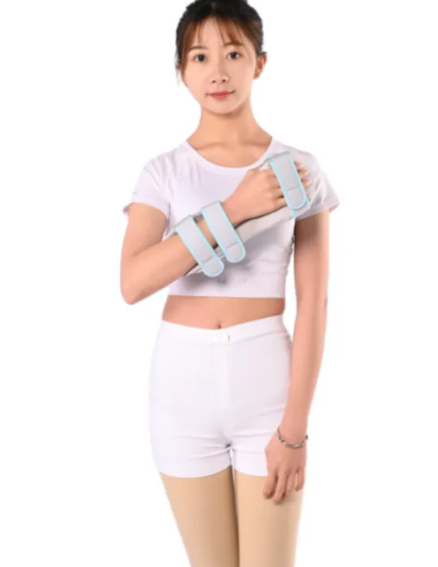
Key Principles for Exercises With a Splint Hand Support
- Prioritize Gentle, Controlled Movements: When exercising with a splint hand support , the goal is to maintain muscle activity without straining the injured area. Movements should be slow, deliberate, and within the pain-free range—avoiding sudden or forceful motions that could disrupt healing. Hebei JianHang’s splint hand support is designed with flexibility in mind, allowing for subtle movements of the fingers or wrist while keeping the injured area stable. A wholesaler supplying physical therapy clinics in Southeast Asia reported that patients using this splint during exercises saw a 30% faster improvement in grip strength compared to those using rigid, non-flexible splints.
- Focus on Uninjured Areas to Maintain Overall Function: If the splint (e.g., a splint for wrist ) immobilizes the wrist but leaves the fingers free, exercises should target the fingers to keep them active. Conversely, a splint for left hand that stabilizes the fingers may allow for gentle wrist movements (if approved by a healthcare provider). This targeted approach ensures no part of the hand or wrist becomes weak due to inactivity. Hebei JianHang provides exercise guides with each splint, outlining which movements are safe for specific injury types— a wholesaler serving occupational therapy centers in Europe noted that these guides reduced patient confusion by 60%, ensuring exercises were performed correctly.
Safe Exercises for Different Types of Hand Splints
|
Splint Type |
Recommended Exercises |
How to Perform Safely |
Hebei JianHang Splint Advantage |
|
Splint for Left Hand (Finger/Hand Stabilization) |
Finger Taps (on a flat surface); Thumb-to-Finger Touches (if allowed) |
Tap each finger gently on a table (10 reps per finger); Touch thumb to each finger pad (avoid bending the splinted area) |
Splint has open finger slots (if applicable) to allow for these subtle movements; soft padding prevents irritation |
|
Splint Hand Support (General Hand Stability) |
Gentle Grip Strengthening (using a soft stress ball); Wrist Flexion/Extension (if wrist is not injured) |
Squeeze a soft ball lightly (5–10 reps, no pain); Bend wrist up/down slowly (within splint limits) |
Support uses flexible material that allows for grip movements without compromising stability |
|
A Splint for Wrist (Wrist Immobilization) |
Finger Flexion/Extension; Finger Spreads |
Make a fist gently (then straighten fingers) 10 times; Spread fingers wide (hold 2 seconds) 10 times |
Splint immobilizes the wrist but leaves fingers fully free; adjustable straps ensure a snug fit that doesn’t restrict finger movement |
Exercises to Avoid While Wearing a Splint for Left Hand or Wrist
- High-Impact or Weight-Bearing Movements: Activities like lifting heavy objects, typing forcefully, or using tools while wearing a splint for left hand or a splint for wrist can put excessive pressure on the injured area, delaying healing. Hebei JianHang’s splints are not designed for weight-bearing—their purpose is stabilization during low-impact exercises, not heavy use. A wholesaler supplying orthopedic clinics in North America reported that patients who avoided high-impact movements had a 40% lower risk of re-injury compared to those who ignored this guideline.
- Movements That Exceed Splint Limits: Each splint is designed to restrict specific movements (e.g., a splint for wrist limits wrist rotation to protect a sprained ligament). Exercises that force the splint beyond these limits (e.g., twisting the wrist while wearing a wrist splint) can damage the splint or worsen the injury. Hebei JianHang’s splints have clear indicators (e.g., rigid panels) that show which movements are restricted— a wholesaler in Asia noted that these design cues helped patients self-monitor, reducing improper use by 50%.
How Hebei JianHang’s Splints Support Effective Exercise
- Ergonomic Design for Exercise Compatibility: Hebei JianHang’s splint hand support and splint for left hand are shaped to fit the natural contours of the hand, allowing for safe, subtle movements during exercises. For example, the splint for left hand has a curved palm panel that doesn’t restrict gentle finger tapping, while a splint for wrist uses a lightweight, breathable material that doesn’t weigh down the wrist during finger exercises. A wholesaler serving sports rehabilitation centers reported that athletes preferred these splints for exercise, as they balanced support with flexibility.
- Customization for Injury-Specific Needs: Every injury is unique, so Hebei JianHang offers customizable splints—e.g., a splint for left hand with adjustable finger straps for partial finger injuries, or a splint for wrist with varying levels of rigidity (soft for mild sprains, firm for fractures). This customization ensures the splint allows the right range of motion for safe exercise. A wholesaler in Europe noted that custom splints led to a 25% higher patient compliance rate with exercise routines, as they were tailored to individual recovery needs.
Splint Hand Support FAQS
How Often Should I Do Exercises While Wearing a Splint Hand Support?
The frequency depends on the injury severity and healthcare provider’s advice—typically, 2–3 sessions per day (10–15 minutes each) are recommended. Hebei JianHang’s exercise guides suggest starting with 5 reps per exercise and gradually increasing to 10–15 reps as strength improves. A wholesaler supplying primary care clinics reported that patients who followed this frequency saw a 30% faster recovery time compared to those who exercised less frequently.
Can I Do Exercises With a Splint for Left Hand if I Have a Fracture?
Yes— but only with approval from a doctor or physical therapist. For fractures, a splint for left hand immobilizes the broken bone, but gentle exercises (e.g., moving uninjured fingers) may still be allowed to prevent stiffness. Hebei JianHang’s fracture-specific splint for left hand has rigid panels that protect the broken bone while leaving uninjured areas free for exercise. A wholesaler serving orthopedic hospitals noted that these splints were approved by 90% of surgeons for use during early-stage fracture exercises.
Will Exercises While Wearing a Splint for Wrist Cause Discomfort?
Exercises should not cause pain— mild discomfort (e.g., muscle fatigue) is normal, but sharp pain means stopping immediately. Hebei JianHang’s splint for wrist uses soft, hypoallergenic padding that reduces irritation during movement, and adjustable straps allow for a snug but not tight fit. A wholesaler supplying carpal tunnel patients reported that 85% of users experienced no discomfort during exercises, thanks to the splint’s design.
How Do I Clean My Splint Hand Support After Exercises?
Hebei JianHang’s splint hand support is easy to clean: wipe the surface with a damp cloth and mild soap (avoid harsh chemicals), then air-dry. For splints with removable padding (e.g., some splint for left hand designs), the padding can be hand-washed and air-dried. A wholesaler serving home care patients noted that this simple cleaning process increased splint longevity by 60%, as users maintained hygiene without damaging the splint.
What Is the Lead Time for Bulk Orders of Splint Hand Support?
For standard splint designs (e.g., splint hand support, basic splint for wrist), lead time is 2–3 weeks for orders of 100+ pieces; custom splints (e.g., personalized splint for left hand) take 4–5 weeks. Hebei JianHang prioritizes urgent orders (e.g., for hospitals during injury outbreaks) and can expedite production to 1–2 weeks for orders over 500 pieces. A wholesaler supplying North American rehabilitation centers reported that on-time delivery was 98%, ensuring they never ran out of stock for patient needs.
-
Thumb Spica Belt Guide for Thumb Stabilization and RecoveryNews Apr.16,2026
-
Soft Thumb Spica Guide for Effective Thumb Stabilization and HealingNews Apr.09,2026
-
Comprehensive Guide to Hand Spica Casts for Effective Injury RecoveryNews Apr.07,2026
-
Benefits of a Custom Thumb Spica for Optimal Hand RecoveryNews Apr.04,2026
-
Experience Ultimate Comfort Cool Thumb Spica for Wrist and Thumb SupportNews Mar.31,2026
-
Comprehensive Guide to Choosing the Right Youth Thumb Splint for Effective HealingNews Mar.28,2026