0%

Table of Contents

Cervical collar use is a critical component of post-injury care, offering vital support and immobilization for the neck following trauma. From sporting accidents and vehicular collisions to falls and medical conditions, the need for effective cervical stabilization is widespread. Understanding the nuances of cervical collar application, different types available, and appropriate usage protocols is essential for healthcare professionals, first responders, and even individuals seeking to protect themselves during high-risk activities. Proper cervical collar use directly impacts patient recovery, minimizing further damage and fostering optimal healing.

The global relevance of cervical collars stems from the consistently high incidence of neck injuries worldwide. According to the World Health Organization (WHO), road traffic accidents alone cause approximately 1.3 million deaths and 50 million injuries annually, a significant proportion of which involve cervical spine trauma. Beyond trauma, conditions like cervical spondylosis and post-surgical support necessitate routine cervical collar use. The demand for these devices is continually growing, particularly in regions experiencing rapid industrialization and increased motor vehicle usage. Standardization of quality, accessibility and training on proper application are global challenges.

Ultimately, effective cervical collar use isn’t simply about applying a device; it’s a multidisciplinary approach involving accurate assessment, appropriate collar selection, consistent monitoring, and patient education. Investing in research, development, and training surrounding cervical collar use is vital for improving patient outcomes and reducing long-term disability related to neck injuries. The aim is to offer support, comfort, and security while promoting the natural healing process.

Optimizing Cervical Collar Use for Enhanced Patient Recovery and Safety

Introduction to Cervical Collar Use

Optimizing Cervical Collar Use for Enhanced Patient Recovery and Safety

Cervical collar use, at its core, is about providing external support to the cervical spine – the section of the vertebral column extending from the base of the skull to the top of the thoracic spine. This support is crucial in preventing further injury to the spinal cord and surrounding tissues. Collars achieve this by limiting movement in the neck, reducing the risk of exacerbating existing injuries or causing new ones.

The proper application of a cervical collar requires a fundamental understanding of cervical spine anatomy and biomechanics. Healthcare providers must be trained to assess injury severity, determine the appropriate type of collar, and ensure a secure and comfortable fit. This not only aids in the healing process but also minimizes patient discomfort and the risk of complications such as skin breakdown or respiratory compromise.

Defining Cervical Collar Use

Cervical collar use encompasses the application of a medical device designed to support and immobilize the neck. These collars vary in rigidity and functionality, ranging from soft foam collars providing minimal support to rigid plastic or metal constructs offering substantial stabilization. The primary goal is to restrict motion in all planes – flexion, extension, lateral bending, and rotation – to allow injured tissues to heal without further stress.

The connection to modern healthcare and emergency response is undeniable. In trauma situations, particularly following accidents, rapid cervical collar application is often the first line of defense against potentially devastating spinal cord injuries. Beyond emergency scenarios, cervical collars are integral in post-surgical recovery, managing chronic conditions like cervical spondylosis, and even providing temporary support during diagnostic procedures.

The evolving field of prehospital care has placed increased emphasis on standardized protocols for cervical collar use. This includes proper sizing, secure fastening, and continuous monitoring for any signs of complications. Accurate documentation of collar application is also critical for continuity of care as the patient transitions through different stages of treatment.

Key Factors in Cervical Collar Selection

Selecting the appropriate cervical collar hinges on several key factors. The severity of the injury is paramount – a minor whiplash may only require a soft collar, while a severe fracture demands a rigid, halo-vest type device. Patient anatomy also plays a role; proper sizing is essential to ensure effective immobilization without compromising comfort or restricting breathing.

Another critical factor is the mechanism of injury. High-energy trauma, such as a motor vehicle collision, necessitates a more robust collar than a low-energy injury like a simple fall. The presence of neurological deficits – weakness, numbness, or tingling – also influences collar selection, often warranting more aggressive stabilization measures. The clinical context, including pre-existing conditions and potential allergies, must also be considered.

Finally, the available resources and expertise influence the choice. In remote or resource-limited settings, simpler collar designs may be more practical. Conversely, in well-equipped hospitals, access to advanced imaging and specialized immobilization devices broadens the options for tailored treatment plans.

Global Applications of Cervical Collars

Cervical collars are deployed across a diverse spectrum of settings globally. In developed nations, they are standard equipment in emergency medical services, trauma centers, and orthopedic clinics. Sports medicine professionals rely heavily on cervical collars to protect athletes during contact sports like football, hockey, and motorcycle racing.

In developing countries, the application of cervical collar use often occurs in resource-constrained environments. Post-disaster relief operations, such as those following earthquakes or floods, frequently require the rapid deployment of cervical collars to stabilize victims with suspected spinal injuries. Training healthcare workers in proper application is crucial in these situations.

Furthermore, the military utilizes cervical collars in combat zones to manage trauma injuries sustained by soldiers. Remote industrial zones, where the risk of falls and accidents is elevated, also benefit from the availability of these devices. The ongoing demand highlights the global need for affordable, durable, and easily accessible cervical collars.

Cervical Collar Use Effectiveness by Type


Advantages and Long-Term Value

The advantages of appropriate cervical collar use extend beyond immediate injury stabilization. Reduced pain and discomfort contribute to improved patient well-being and facilitate early mobilization, which is critical for a full recovery. Preventing secondary spinal cord injuries minimizes the risk of long-term disability and neurological deficits.

The long-term value lies in reducing healthcare costs associated with chronic pain, surgical interventions, and rehabilitation. By providing adequate support during the initial healing phase, cervical collars can potentially prevent the need for more invasive and expensive treatments down the line. Ultimately, effective cervical collar use promotes a faster return to functional activity and an improved quality of life.

Future Trends in Cervical Collar Technology

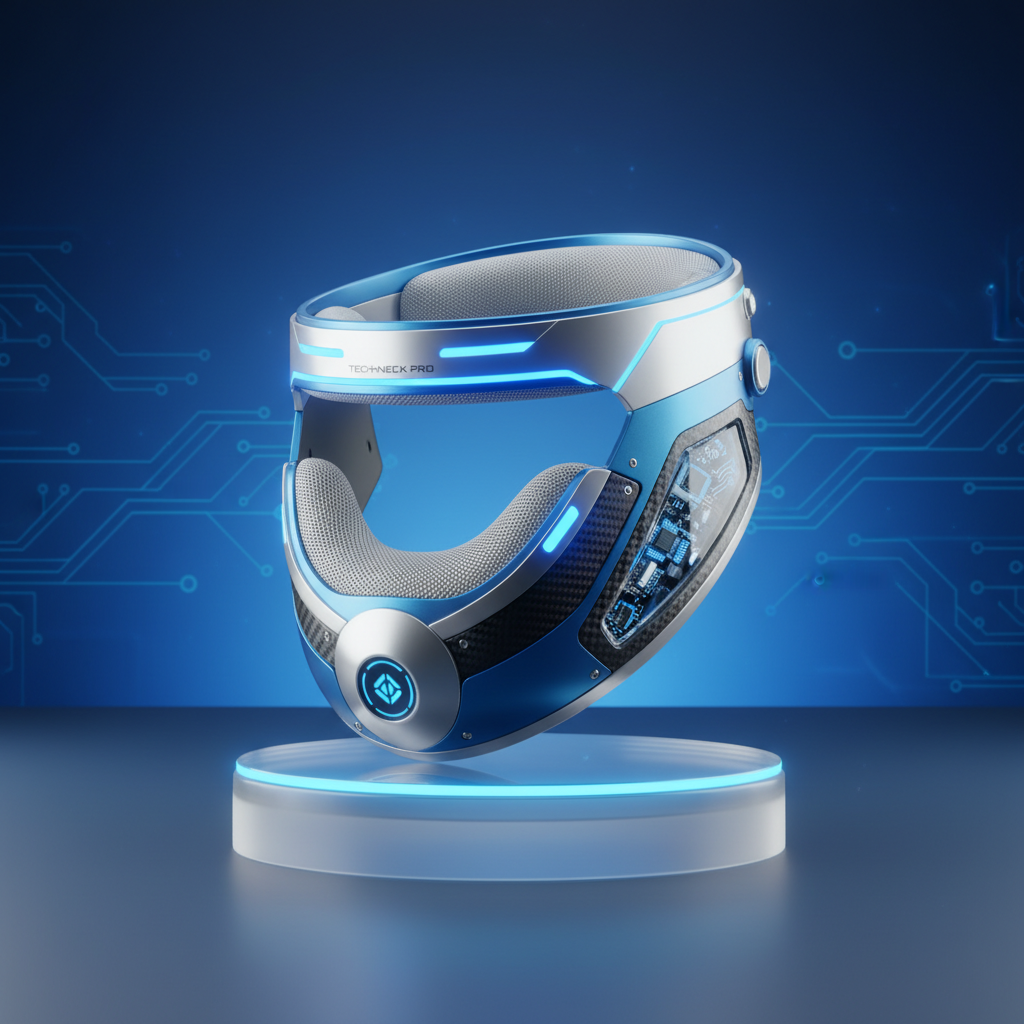
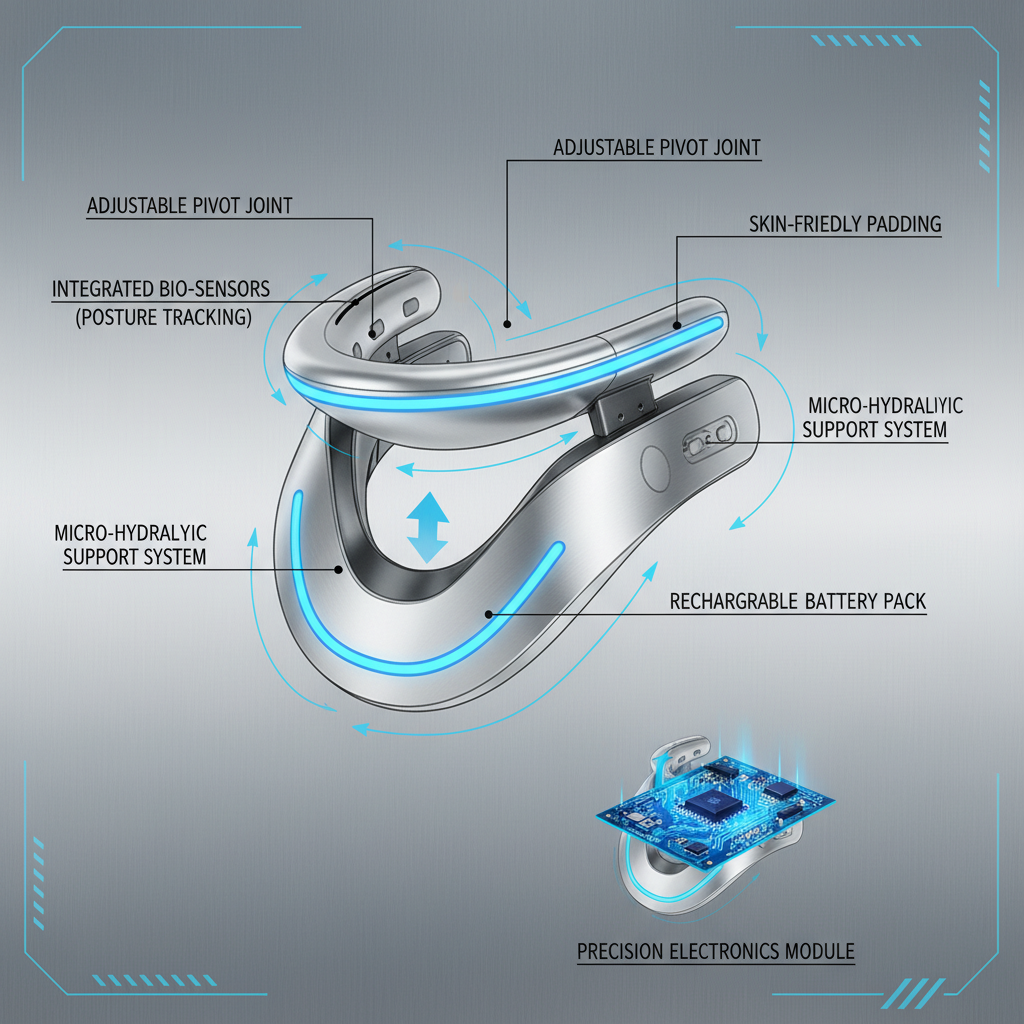
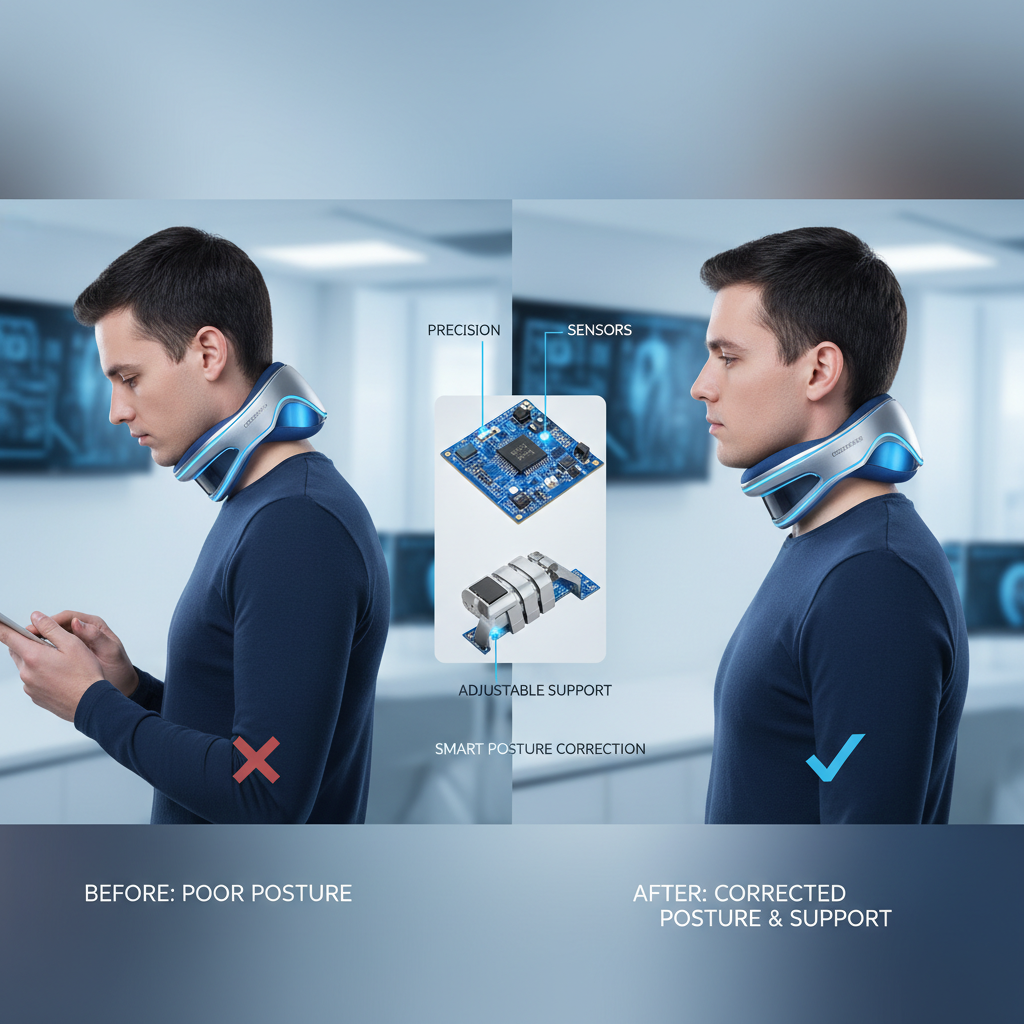
The future of cervical collar use is poised for significant innovation. Researchers are exploring the use of lightweight, biocompatible materials to enhance comfort and reduce skin irritation. Smart collars equipped with sensors to monitor pressure distribution, temperature, and patient movement are under development, allowing for real-time assessment of collar effectiveness and potential complications.

3D printing technology offers the potential to create customized collars tailored to individual patient anatomy, ensuring an optimal fit and maximizing immobilization. Integration with telehealth platforms could enable remote monitoring and adjustment of collar settings, expanding access to specialized care, especially in underserved areas.

Challenges and Solutions in Cervical Collar Use

Despite the benefits, challenges persist in cervical collar use. Incorrect application is a common issue, leading to inadequate immobilization or patient discomfort. Skin breakdown and pressure sores remain potential complications, particularly with prolonged use. Compliance can be poor, with patients removing collars prematurely or adjusting them improperly.

Solutions include enhanced training programs for healthcare professionals, emphasizing proper sizing, application techniques, and patient education. Developing more breathable and pressure-relieving collar designs can minimize skin irritation. Utilizing digital tools, such as instructional videos and mobile apps, can reinforce proper use and encourage patient adherence.

Furthermore, incorporating regular follow-up appointments with a healthcare provider allows for ongoing assessment of collar fit, skin integrity, and patient comfort.

Analysis of Factors Influencing Cervical Collar Use Effectiveness

Collar Type Application Accuracy Patient Compliance Complication Rate
Soft Collar 8/10 7/10 2/10
Rigid Collar 9/10 6/10 3/10
Philadelphia Collar 7/10 5/10 4/10
Miami J Collar 8/10 6/10 3/10
Halo Vest 9/10 4/10 5/10
Custom-Fit Collar 10/10 8/10 2/10

FAQS

What are the common signs that a cervical collar is improperly fitted?

An improperly fitted cervical collar can manifest in several ways. Common signs include difficulty breathing, excessive pressure on the chin or jaw, skin irritation or breakdown, and inadequate stabilization of the neck. Patients might report pain or numbness in their arms or hands, indicating potential nerve compression. It's crucial to reassess the fit and potentially adjust or replace the collar if any of these symptoms arise, ensuring proper instruction on how to self-check the fit as well.

How often should a cervical collar be adjusted or replaced?

Cervical collars typically require regular adjustment, particularly in the initial phase of use, as swelling subsides or the patient’s condition changes. Frequent monitoring during the first 24-48 hours is recommended. Replacement may be necessary if the collar becomes damaged, soiled, or no longer provides adequate support. Skin checks should be performed daily to identify and address any signs of irritation or pressure sores. Consultation with a healthcare professional is essential for determining the optimal adjustment and replacement schedule.

Can a cervical collar be worn during exercise or physical activity?

Wearing a cervical collar during exercise or strenuous physical activity is generally not recommended unless specifically advised by a healthcare professional. While the collar provides support, it can also restrict movement and potentially alter biomechanics, increasing the risk of injury. Modified activity levels and alternative stabilization methods may be more appropriate. Always consult a physician or physical therapist before resuming any physical activity while wearing a cervical collar.

What are the potential long-term effects of prolonged cervical collar use?

Prolonged cervical collar use can lead to several potential long-term effects, including muscle weakness, stiffness, and decreased range of motion in the neck. Skin breakdown, pressure sores, and neurological complications are also possible. To minimize these risks, it's crucial to follow a healthcare professional’s recommendations, engage in prescribed exercises to maintain muscle strength, and monitor for any adverse effects. Gradual weaning from the collar is essential to restore normal neck function.

How do I clean and maintain my cervical collar?

Cleaning and maintaining a cervical collar is crucial to prevent skin irritation and infection. Most collars can be cleaned with mild soap and water. Avoid harsh chemicals or abrasive cleaners. Allow the collar to air dry completely before reuse. Regularly inspect the collar for any signs of damage, such as cracks or tears, and replace it if necessary. Follow the manufacturer’s specific instructions for cleaning and maintenance, if available.

What is the difference between a hard and soft cervical collar, and when is each used?

Hard cervical collars offer rigid immobilization, typically used for severe injuries like fractures or dislocations, requiring substantial stabilization. Soft collars provide minimal support and are suitable for minor strains, sprains, or post-surgical discomfort. Philadelphia collars are a hybrid, offering more support than soft collars but less restriction than hard ones. The selection depends on injury severity, patient comfort, and healthcare provider assessment. A soft collar is often a starting point, progressing to a more rigid option if needed.

Conclusion

Cervical collar use remains a cornerstone of trauma care and cervical spine management. From the initial stabilization of acute injuries to the ongoing support of chronic conditions, these devices play a critical role in minimizing disability and improving patient outcomes. Understanding the principles of proper collar selection, application, and monitoring is paramount for all healthcare professionals involved in their use.

Looking ahead, continued innovation in materials, design, and integration with technology promises to enhance the effectiveness and comfort of cervical collars. Investing in research, education, and standardized protocols will be crucial in maximizing the benefits of cervical collar use and ensuring optimal care for patients with neck injuries. For more information and a wider range of orthopedic solutions, visit our website at J Horhopedic.com.

Robert Johnson

Robert Johnson

Robert Johnson serves as the Sports Medicine Account Manager for Hebei JianHang Technology. His background as a former collegiate athlete gives him a unique perspective on the demands placed on the body and the importance of preventative care. Robert specializes in working with sports teams and athletic trainers, offering customized
Previous Comprehensive Guide on How to Use Shoulder Support for Effective Recovery
Next Optimizing Wrist Support Thumb Design for Real World Performance and User Comfort
No.240 Xingying West Street,Anping County,Hebei Province,China
Have a question? Keep in touch.
Copyright © 2026 Hebei Jianhang Technology Co.,Ltd. All Rights Reserved. Sitemap | Privacy Policy | Top Blog | Global Service | Hot Products
If you are interested in our products, you can choose to leave your information here, and we will be in touch with you shortly.